
Last updated September 10, 2026
Level 1 sweep and inspection to the NFPA 211 annual standard - flue, crown, cap, and flashing checked and photographed
Chimney sweep logs do not sweep chimneys. They loosen some creosote - which then falls where a brush and vacuum still have to collect it.
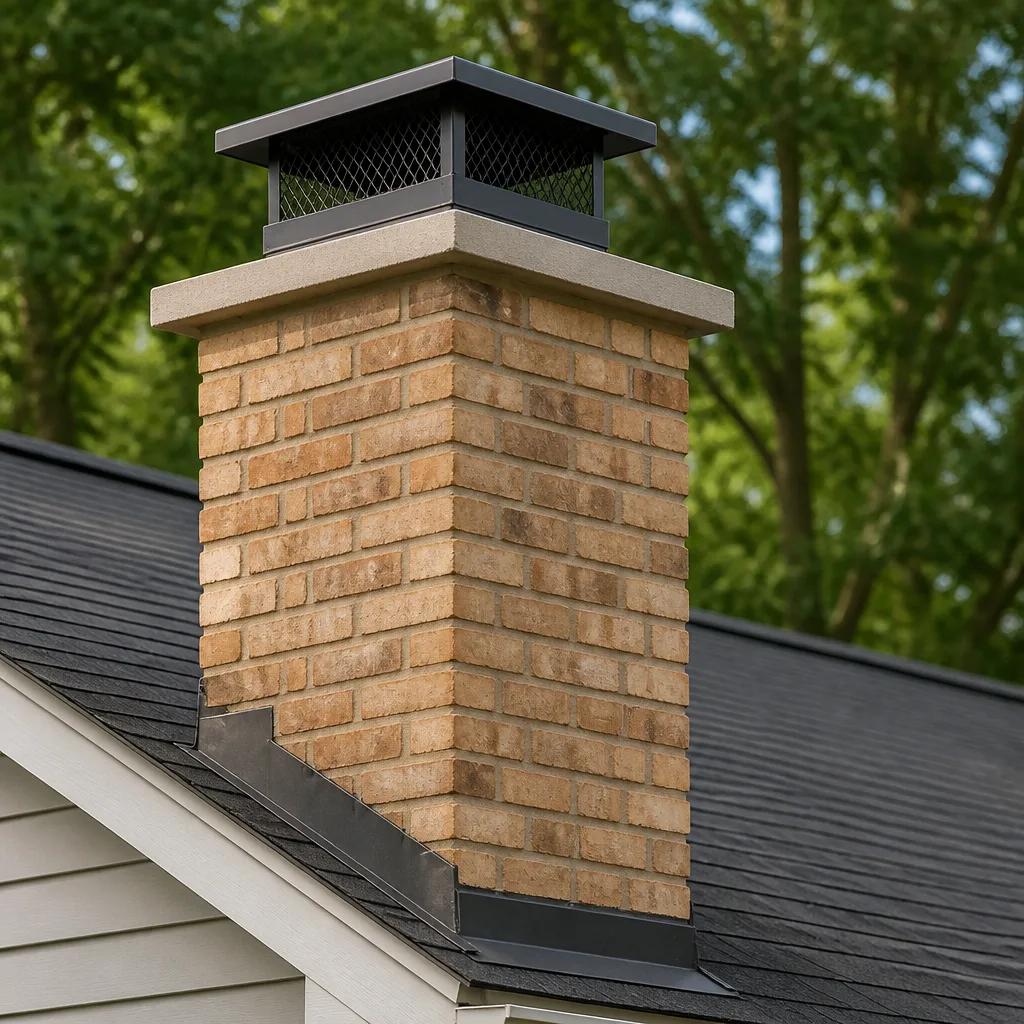
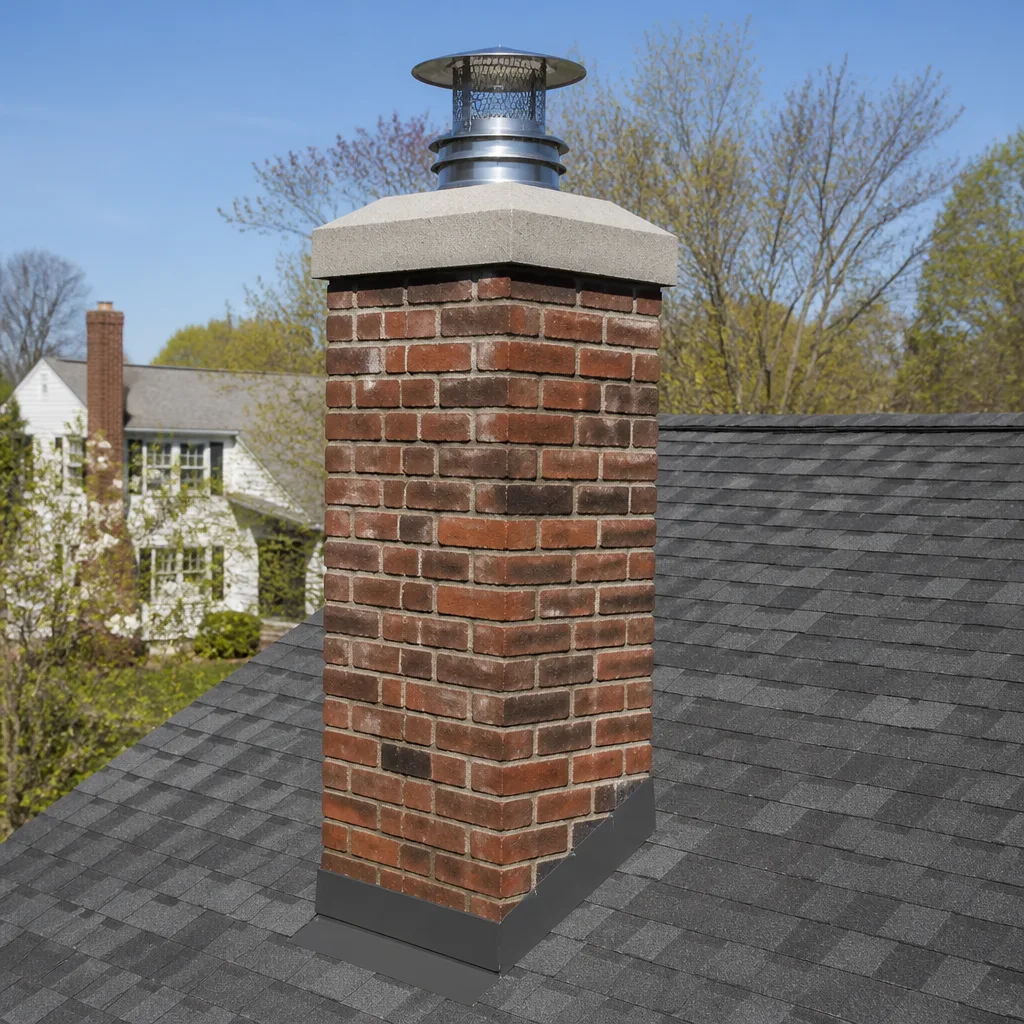
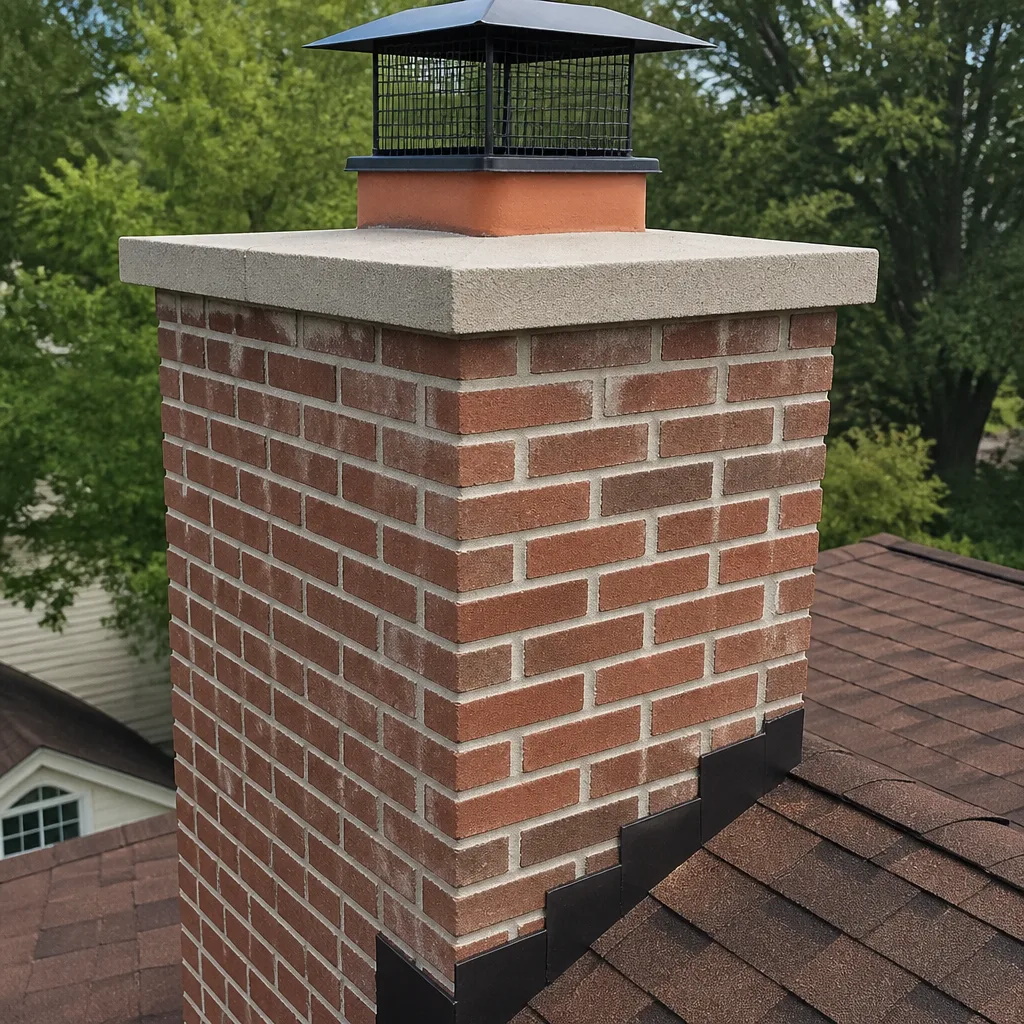
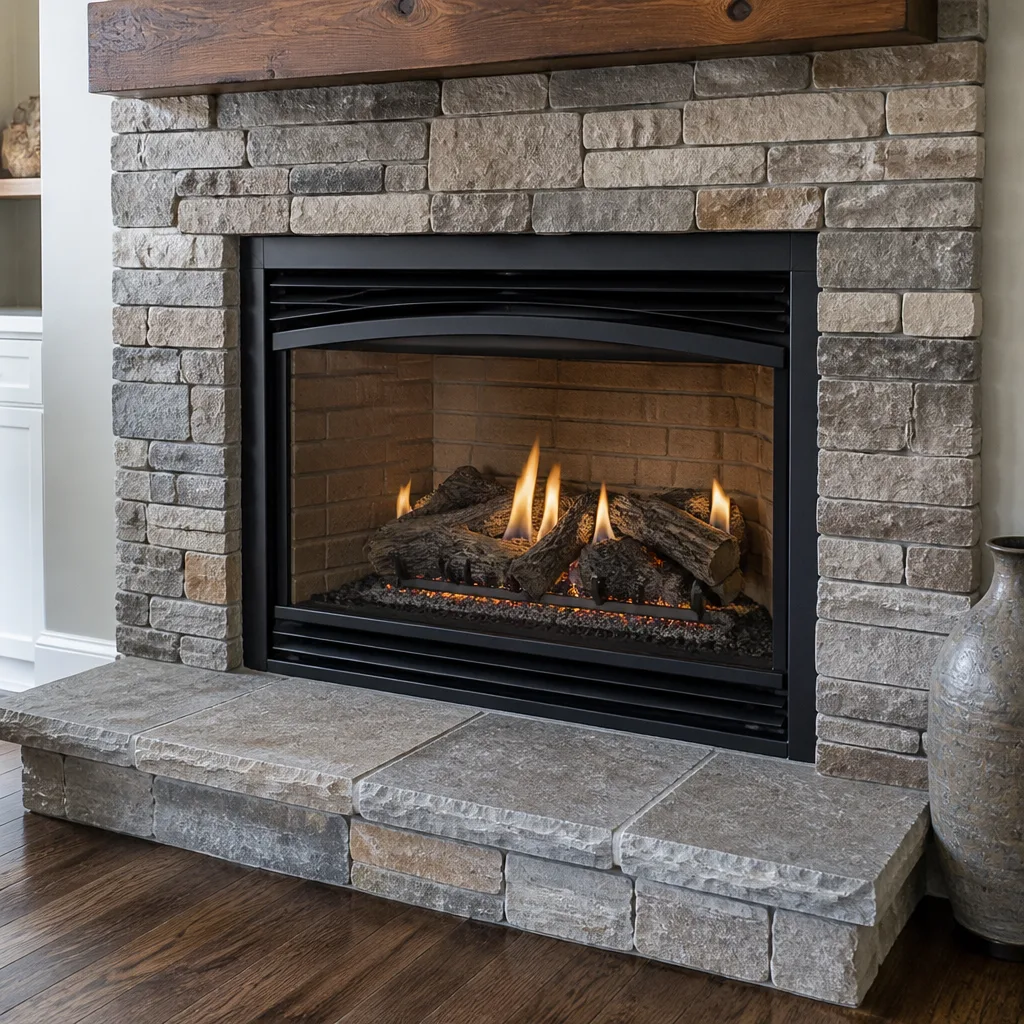
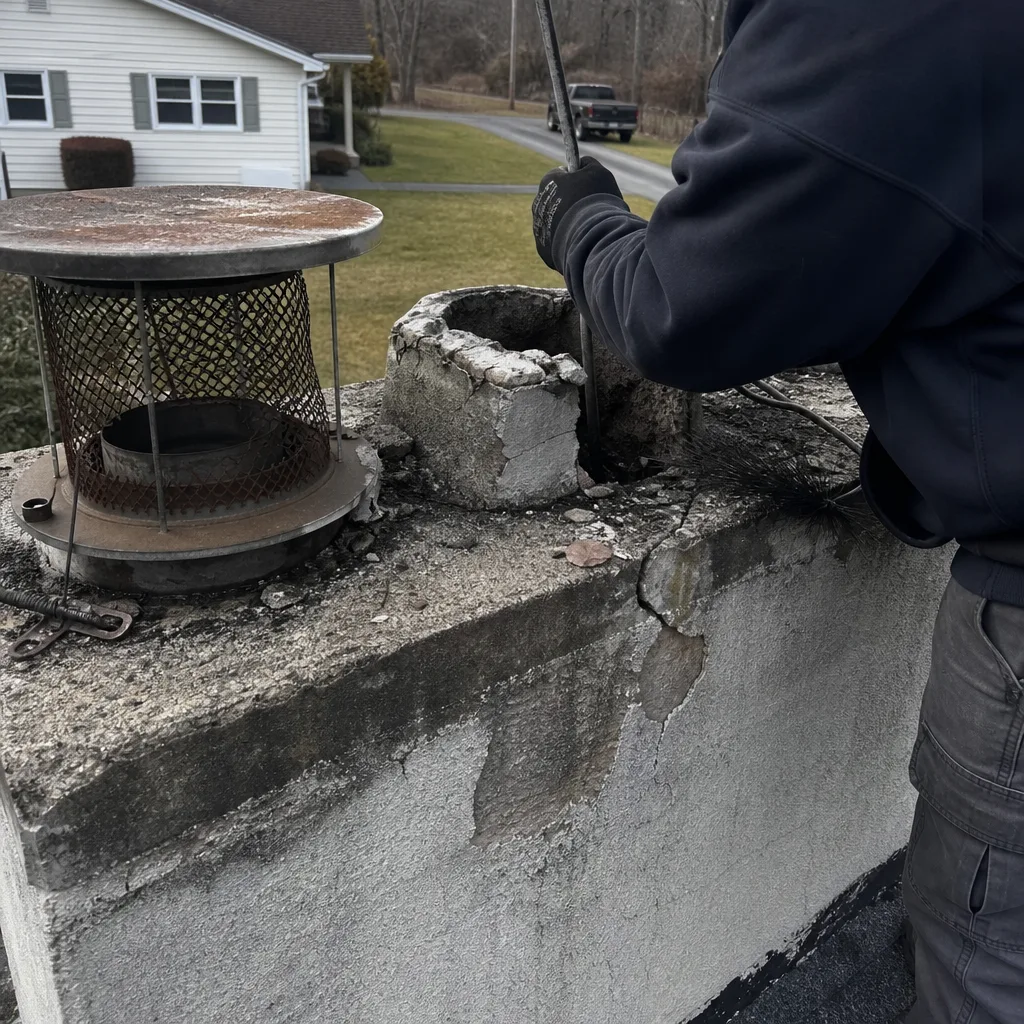 Before
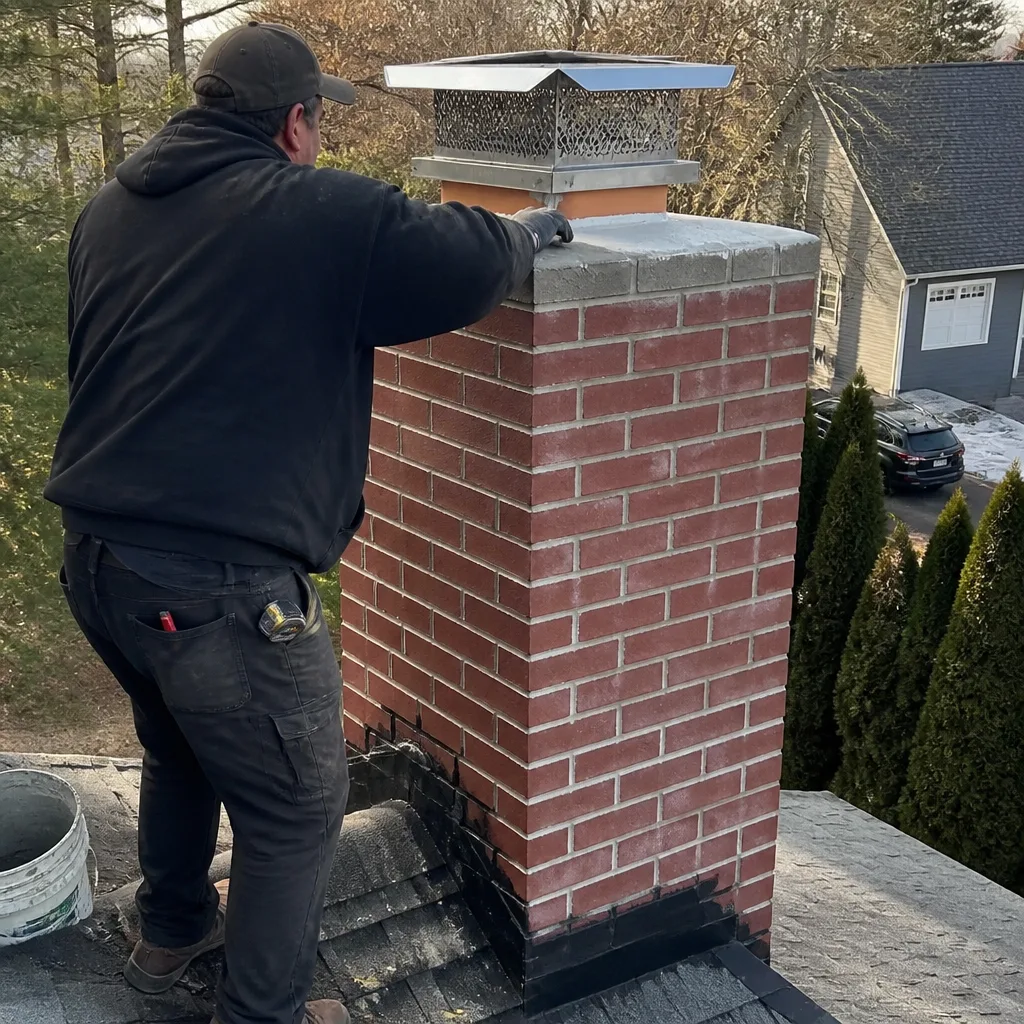 After
After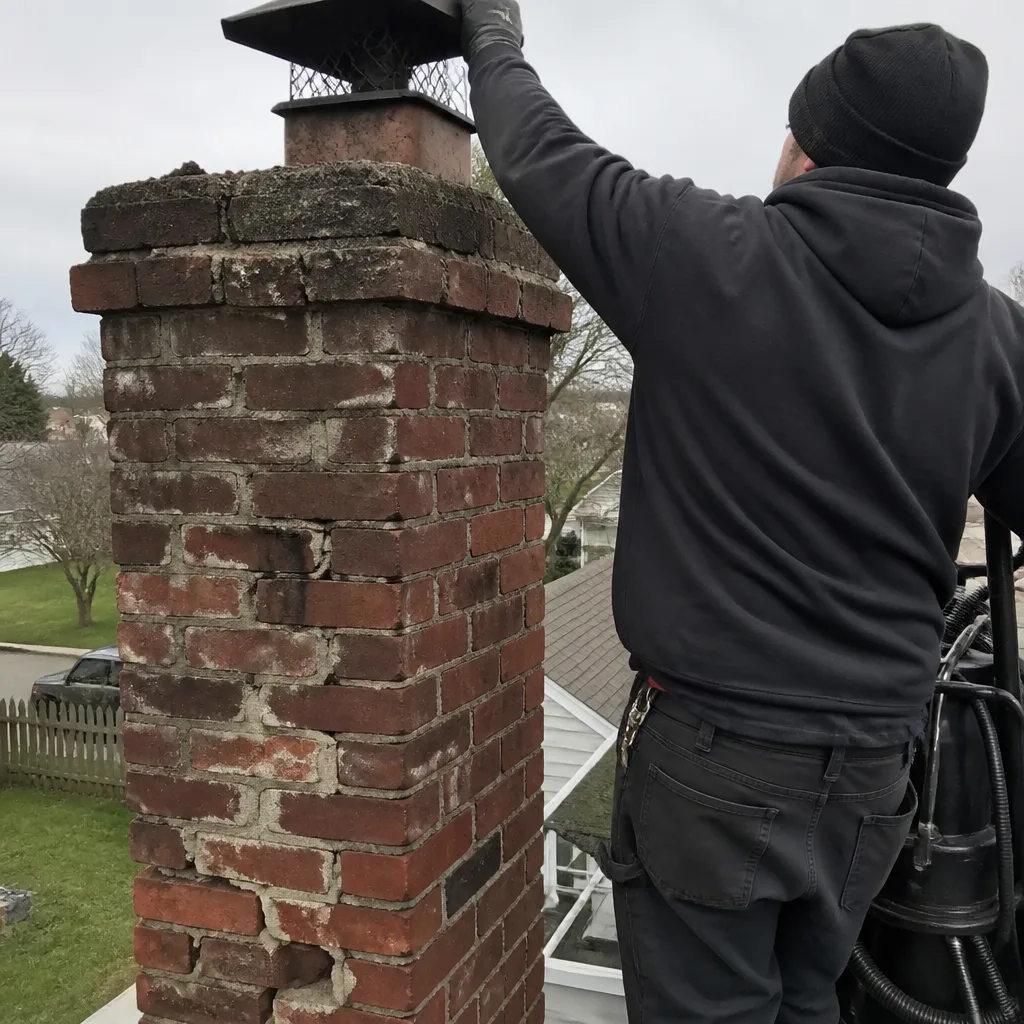 Before
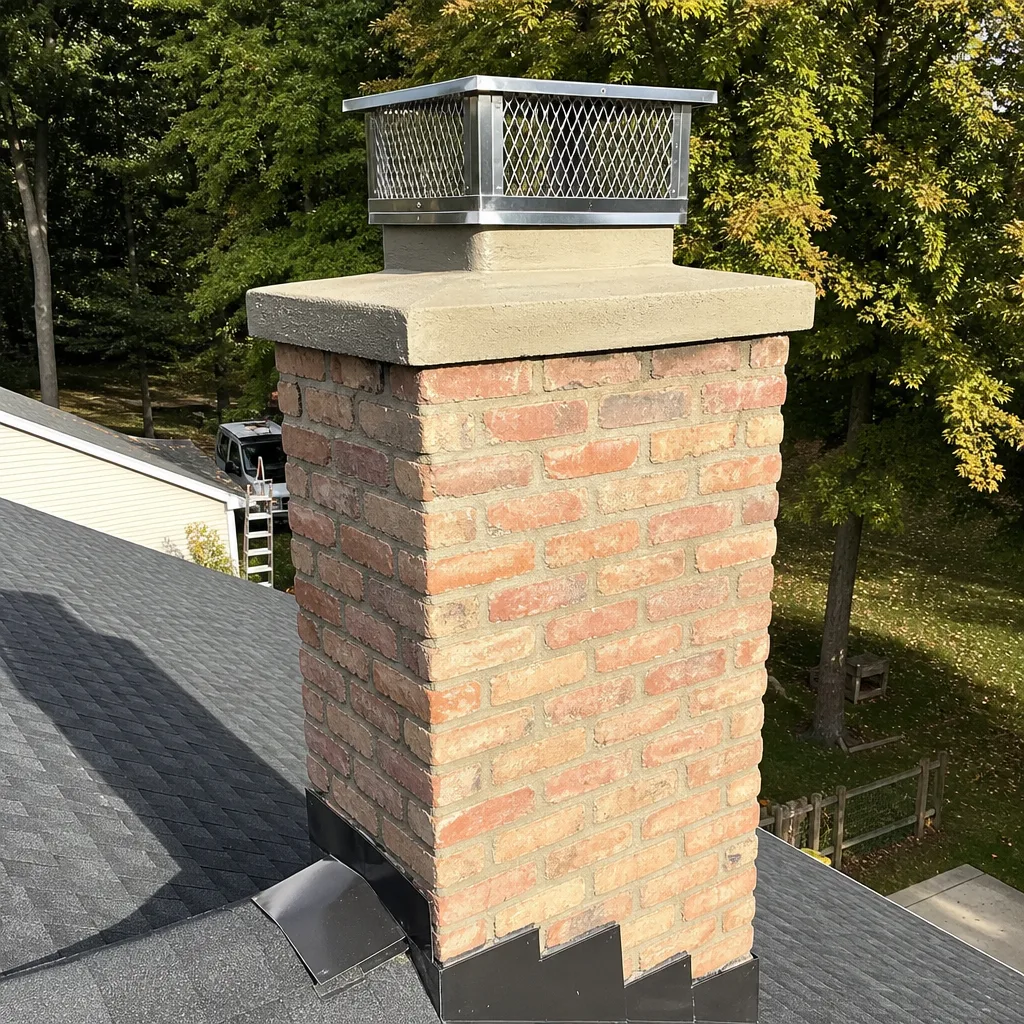 After
After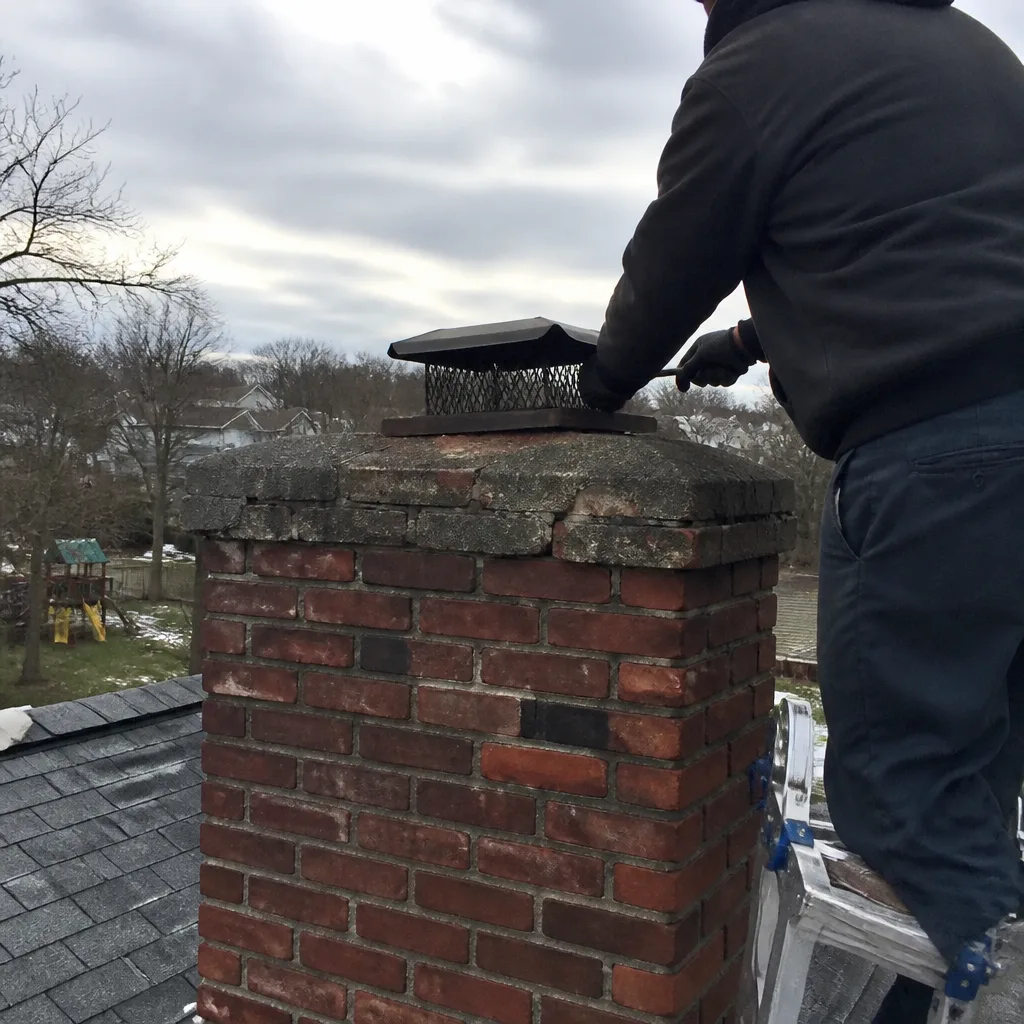 Before
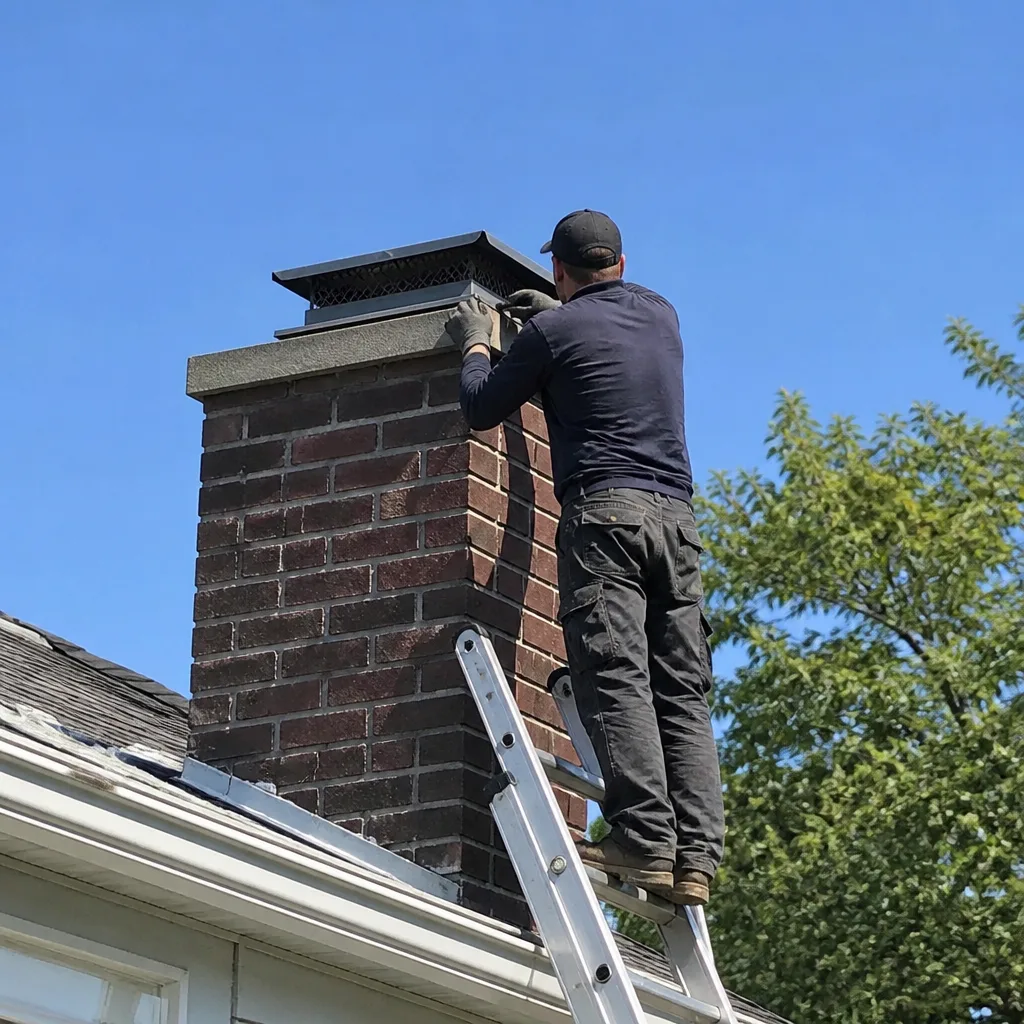 After
AfterHow to Hire a Chimney Cleaning Contractor in Easton: A Step-by-Step Guide
Pennsylvania has no state license required to operate as a chimney sweep, which means the person quoting you $79 for a “full cleaning” may have learned the job last Tuesday. In Easton, where winter temperatures regularly drop below 20 degrees and homeowners in the historic districts off College Hill and downtown still burn in original masonry fireplaces, that matters more than most people realize. This guide walks you through exactly how to vet, verify, and hire a chimney contractor who will do the work correctly and still be in business if something goes wrong six months later. For more guides & resources, visit our blog.
Quick Answer
The right chimney cleaning contractor in Easton carries CSIA or NFI certification, provides written proof of liability insurance, and documents every inspection with photos you can see. Ask for these three things before anyone schedules a visit, get every scope of work and guarantee in writing, and be wary of any quote under $150 for a complete Level-1 sweep and inspection.
Table of Contents
- Why Pennsylvania’s Unregulated Trade Makes Vetting Essential
- The Three Credentials That Actually Matter
- How to Read Online Reviews Like an Inspector
- Seven Questions to Ask Before You Book
- What Your Quote Should Actually Include
- Why Written Guarantees Beat Verbal Promises
- Red Flags That Should Stop You Cold
- Common Mistakes to Avoid
- When to Call a Professional
- Frequently Asked Questions
- The Bottom Line
Why Pennsylvania’s Unregulated Trade Makes Vetting Essential
Most homeowners in Easton assume the state checks credentials before someone can call themselves a chimney sweep. It does not. Pennsylvania requires no license, no continuing education, and no minimum insurance for this trade. Anyone with a brush and a ladder can advertise, quote, and perform work on the structure venting smoke and carbon monoxide out of your home.
This is not theoretical. We’ve responded to calls in the West Ward where a previous “sweep” knocked loose mortar into the flue and left it there, and to homes near St. Anthony’s where a $99 special missed a cracked flue liner that was dumping combustion gases into a bedroom wall cavity. The homeowners had no recourse. The operator was gone, the phone disconnected, the “company” never more than a cell number and a borrowed truck.
Easton’s housing stock compounds the risk. Homes in the historic district date to the 1800s, with multiple fireplace configurations, unlined flues, and masonry that has survived 150 freeze-thaw cycles. The chimney repair needs in these properties are genuinely complex. A technician who knows only modern factory-built systems can do real damage, or miss conditions that lead to chimney fires or carbon monoxide intrusion.
The good news: accountability is provable before anyone arrives. The following sections show you exactly what to verify, how to verify it, and what documentation to demand.
The Three Credentials That Actually Matter
Industry associations created certification programs precisely because state governments did not. Three credentials separate trained professionals from brush-and-ladder operators. Each one is independently verifiable, and you should confirm all three before scheduling.
CSIA Certified Chimney Sweep
The Chimney Safety Institute of America (CSIA) is the oldest and most widely recognized certifying body. Certification requires passing a comprehensive exam covering combustion science, building codes, inspection protocols, and safety standards. CSIA-certified sweeps must recertify every three years through continuing education or re-examination.
How to verify: Ask for the technician’s CSIA ID number. Check it at csia.org using their online verification tool. Do not accept “our company is certified” - certifications belong to individuals, and the person who answers the phone may not be the person who climbs your roof.
NFI Certification
The National Fireplace Institute certifies technicians specifically for gas, wood, and pellet hearth systems. NFI-certified professionals demonstrate expertise in installation and service of factory-built fireplaces, inserts, and stoves. This matters in Easton neighborhoods like College Hill, where many homes have been retrofitted with gas inserts in original wood-burning fireboxes.
How to verify: NFI maintains a searchable database at nficertified.org. Ask which NFI credential the technician holds - gas, wood, or pellet - and confirm it matches your system type.
Verifiable Liability Insurance
This is where many operators fail, and where homeowners take the greatest uncalculated risk. A technician without general liability insurance who falls from your roof, damages your property, or causes a fire through negligence leaves you exposed. We’ve seen $79 specials turn into homeowner’s insurance claims that took two years to resolve.
How to verify: Request a certificate of insurance (COI) naming your property address as the certificate holder. The COI should show at least $500,000 in general liability coverage, with the policy current through your service date. A legitimate contractor provides this without hesitation. Anyone who deflects, delays, or claims “we’re covered, don’t worry” is telling you something important.
At Hearthstone Chimney Co., every technician we send to Easton homes carries current CSIA certification, appropriate NFI credentials for the system type, and full liability coverage. We provide COIs on request, every time, because a square deal starts with transparency.
How to Read Online Reviews Like an Inspector
Most homeowners scan star ratings and read a few recent comments. For a trade with no state oversight, you need to read more critically. Here’s what to look for, and what to ignore.
What Positive Reviews Miss
Glowing reviews about “friendly service” or “on time” tell you the technician was personable and punctual. They tell you nothing about whether the flue was actually inspected, whether creosote was fully removed, or whether a deteriorating liner was identified and documented. Look instead for reviews that mention:
- Photos or video shown during the inspection
- Specific conditions found and explained (cracked crown, missing cap, glazed creosote)
- Written report or estimate provided before any additional work
- Follow-up after the service when questions arose
A review stating “he showed me the cracked flue on his tablet and explained my options without pressure” indicates genuine documentation and professional process. “Great guy, quick service” does not.
What Negative Reviews Reveal
Negative reviews fall into patterns. Some reveal more about the reviewer than the contractor. Others reveal genuine accountability failures. Distinguish carefully.
Price complaints after upselling: Multiple reviews describing a low advertised price that ballooned once the technician arrived suggest bait-and-switch pricing. The $79 special becomes $400 after “discovering” essential add-ons. This is a business model, not an exception.
No response to problems: Reviews stating the company never returned calls about smoke backup, water leaks, or damaged property indicate no callback policy and likely no permanent business location. Accountability requires a phone that gets answered and a process for making things right.
Damage not acknowledged: Any review describing scratched floors, damaged roofing, or broken fireplace components that the company denied or ignored should disqualify that contractor. Professionals carry insurance precisely for these situations; denial suggests they lack it.
In Easton’s tight-knit neighborhoods, word travels. We’ve earned our reputation over 42 years by fixing our rare mistakes promptly, not by disputing them. The Hearthstone Chimney Co. home page includes our full story, but our reviews consistently mention the same things: photos shown, plain explanations, and the 90-Day Done Right Promise honored without argument.
Seven Questions to Ask Before You Book
These questions separate craftsmen from price-shoppers. Ask them in this order, and note which answers you receive willingly versus reluctantly.
- “Are you CSIA or NFI certified, and can I verify your credential number?” A direct yes with immediate provision of verification details indicates professionalism. Deflection, “we have certified people on staff,” or “the owner is certified” suggests the person at your home may not be.
- “What does your inspection include, and how do you document it?” A Level-1 inspection covers readily accessible portions of the chimney exterior and interior, plus the appliance and connection. A Level-2 inspection, required for property transfers and after chimney fires or seismic events, includes camera examination of the flue interior. The answer should specify which you will receive, and how findings are recorded.
- “Will I receive photos of my chimney’s condition?” Without visual documentation, you have only the technician’s word. We provide dated, annotated photos with every Level-2 inspection and many Level-1 services. Photos you can see, a plain-English verdict - that’s the standard.
- “What is your callback policy if I have concerns after the service?” Every contractor should have one. Ours is the 90-Day Done Right Promise: if it’s not right, we make it right, backed in writing with no paperwork and no arguing. Ask specifically whether guarantees are verbal or written.
- “Are you insured, and will you provide a certificate of insurance?” The answer must be yes to both. Any hesitation is a stop sign.
- “What brands and materials do you use for repairs?” Generic “industry standard” or “top quality” answers reveal nothing. Specific brands - we use Olympia Chimney liners, Famco caps, and Copperfield professional-grade supplies - indicate sourcing from established manufacturers with warranty support, not bulk discount suppliers.
- “What is the total price, and what could change it?” No-hassle upfront pricing means the number on the estimate is the number on the invoice. If the answer includes “we won’t know until we see it” for a standard cleaning, or if the quoted price excludes common conditions, expect a higher final bill.
Contractors who answer these questions fully, without turning the conversation to urgency or discounts, demonstrate the transparency that long-term businesses are built on. Those who resist, rush, or redirect are showing you their operating model before they arrive.
What Your Quote Should Actually Include
Chimney sweeping quotes in Easton vary widely, and price alone is a poor differentiator. For a detailed look at pricing, see our Chimney Cleaning Cost Breakdown: The Easton Homeowner’s Reference for 2026. Understanding what drives legitimate cost differences helps you evaluate quotes accurately.
The Real Math on Chimney Sweeping
A legitimate Level-1 chimney sweep and inspection in the Easton market typically runs $175-$275 for a standard masonry fireplace with accessible roof access. Factors that legitimately increase cost include:
- Multiple flues (common in Center Square and College Hill homes with original construction plus later additions)
- Insert or stove removal and reinstallation for proper cleaning
- Significant creosote buildup requiring rotary cleaning rather than standard brushing
- Steep roof pitch or limited access requiring additional safety equipment
- Level-2 camera inspection added to standard sweep
The $79-$99 special cannot cover this work properly. Here’s why: a trained technician earning a living wage, with proper insurance, using professional equipment, spending 60-90 minutes on site, plus travel, scheduling, and documentation, represents a cost floor that $79 does not approach. Something gives. Usually multiple things: the sweep is rushed and incomplete, the inspection is skipped or purely visual, the technician is uninsured or uncertified, or the price doubles once the technician “discovers” necessary add-ons.
We’ve cleaned up after these specials in the Lehigh Valley for decades. In 2023, we responded to a call in Forks Township where a $89 sweep had brushed the firebox visible area, missed the flue entirely, and left the homeowner with a chimney fire hazard they believed had been addressed. The “company” was unreachable two weeks later.
What a Complete Quote Includes
A proper quote specifies:
- Exact services: sweep, Level-1 or Level-2 inspection, documentation method
- Equipment access: roof, ladder, or interior-only
- What’s included in base price and what triggers additional charges
- Payment terms and timing
- Written guarantee terms
Our Chimney Cleaning & Sweep in Easton page details our complete process and current seasonal pricing. We publish this because homeowners deserve to understand what they’re paying for before anyone knocks on the door.
Why Written Guarantees Beat Verbal Promises
Verbal promises evaporate. Written guarantees, properly structured, create accountability you can enforce. Here’s what to look for, and what to walk away from.
Elements of a Meaningless Guarantee
“Satisfaction guaranteed” with no specifics. “We’ll make it right” with no timeframe. “Licensed and insured” with no license number or COI provided. These phrases cost nothing to utter and provide no protection. They’re marketing language, not contractual terms.
Elements of a Guarantee That Protects You
A meaningful guarantee specifies:
- Scope: Exactly what work is covered (sweeping quality, installation workmanship, material defects)
- Duration: Specific timeframe - 30 days, 90 days, one year, lifetime
- Process: How to invoke the guarantee (phone call, written notice, inspection visit)
- Remedy: What the company will do (return to correct, refund, or other specific action)
- Exclusions: What is not covered (damage from subsequent events, pre-existing conditions not in scope)
Our 90-Day Done Right Promise covers all workmanship for 90 days from service completion. If creosote remains, a cap leaks, or a repair fails, we return and correct it. No paperwork to file, no argument about whether it’s “our fault.” In writing, no arguing. Governed by our K.E.Y.S. values: Krafted right, Every time, Your home first, Standing behind it.
We’ve honored this promise hundreds of times over 42 years. Not because we make frequent mistakes, but because standing behind your work is how you stay in business for 42 years. A contractor who won’t put guarantee terms in writing is telling you they don’t plan to be around when problems surface.
Red Flags That Should Stop You Cold
Some warning signs are obvious. Others are subtle. All should end the conversation.
- Pressure to schedule immediately. “We have a crew in Easton today” or “this price expires at 5 PM” indicates a sales operation, not a service business. Legitimate contractors book based on availability, not manufactured urgency.
- No physical address or local phone number. A cell number and a website with stock photos may indicate a transient operator or lead-generation service dispatching whoever is available. Verify the business has a permanent presence in the Lehigh Valley.
- Cash-only or payment to individual rather than company. This bypasses sales tax documentation, insurance verification, and any recourse if work fails. Professional operations accept standard payment methods with proper documentation.
- Refusal to provide COI or certification verification. Any reason given - “we’re between policies,” “the owner has the certificate,” “you can trust us” - is unacceptable. These documents exist precisely to be shown.
- Quote by phone without seeing the chimney. While ballpark ranges are possible, a firm quote for complex work without visual inspection suggests either intentional lowballing or indifference to actual conditions. Easton’s varied housing stock - from 19th-century masonry to 1980s prefab units - requires eyes-on assessment.
- No written scope or estimate. Verbal agreements leave no record of what was promised. Demand written documentation before work begins.
- Demands full payment before work completion. Standard practice is payment upon satisfactory completion, or partial deposit for large projects with defined milestones. Full prepayment for routine service is abnormal and risky.
Common Mistakes to Avoid
- Hiring based on lowest price alone. In Easton’s unregulated market, the cheapest quote often reflects the most corners cut. We’ve rebuilt flues in Palmer Township where budget sweeps missed deterioration until water damage forced major repairs. The “savings” cost ten times more.
- Assuming all sweeps perform the same service. “Chimney sweep” has no legal definition. One operator brushes visible soot for 20 minutes. Another performs full NFPA 211-compliant inspection with documentation. The names are identical; the services are not.
- Neglecting to verify credentials independently. CSIA and NFI databases are public. Spending five minutes verifying a claimed certification prevents hiring an uncertified operator. We’ve encountered technicians claiming CSIA certification whose names produced no database match.
- Accepting verbal estimates for repair work. Easton’s freeze-thaw climate accelerates masonry deterioration. A verbal $800 estimate for crown repair can become $2,400 once “unforeseen” conditions appear. Written scopes with defined limits protect both parties.
- Ignoring the specific needs of your fuel type. Gas fireplaces require different expertise than wood-burning systems. A sweep experienced only with wood may miss gas valve issues, improper venting, or combustion air problems. Verify the technician’s training matches your system.
- Failing to ask about callback procedures. When smoke fills your living room three weeks after service, will someone answer the phone? Our 24/7 live answer means a real person picks up, every hour, every day. Many competitors route to voicemail or callback queues during off-hours.
- Not checking review dates and patterns. A burst of five-star reviews within a two-week period, all with similar phrasing, suggests purchased or solicited feedback. Genuine reviews accumulate over years with varied detail and occasional criticism.
When to Call a Professional
Certain conditions require immediate professional assessment, not scheduled maintenance. Call a certified chimney contractor promptly if you notice smoke entering your living space, visible cracks in exterior masonry, water staining on walls or ceilings near the chimney, a strong odor of creosote or smoke when the fireplace is not in use, or debris falling into the firebox. These symptoms indicate active hazards - chimney fires, carbon monoxide leaks, or structural failure - that routine sweeping will not address.
Easton’s position in the Lehigh Valley exposes chimneys to accelerated weathering: freeze-thaw cycles from November through March, wind-driven rain from the northeast, and humid summers that keep masonry damp. These conditions mean local chimneys deteriorate faster than those in drier, more stable climates. For a complete maintenance calendar, see our Seasonal Chimney Cleaning Care for Easton: Year-Round Homeowner’s Guide. Annual inspection is the minimum; visible symptoms demand faster response.
Hearthstone Chimney Co. offers free estimates in Easton. Call (610) 756-1504 to speak with a live person, or explore our Fireplace Services in Easton for complete hearth system care.
Frequently Asked Questions
A professional Level-1 chimney sweep and inspection in Easton typically costs $175-$275 for a standard single-flue masonry fireplace, with Level-2 camera inspections adding $100-$200 depending on access complexity. Quotes below $150 usually indicate incomplete service, uninsured operators, or bait-and-switch pricing that increases at the door. Call (610) 756-1504 for an exact quote - estimates are free.
You need a new liner when the existing one is damaged, improperly sized, or absent, as confirmed by camera inspection with photos you can see. In Easton’s older homes, especially pre-1940s construction in the historic district, unlined or deteriorated clay tile flues are common and create genuine fire and carbon monoxide hazards. We never recommend liner replacement without documented camera evidence and a plain-English explanation of why waiting is unsafe.
The National Fire Protection Association recommends annual inspection for all chimneys, with sweeping frequency depending on use: wood-burning systems typically need sweeping after every cord of wood burned, or annually whichever comes first; gas systems require annual inspection though less frequent cleaning. Easton’s hardwood availability means many homeowners burn oak and maple, which produce significant creosote - annual sweeping is the practical minimum for active wood burners.
Skipped maintenance leads to creosote accumulation that fuels chimney fires, mortar deterioration that allows carbon monoxide intrusion, and moisture damage that compromises structural integrity. In Easton’s climate, water infiltration through cracked crowns or missing caps accelerates freeze-thaw damage, turning minor repairs into rebuilds. The cost of prevention is always lower than the cost of remediation - and the safety difference is not measurable in dollars.
Pennsylvania requires no state license, no minimum insurance, and no training for chimney sweep operations. For details on local requirements, see our guide to Chimney Cleaning Permits, Codes & Inspections in PA: What You Need to Know. This makes individual verification essential. CSIA certification, NFI credentials, and verifiable liability insurance are the only reliable quality indicators - and they are entirely voluntary. The homeowner must ask and confirm; no state agency has checked before the truck arrives.
Ask for a physical address and verify it exists. Check how long they’ve operated under the same business name - our 42 years in the Lehigh Valley is documented through state business records, local permits, and continuous phone listings. Ask neighbors, particularly in established Easton neighborhoods like College Hill or the West Ward, where word-of-mouth reputation accumulates over decades. Transient operators typically have no local history and disappear after complaints accumulate.
The Bottom Line
Hiring a chimney contractor in Easton requires active verification because the state provides none. Confirm CSIA or NFI certification directly with the issuing body. Demand a certificate of insurance naming your property. Insist on written scopes, written estimates, and written guarantees with specific terms. Read reviews for technical detail and accountability patterns, not personality and punctuality. And recognize that legitimate service has a cost floor - prices below it signal shortcuts you’ll pay for later.
The right contractor proves themselves before they arrive: documented credentials, transparent process, and a guarantee they’ll still be there if something needs attention. Done right - and we stand behind it. That’s the standard we’ve kept for over 42 years, and it’s the standard every Easton homeowner should demand.
Written by Russell Haines, Owner at Hearthstone Chimney Co., serving Easton since 2014.