
Last updated September 10, 2026
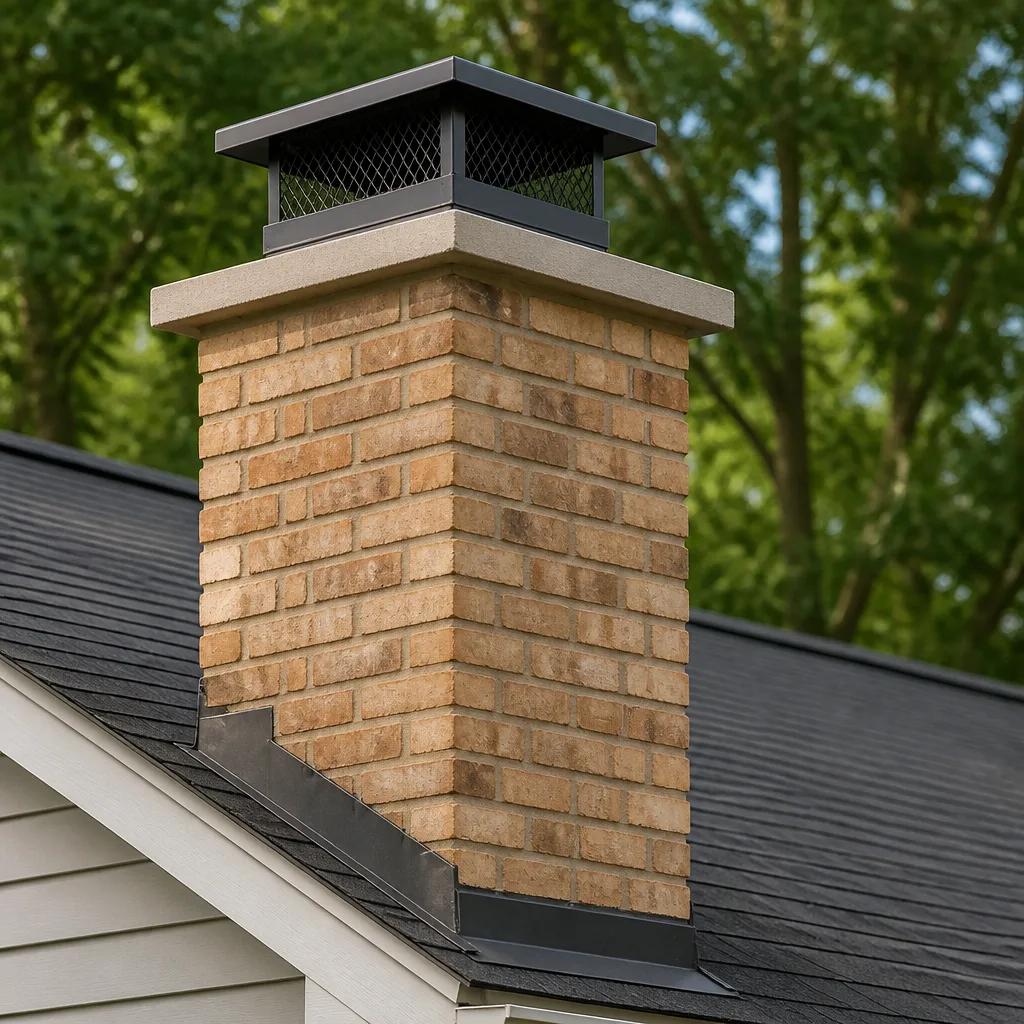
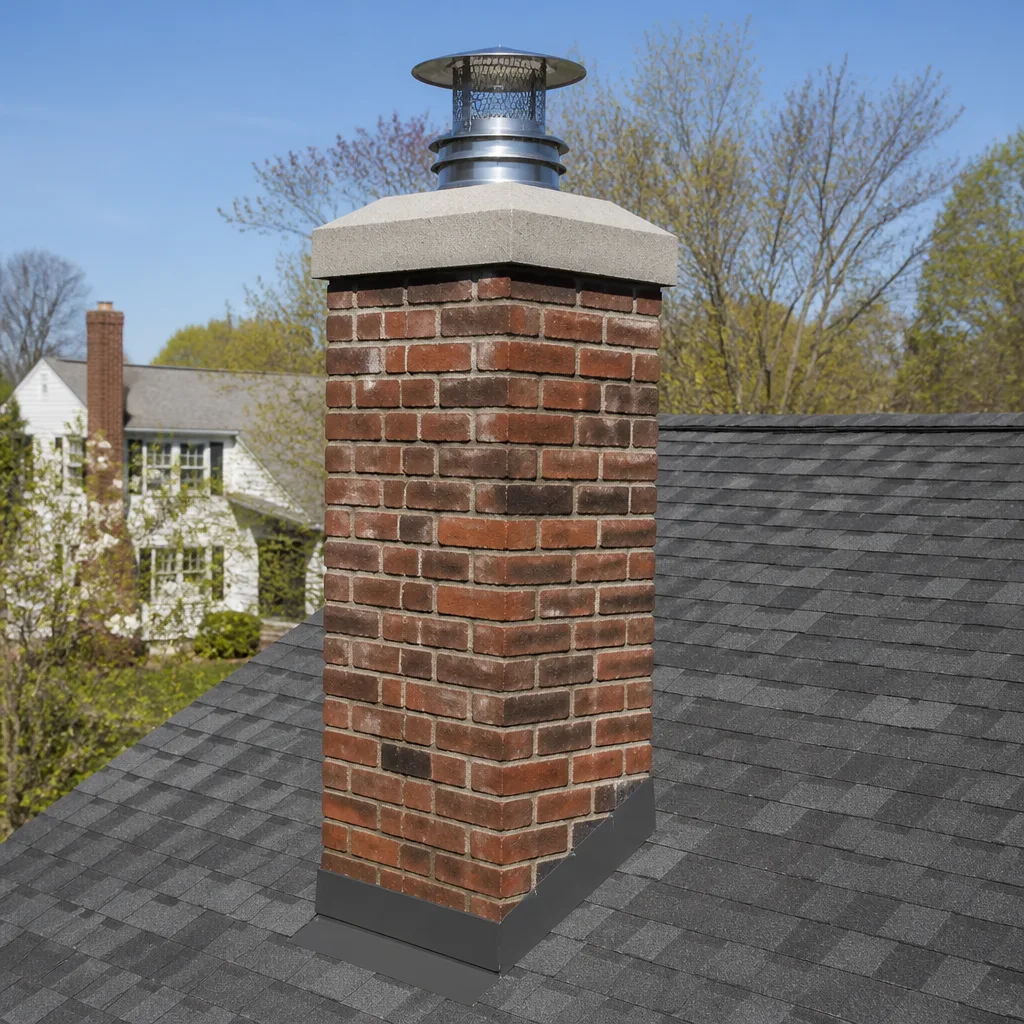
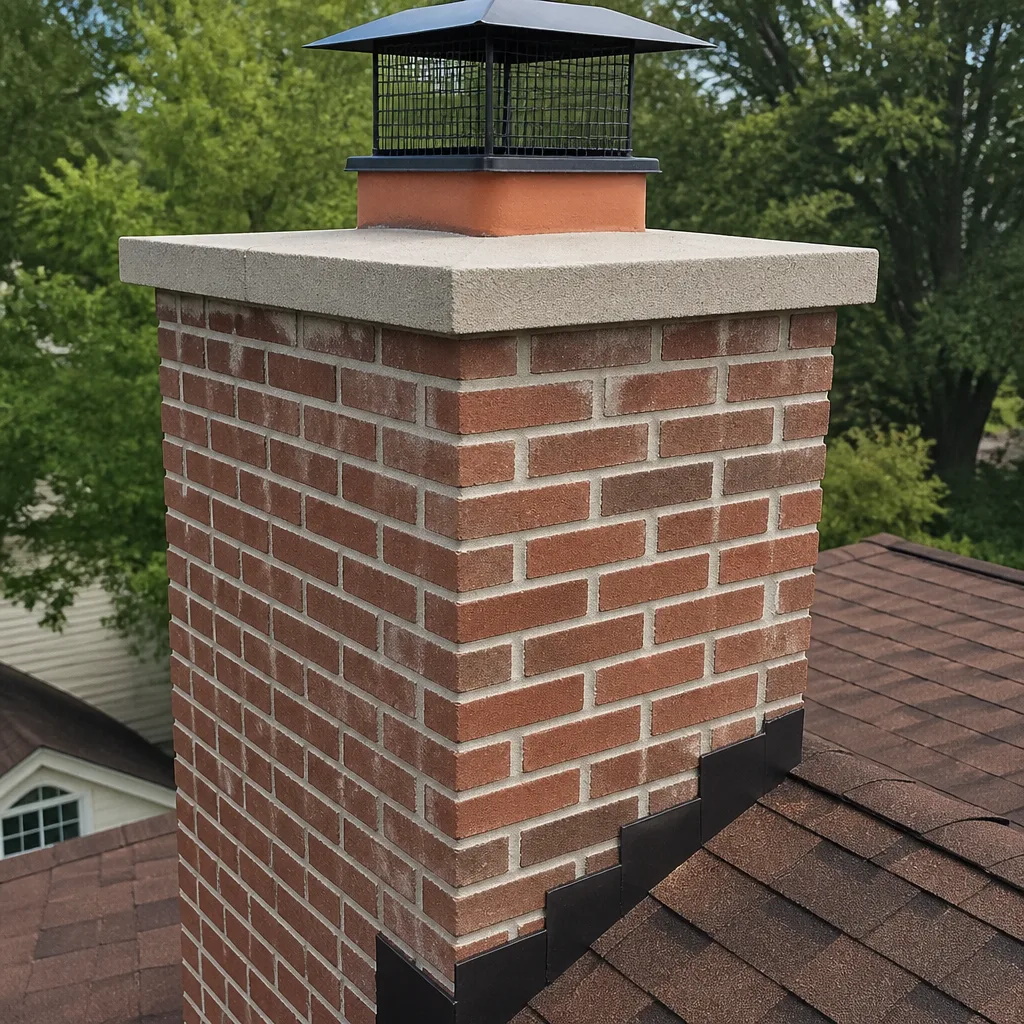
Level 1 sweep and inspection to the NFPA 211 annual standard - flue, crown, cap, and flashing checked and photographed
Chimney sweep logs do not sweep chimneys. They loosen some creosote - which then falls where a brush and vacuum still have to collect it.
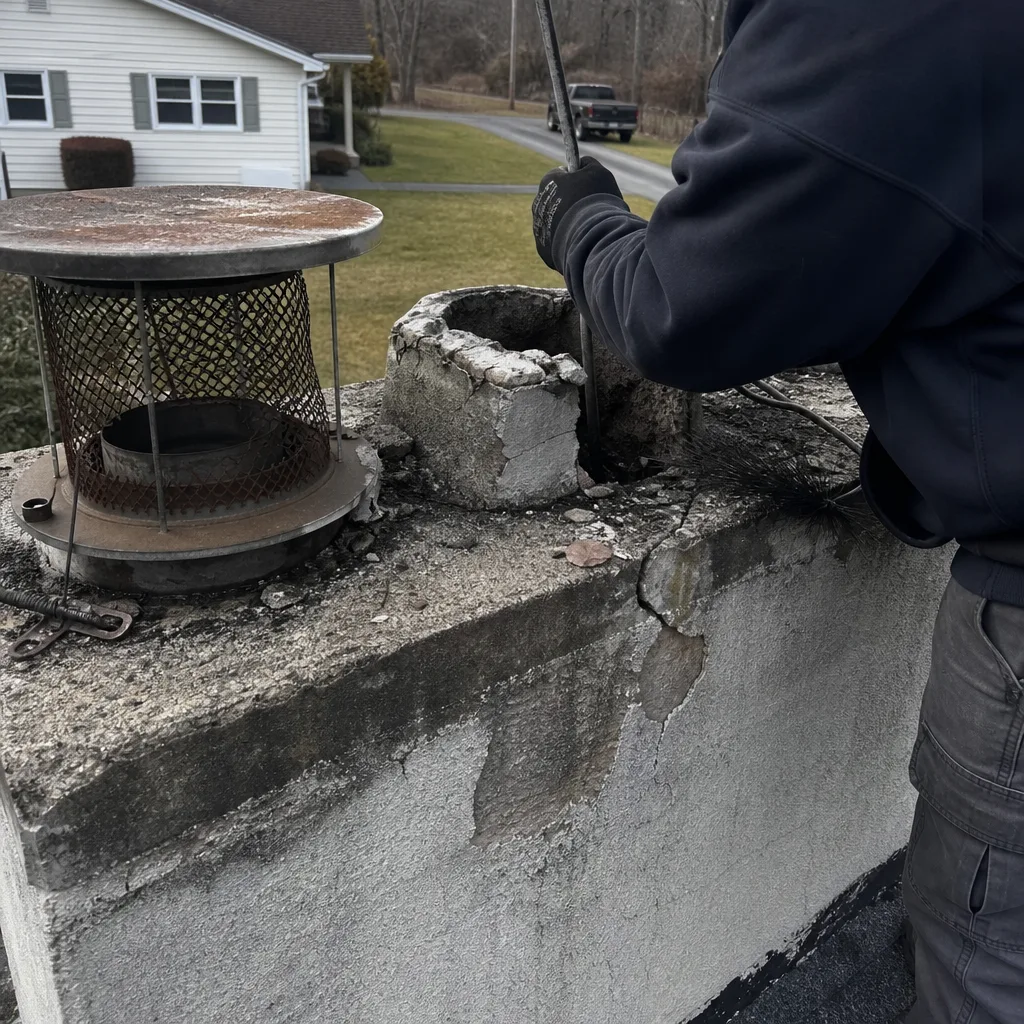 Before
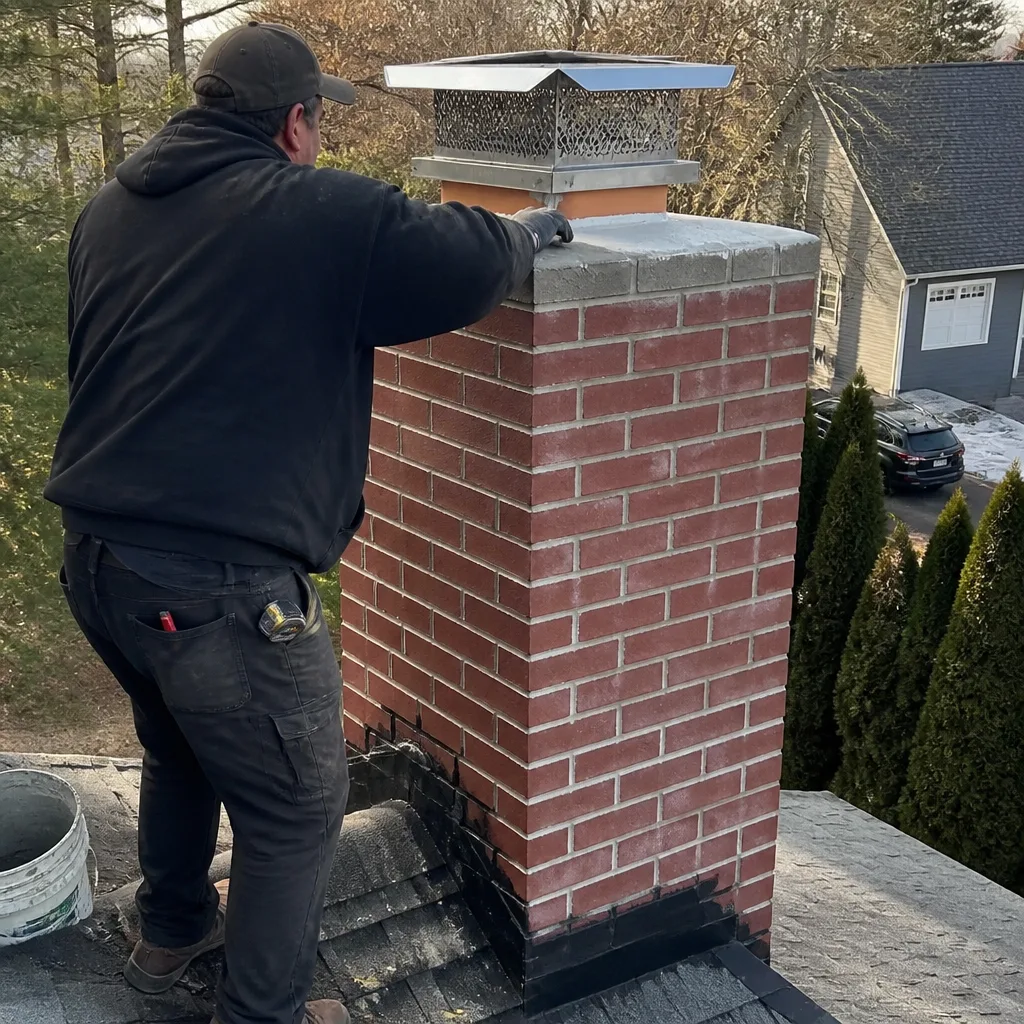 After
After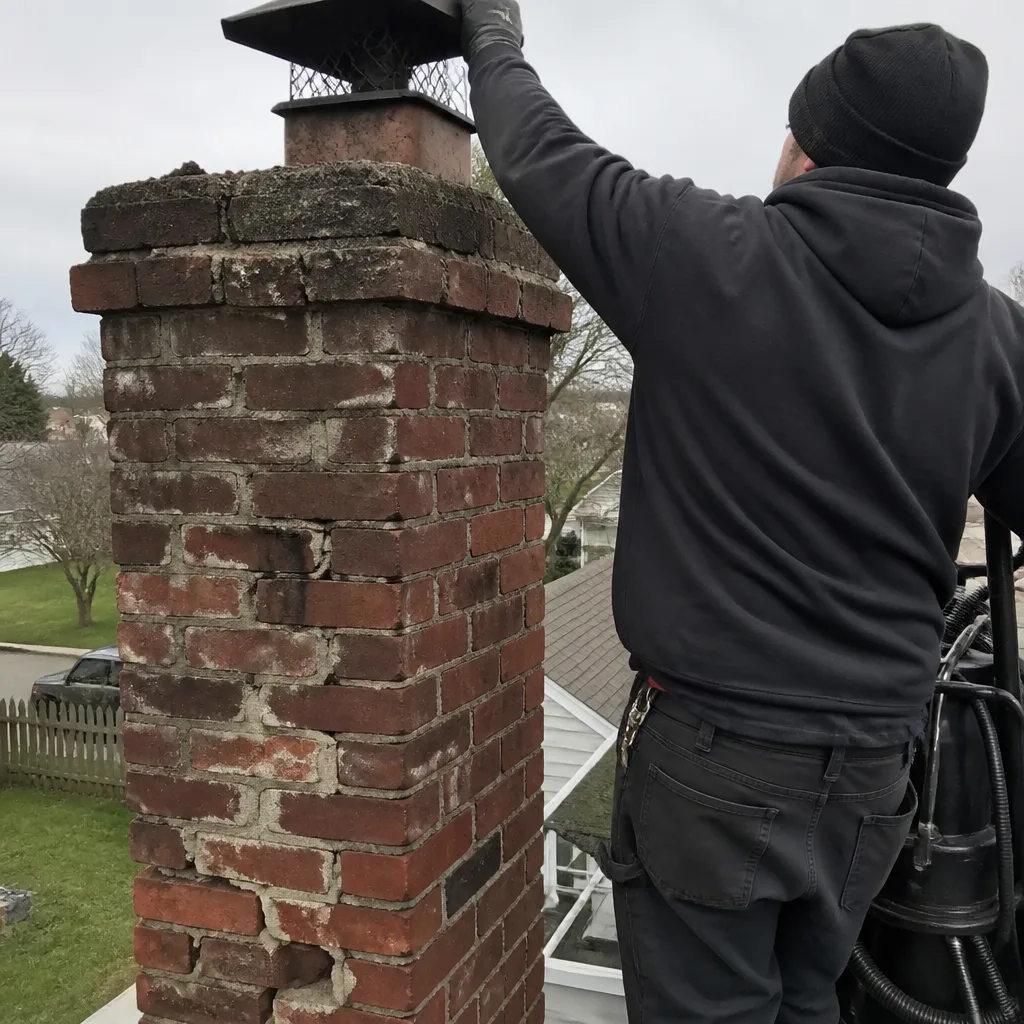 Before
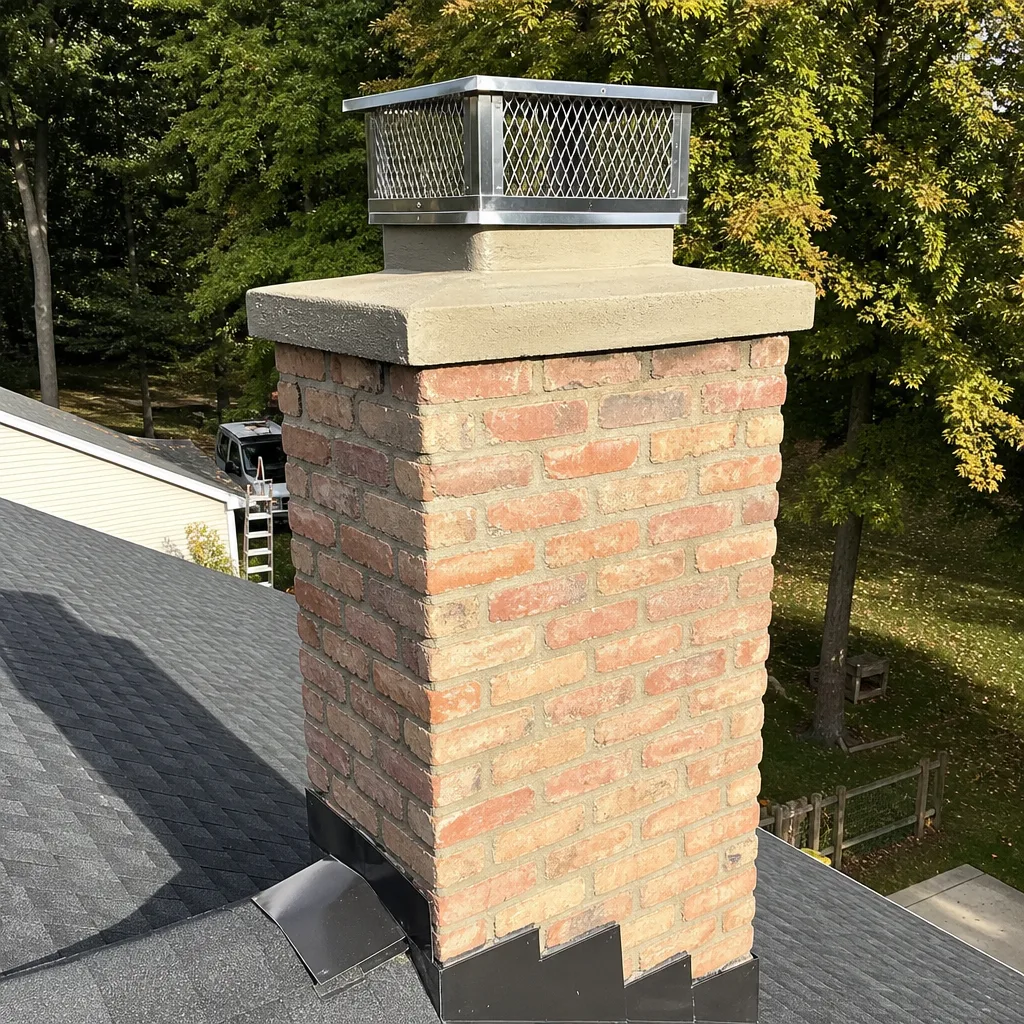 After
After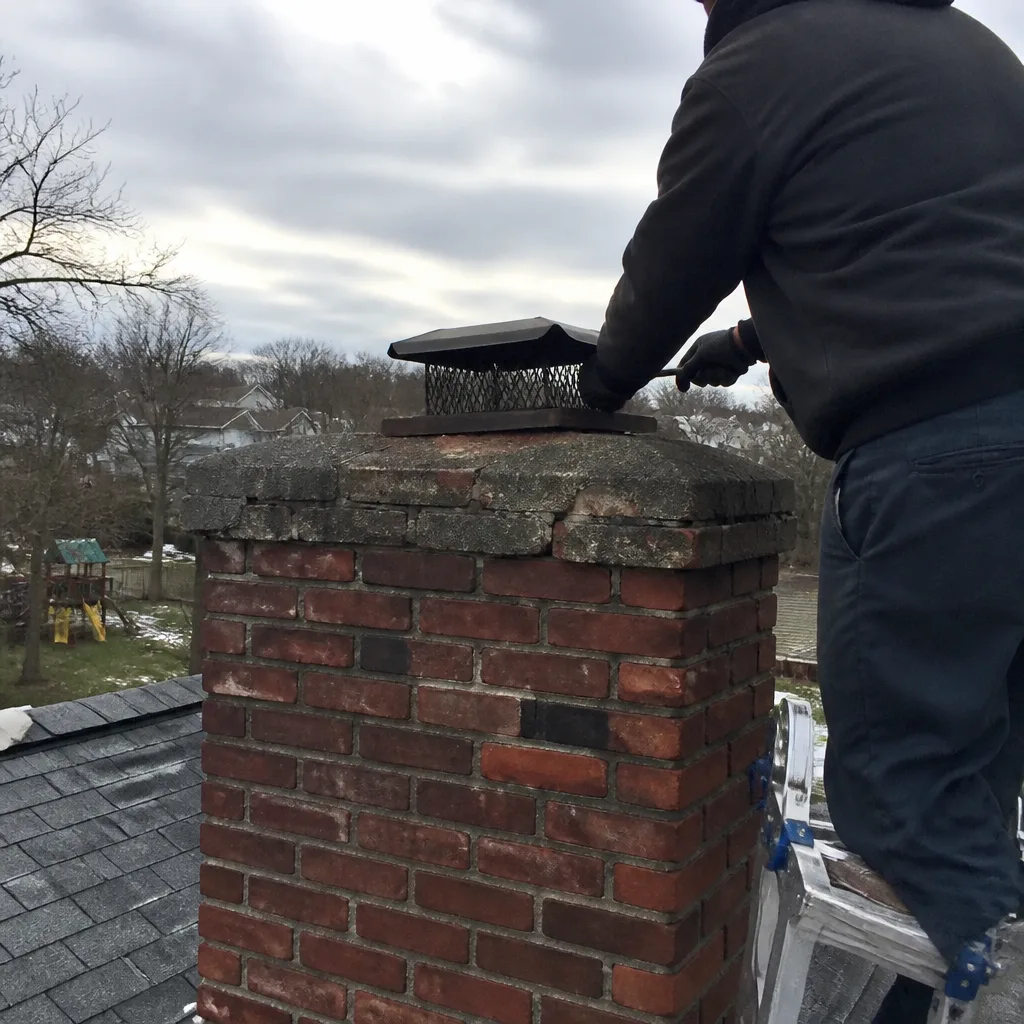 Before
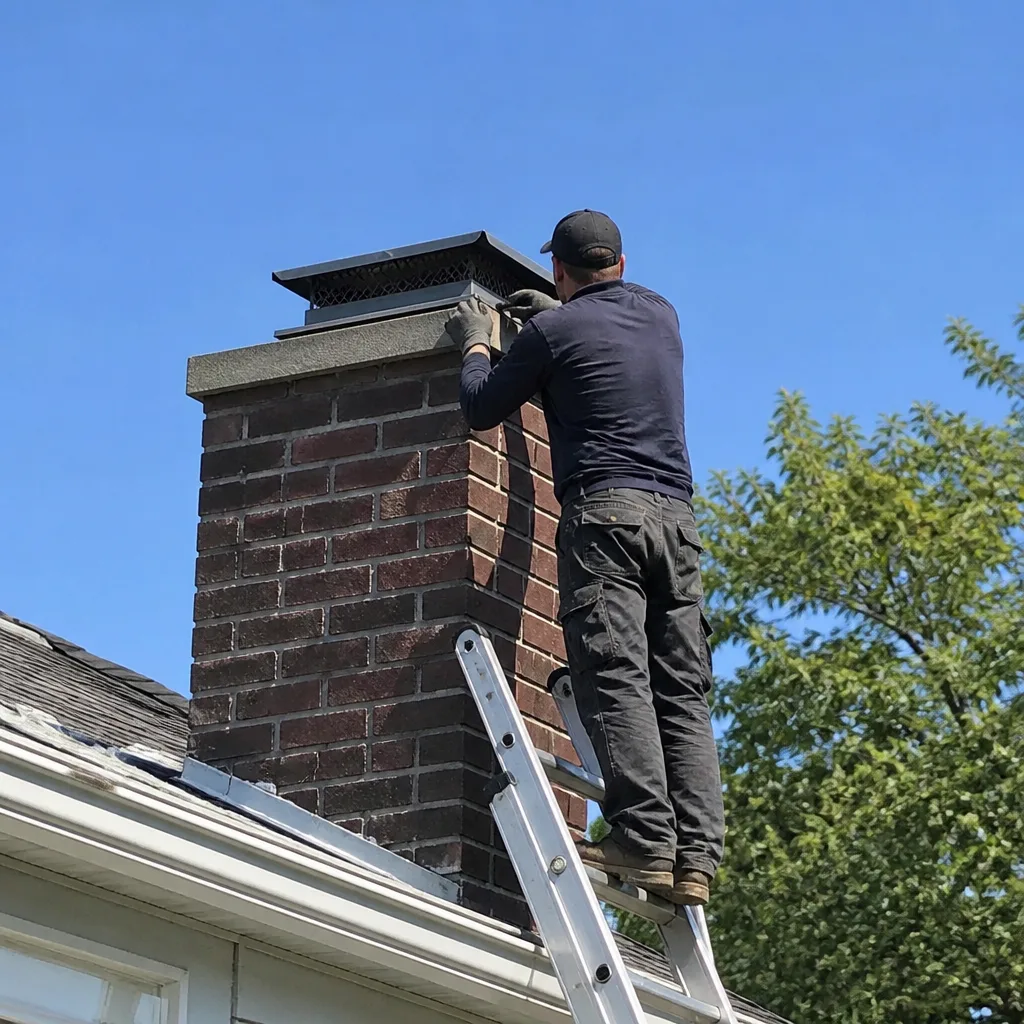 After
AfterChimney Cleaning Permits, Codes & Inspections in PA: What You Need to Know
If a contractor tells you chimney work “never needs a permit,” they’re either talking about the cleaning itself - which is true - or they’re telling you something that could cost you your homeowner’s insurance claim. In our 42 years serving Easton and the Lehigh Valley, we’ve seen the aftermath of both honest confusion and deliberate corner-cutting. This guide - alongside our Complete Guide to Chimney Cleaning in Easton - draws a clear line between routine chimney maintenance that needs no paperwork and the structural, relining, and installation work that triggers real regulatory requirements in Pennsylvania. You’ll learn exactly what Northampton County and the City of Easton expect, what your insurance policy actually says about unpermitted work, and why a proper Level 2 inspection protects you at closing whether you’re buying or selling.
Quick Answer
Annual chimney cleaning and sweeping in Pennsylvania do not require a building permit. However, chimney relining, structural repair, new appliance installation, and most crown or chase rebuilds do require permits under the International Building Code and International Residential Code as adopted by Northampton County and the City of Easton. A Level 2 camera inspection is required for real estate transactions and strongly recommended before any permitted work begins.
Table of Contents
- What Chimney Work Needs a Permit in Pennsylvania?
- What Chimney Work Does Not Need a Permit?
- Northampton County and Easton Building Codes Explained
- The Insurance Risk of Unpermitted Chimney Work
- Level 2 Inspections and Real Estate Transactions in PA
- UL 1777 and NFPA 211: The Standards That Matter
- Common Mistakes to Avoid
- When to Call a Professional
- Frequently Asked Questions
- The Bottom Line
What Chimney Work Needs a Permit in Pennsylvania?
Pennsylvania operates under a statewide building code - the Uniform Construction Code (UCC) - that adopts the International Building Code (IBC) and International Residential Code (IRC) with amendments. Under this framework, chimney work crosses into permit territory when it alters the structure, changes the appliance or fuel type, or involves the flue liner system.
Here is the precise breakdown of what requires a permit in Easton and Northampton County:
- Chimney relining or liner replacement. Installing a new stainless steel liner, replacing a terracotta flue, or adding a flexible liner for a new appliance triggers a permit. This is the most commonly missed requirement because homeowners assume “it’s just a tube inside the chimney.”
- Structural repair to the chimney stack. Rebuilding more than 25% of the masonry wall, replacing the crown, or reconstructing the chase on a factory-built chimney requires permitting. Easton’s older homes in the West Ward and College Hill neighborhoods often need this work after freeze-thaw cycles damage brickwork.
- New appliance installation or fuel conversion. Converting a wood-burning fireplace to gas, installing a wood stove insert, or adding a pellet appliance requires a permit. The IRC treats this as a new mechanical installation, not maintenance.
- Chimney extension or height modification. Raising the flue height to correct draft problems or meet clearance requirements needs approval. This comes up frequently in Easton’s South Side, where two-story additions on 1920s homes sometimes create downdraft issues.
- Factory-built chimney replacement. Removing and replacing a metal or prefabricated chimney system is treated as new construction, not repair.
The permitting authority in Easton is the City of Easton Code Enforcement Office, located at City Hall on South Third Street. For properties outside city limits in Northampton County, permits are issued through the Northampton County Department of Community and Economic Development or the specific township office, depending on whether the municipality has opted into state enforcement or maintains its own program. Wilson Borough, West Easton, and Glendon each handle their own permits. Forks Township and Palmer Township use county inspectors.
Permit fees for chimney work in this region typically run $75 to $250 depending on project value, with an additional inspection fee for each required site visit. Most permits require two inspections: a rough inspection before closure and a final inspection after completion.
Here’s where our experience matters. We’ve arrived at jobs in the 18042 and 18045 zip codes where a homeowner hired a cut-rate operator who installed a chimney liner without pulling a permit. The liner was the wrong diameter for the appliance, the connection was unsupported, and the homeowner had no documentation. When they called us to fix it, we had to remove the non-compliant work and start over - with proper permits, proper materials, and a camera inspection proving the installation met code. The “savings” from the original contractor evaporated, and the homeowner paid twice.
What Chimney Work Does Not Need a Permit?
Not every visit from a chimney professional involves bureaucracy. Routine maintenance, diagnostic work, and minor repairs fall outside permit requirements in Pennsylvania.
Annual cleaning and sweeping. A standard chimney cleaning and sweep removes creosote buildup, checks for obstructions, and evaluates the flue’s condition. No permit. No inspection. The National Fire Protection Association recommends this annually for wood-burning systems, and it’s the single most important thing you can do to prevent chimney fires in Easton’s heating season, which runs hard from October through April.
Minor mortar pointing. Tuckpointing or repointing small areas of deteriorated mortar joints does not require a permit if the structural integrity of the chimney is not compromised. The line blurs when pointing becomes rebuilding - a judgment call that honest contractors discuss with the homeowner before work begins.
Cap and damper replacement. Installing a new chimney cap or replacing a throat damper is considered maintenance. However, if the cap installation requires modifying the crown or flue tile, check with your local office. We’ve seen Easton inspectors take different views depending on the scope.
Level 1 and Level 2 inspections. These are evaluations, not construction. A Level 1 inspection is visual, accessible, and routine. A Level 2 inspection adds camera examination of the flue interior and accessible portions of the appliance and chimney connection. Neither requires a permit, though a Level 2 is required by NFPA 211 before property transfer and after any chimney fire or seismic event.
Smoke and CO detector installation. While critical for safety, this is electrical work handled separately if it triggers any requirement at all.
The key distinction: permits govern construction and mechanical alteration. Maintenance, evaluation, and cleaning are your responsibility as a homeowner, not the building code’s.
Northampton County and Easton Building Codes Explained
Pennsylvania’s UCC creates a two-tier system that confuses many homeowners. The state adopts the IBC and IRC, but local jurisdictions can amend certain provisions through a formal process. Northampton County has done this in ways that affect chimney work directly.
The state baseline. Pennsylvania Act 45 of 1999 established the UCC, which automatically updates to new IBC/IRC editions on a delayed schedule. As of 2024, Pennsylvania operates under the 2018 IBC and IRC with state-specific amendments. The IRC Section R1001 governs masonry chimneys, R1002 governs factory-built chimneys, and Chapter 10 covers fireplaces and solid fuel-burning appliances.
Northampton County amendments. The county has opted into state enforcement but maintains a local appeals board and certain administrative procedures. For chimney work, the practical effect is minimal - county inspectors apply the IRC directly - but permit application requirements vary by municipality. In Palmer Township, for example, you submit through the township office with county inspection scheduling. In Easton proper, the city handles the entire chain.
City of Easton specifics. Easton maintains its own code enforcement office and has not adopted additional chimney-specific amendments beyond the state UCC. However, Easton’s historic district overlay - covering much of the downtown and College Hill - adds review requirements for exterior alterations visible from the street. If your chimney repair involves rebuilding brickwork on a facade-facing elevation, you may need Historic District Commission approval in addition to your building permit. We’ve navigated this process for homeowners on Lafayette Street and Northhampton Street; it adds two to four weeks but is straightforward with proper documentation.
Climate considerations. Easton’s freeze-thaw cycles are harder on chimneys than Philadelphia’s or Harrisburg’s. The IRC’s generic masonry standards don’t account for the 20 to 30 annual freeze-thaw events we see in the Lehigh Valley, where temperatures swing above and below 32 degrees repeatedly in late winter. This is why we specify HeatShield cerfractory resurfacing for flue liners and Copperfield stainless steel caps with proper drip edges - materials rated for severe weather exposure, not the minimum standard.
Who to call. For permit status, required inspections, or code interpretation in Easton: City of Easton Code Enforcement, (610) 756-1504. For Northampton County-administered permits: Northampton County UCC Division, (610) 756-1504. Always confirm your municipality’s status - the county website maintains an updated list of which towns self-administer.
The Insurance Risk of Unpermitted Chimney Work
This is the section your insurance agent hopes you read.
Homeowner’s insurance policies in Pennsylvania contain standard language that voids or limits coverage for damage arising from work performed without required permits. The exact wording varies by carrier, but the pattern is consistent. Here’s representative language from major insurers operating in the Lehigh Valley:
- “We do not cover loss caused by… faulty, inadequate, or defective materials or workmanship used in repair, renovation, or restoration, if you knew or should have known of the condition.” - This is the “should have known” clause. If a reasonable homeowner would have known permits were required, the insurer can deny.
- “Coverage is excluded for loss caused by… building code violation, including failure to obtain required permits.” - Direct exclusion found in several Pennsylvania-standard HO-3 policy endorsements.
- “We may limit or deny payment for loss if you have concealed or misrepresented any material fact relating to this insurance.” - If you file a claim after a chimney fire and the adjuster discovers unpermitted liner work, this clause activates.
The scenario we see: A homeowner in Easton’s College Hill neighborhood has a chimney fire in January. The fire department responds, the damage is contained to the flue and surrounding masonry, and the homeowner files a claim. The insurance adjuster requests maintenance records and any permits for recent work. The homeowner had a liner installed three years prior by a low-bid contractor who said permits “weren’t necessary for chimneys” - a red flag we cover in our Chimney Cleaning Warning Signs for Easton Homeowners. No permit exists. The installation used an unlisted product, unsupported at the base, with no documentation of compliance with UL 1777.
The claim is denied. The homeowner now faces $8,000 to $15,000 in repair costs, plus the original contractor is out of business or unresponsive.
This is not scare-selling. This is the language in the policy you signed. We’ve reviewed claim denials with homeowners who genuinely did not know permits were required - and their ignorance, while understandable, did not change the outcome.
The protection is simple. Any contractor performing permitted work should pull the permit in their name, schedule inspections, and provide you with the approved completion certificate. At Hearthstone, we handle this process start to finish for any job that triggers requirements. You receive a file copy of all permits, inspection sign-offs, and the manufacturer’s installation certificate for materials like DuraFlex liners. If your insurance company ever asks, you have documentation that satisfies any reasonable inquiry.
Level 2 Inspections and Real Estate Transactions in PA
Pennsylvania does not mandate chimney inspections by statute in real estate transactions. But mortgage lenders, insurance underwriters, and prudent buyers have made the Level 2 inspection a de facto requirement across the Lehigh Valley.
Here’s how this plays out in Easton’s market. A buyer makes an offer on a 1940s colonial in the West Ward. The home inspection generalist looks at the chimney from the roof, notes “appears serviceable,” and moves on. The buyer’s insurance company then requests a WETT or CSIA inspection certificate, or the lender’s appraisal flags the fireplace as a potential hazard. The deal stalls until a qualified sweep performs a Level 2 inspection with camera documentation.
We’ve performed hundreds of these inspections for Easton-area transactions. The process takes 90 minutes to two hours and produces:
- Photographic documentation of the entire flue interior, from firebox to crown
- Measurement of flue dimensions, liner condition, and clearance to combustibles where visible
- Evaluation of the smoke chamber, damper assembly, and firebox integrity
- A plain-English verdict on whether the system is safe for use, needs maintenance, or requires repair before operation
- Documentation suitable for lender, insurer, or legal review
For sellers, a pre-listing Level 2 inspection is strategic. You discover problems on your timeline, with your choice of contractor, at known cost. For buyers, it prevents the nightmare of moving into a home in January and discovering the chimney is unusable or unsafe.
In Easton’s competitive market, where homes in the Historic District and College Hill can attract multiple offers, a clean inspection report with photos removes a negotiation lever from the buyer’s hand. We’ve had sellers tell us the $250 inspection fee returned tenfold in smoother closings.
The fireplace services we provide include pre-sale inspections, repair estimates that satisfy lender repair escrows, and documentation that meets Pennsylvania’s disclosure requirements. If you’re buying or selling in the 18042, 18043, 18044, or 18045 zip codes, call before the home inspection, not after the deal frays.
UL 1777 and NFPA 211: The Standards That Matter
When a reputable contractor references standards without being asked, they’re signaling something important: they work to a specification that exists outside their own opinion, and their materials are tested to that specification.
UL 1777: Standard for Chimney Liners. This Underwriters Laboratories standard governs the construction, testing, and listing of factory-built chimney liners. A UL 1777-listed liner has been tested for corrosion resistance, thermal cycling, and structural integrity under simulated chimney fire conditions. The listing includes specific approved applications - which fuels, which appliances, which temperature ratings.
We install DuraFlex and Copperfield stainless steel liners that carry current UL 1777 listings. When we specify a liner, we match the alloy grade to the appliance: 316Ti stainless for wood-burning, AL29-4C for high-efficiency gas condensing appliances. A contractor who cannot tell you the alloy grade or the UL listing number is guessing with your safety.
NFPA 211: Standard for Chimneys, Fireplaces, Vents, and Solid Fuel-Burning Appliances. This is the National Fire Protection Association’s comprehensive standard, referenced throughout the IRC and adopted by reference in Pennsylvania’s UCC. Key provisions for homeowners:
- Section 14.2 requires Level 2 inspection before property transfer
- Section 14.3 requires Level 3 inspection (destructive examination) after chimney fires or major structural events
- Section 11.2 specifies clearance requirements between chimneys and combustible materials
- Section 12.6 governs liner sizing and connection methods
Easton’s fire marshals and building inspectors know NFPA 211. When we submit permit applications with liner specifications, we cite the relevant sections to expedite approval. When we perform inspections, we evaluate against these criteria, not a gut feeling.
A contractor who dismisses these standards - “we’ve always done it this way,” “codes are just suggestions” - is telling you their experience stopped updating years ago. In a field where materials science and appliance technology evolve continuously, that stagnation is dangerous.
Common Mistakes to Avoid
- Hiring based on the lowest bid without verifying permit responsibility. The lowest bid often excludes permit costs, inspection fees, and proper materials. Ask directly: “Will you pull the permit, or is that my responsibility?” If they hesitate, keep looking.
- Assuming chimney cleaning includes inspection documentation for real estate. A standard sweep produces a receipt, not a report. For transactions, request a Level 2 inspection explicitly. We’ve had Easton sellers discover this distinction two days before closing.
- Ignoring Easton’s historic district requirements. Exterior masonry work on street-facing chimneys in the historic overlay needs Commission approval. Starting without it triggers a stop-work order and rescheduling that can delay projects by weeks.
- Accepting verbal assurances about insurance coverage. “Don’t worry, we’re insured” means nothing without a certificate of insurance naming you as additional insured for the project duration. We provide this automatically on request.
- Skipping the camera inspection after a chimney fire. Even small fires can crack flue liners or damage mortar joints invisible from the firebox. NFPA 211 mandates Level 3 inspection after significant events. We’ve found hidden damage in Easton homes where the homeowner “just wanted it swept and put back in service.”
- Using unlisted liner products from online retailers. That $400 flexible liner on a major retail site is almost certainly not UL 1777 listed for your application. Installation voids insurance and creates liability. We use only listed products from established manufacturers with traceable batch records.
- Failing to retain permit and inspection records. Keep these with your home files for the duration of ownership. They transfer with the property and protect against future claims. We provide organized documentation packets for every permitted job.
When to Call a Professional
Call a certified chimney professional when you’re buying or selling a home, after any chimney fire or severe weather event, before installing a new heating appliance, or if your chimney has not been inspected in over twelve months; see our more guides & resources for additional homeowner references. In Easton’s climate, where freeze-thaw cycles accelerate masonry deterioration, annual inspection is prudent even for gas systems that burn cleaner.
Hearthstone Chimney Co. offers free estimates in Easton and throughout Northampton County. A live person answers our phones 24 hours a day, 7 days a week - no voicemail, no callback queue. Our background-checked, uniformed technicians complete most jobs in a single visit, with no-hassle upfront pricing so the number on the estimate is the number on the invoice. Call (610) 756-1504 to schedule, or visit our Hearthstone Chimney Co. home page to learn more about our services.
Frequently Asked Questions
No. Annual chimney cleaning, sweeping, and routine maintenance do not require a building permit anywhere in Pennsylvania, including Easton and Northampton County. Permits are required only for construction, relining, structural repair, or new appliance installation.
A standard chimney sweep in the Easton area typically costs between $150 and $300, depending on accessibility, creosote buildup severity, and whether a Level 1 or Level 2 inspection is included. Hearthstone’s $89 Seasonal Tune-Up covers basic sweeping and inspection for qualifying systems. Call (610) 756-1504 for an exact quote - estimates are free.
Unpermitted chimney work can derail a sale, trigger renegotiation, or expose you to post-closing liability if the buyer discovers the issue. Pennsylvania’s seller disclosure form asks directly about permits for structural work. Mortgage lenders and insurers may require documentation before closing. A pre-sale Level 2 inspection identifies problems before they become deal-breakers.
The National Fire Protection Association recommends annual inspection for all chimney systems, with cleaning frequency determined by use and fuel type. Wood-burning systems in regular Easton winter use typically need annual sweeping. Gas systems should be inspected annually but may need less frequent cleaning depending on appliance efficiency and venting configuration.
Skipped maintenance leads to creosote accumulation, which causes chimney fires; moisture intrusion, which destroys masonry and liner integrity; and blocked or deteriorated flues, which can force carbon monoxide into living spaces. In Easton’s older housing stock, we’ve seen neglected chimneys become structurally unsound, requiring rebuilds that cost ten times what preventive maintenance would have. Call (610) 756-1504 to schedule before burning season.
Terracotta flue tiles are adequate for open wood-burning fireplaces when intact, but they crack under thermal stress and cannot be reliably repaired. If your inspection reveals cracked, spalled, or missing tiles; if you’re installing a new insert or stove; or if your appliance requires a specific liner material for warranty compliance, replacement is necessary. We document this with camera photos you can see and a plain-English verdict, never a pressure sale. When work can safely wait, we say so.
The Bottom Line
Chimney cleaning itself lives in the maintenance world - no permits, no inspections, just good annual practice. But the work that follows a proper inspection often crosses into regulated territory, and Easton homeowners who understand this distinction protect themselves from insurance denials, failed real estate transactions, and costly rework. The key is documentation: permits pulled, inspections passed, standards cited, photos retained. At Hearthstone, we’ve built our 42-year reputation on this exacting approach - done right, documented like an engineer, explained like a craftsman, and backed by our 90-Day Done Right Promise in writing with no arguing.
Written by Russell Haines, Owner at Hearthstone Chimney Co., serving Easton since 2014.