
Last updated September 10, 2026
Level 1 sweep and inspection to the NFPA 211 annual standard - flue, crown, cap, and flashing checked and photographed
Chimney sweep logs do not sweep chimneys. They loosen some creosote - which then falls where a brush and vacuum still have to collect it.
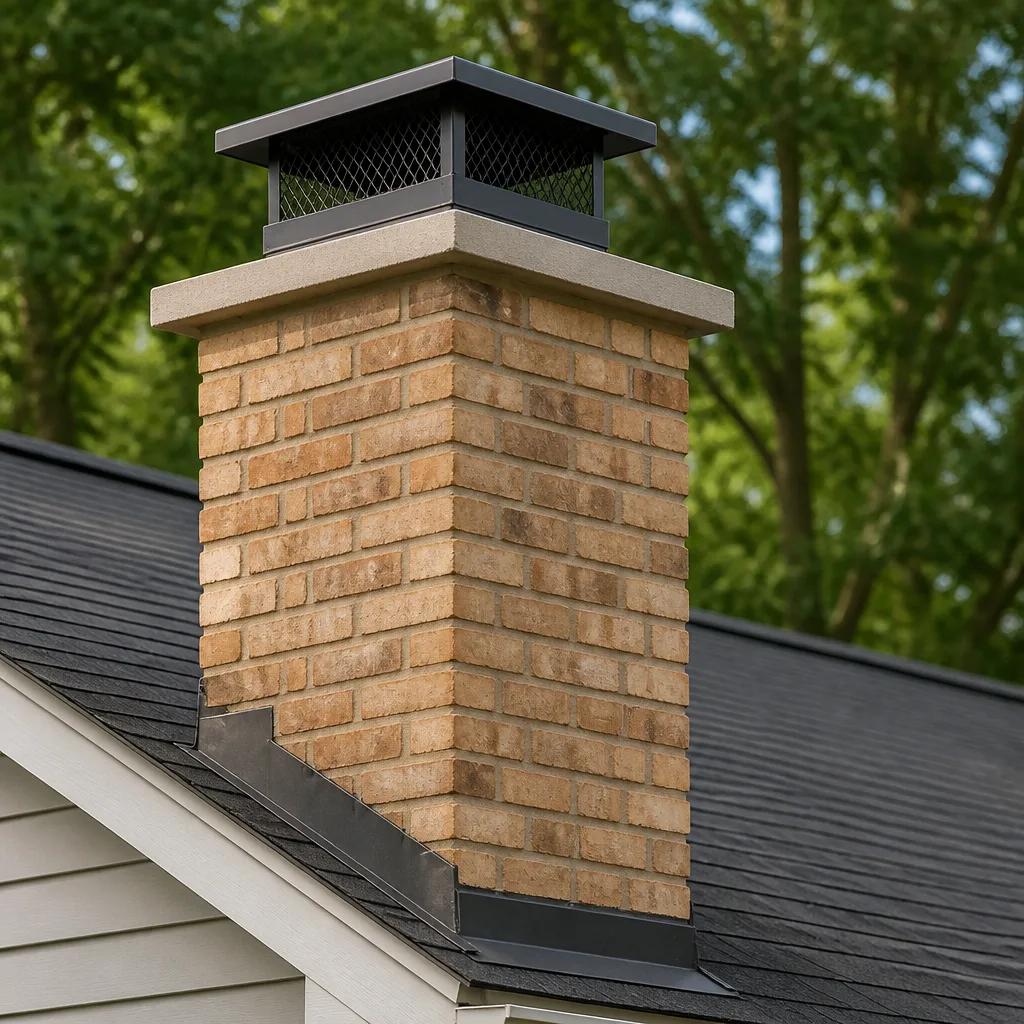
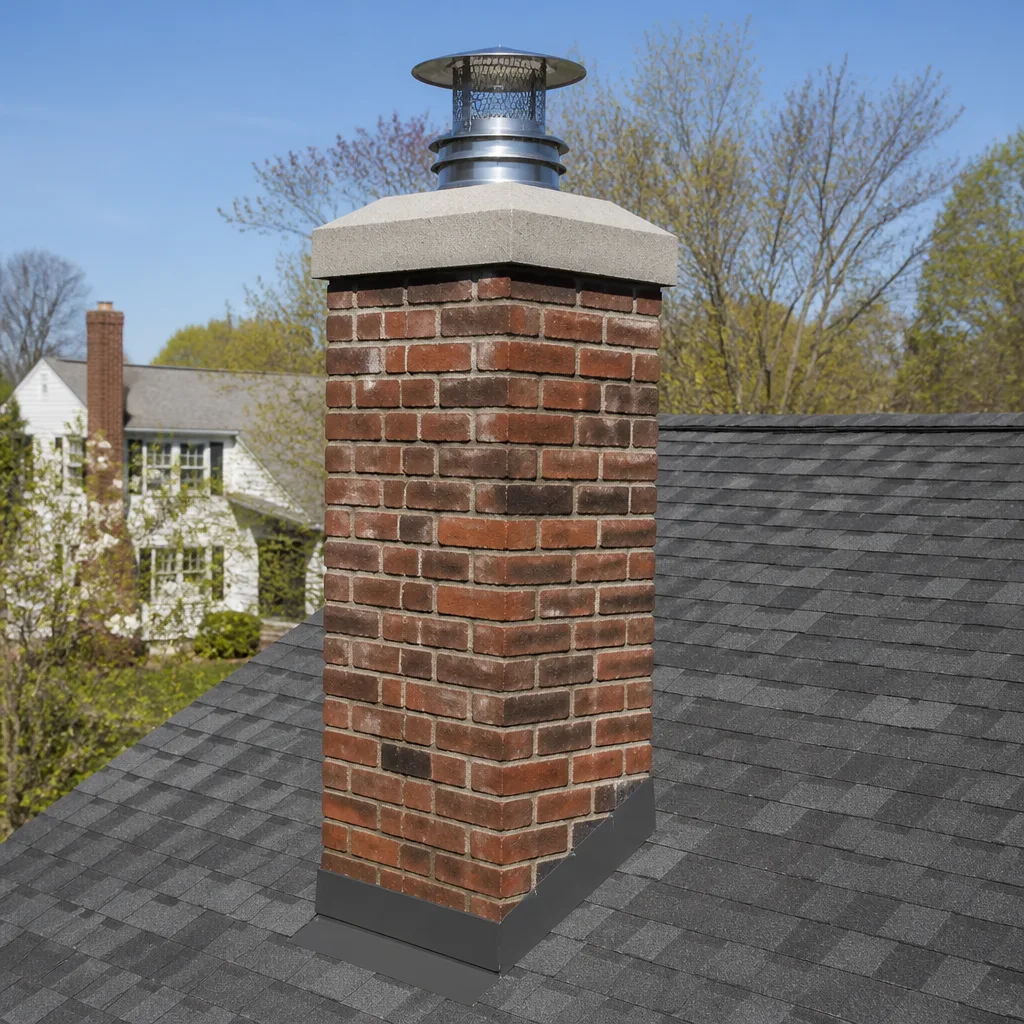
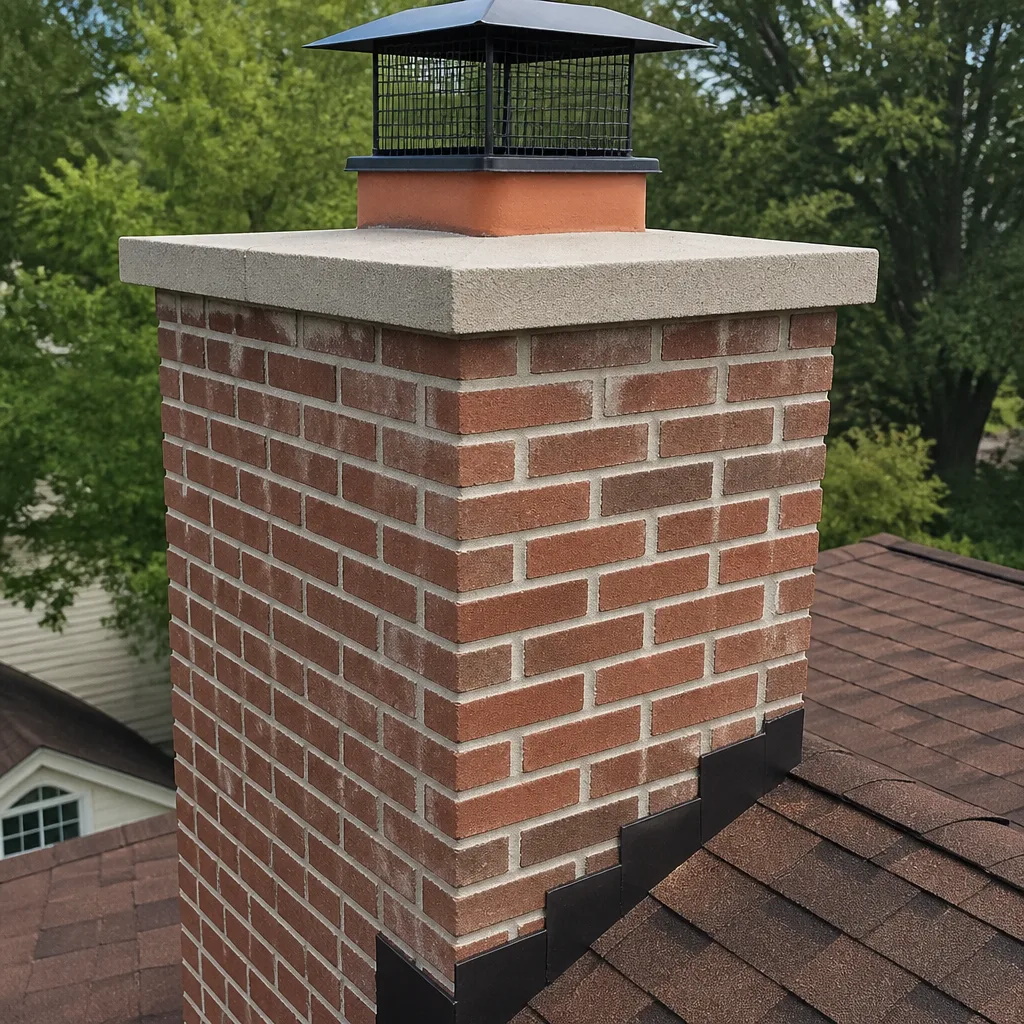
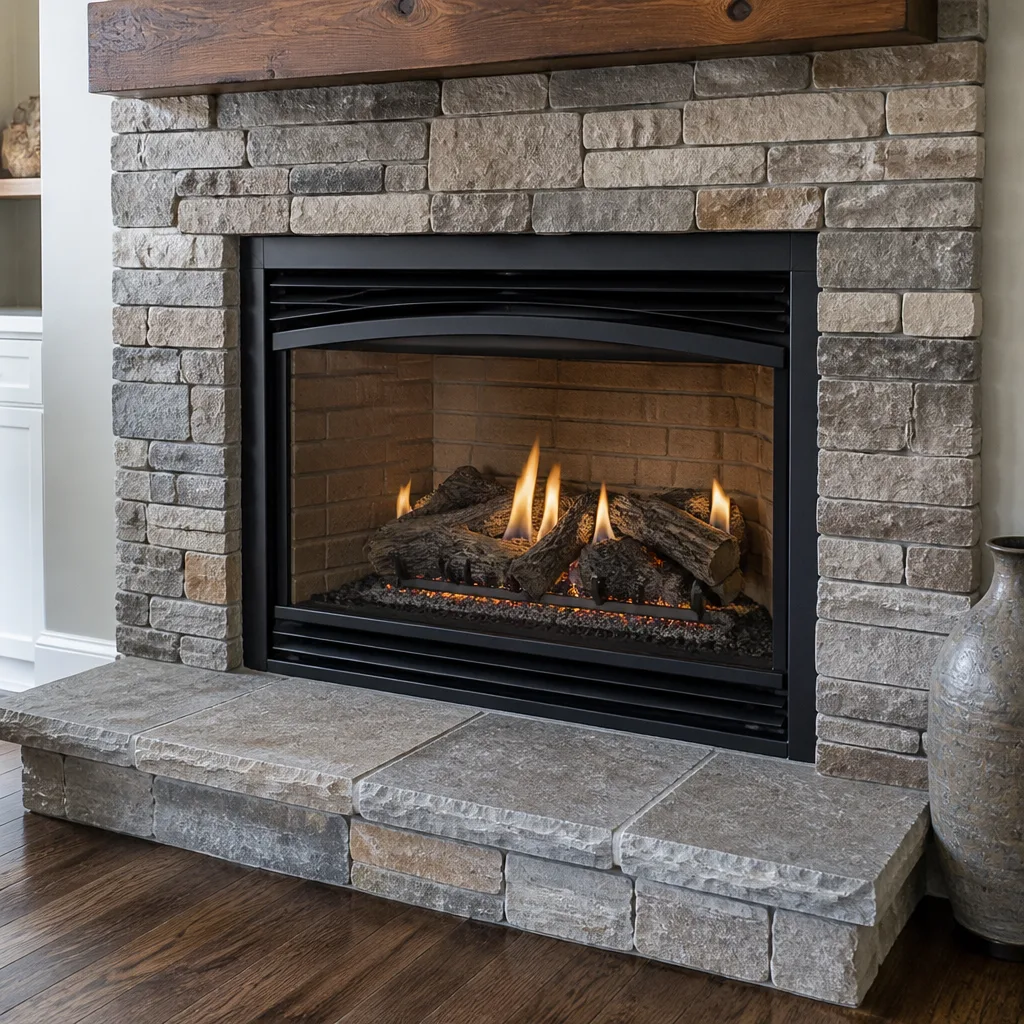
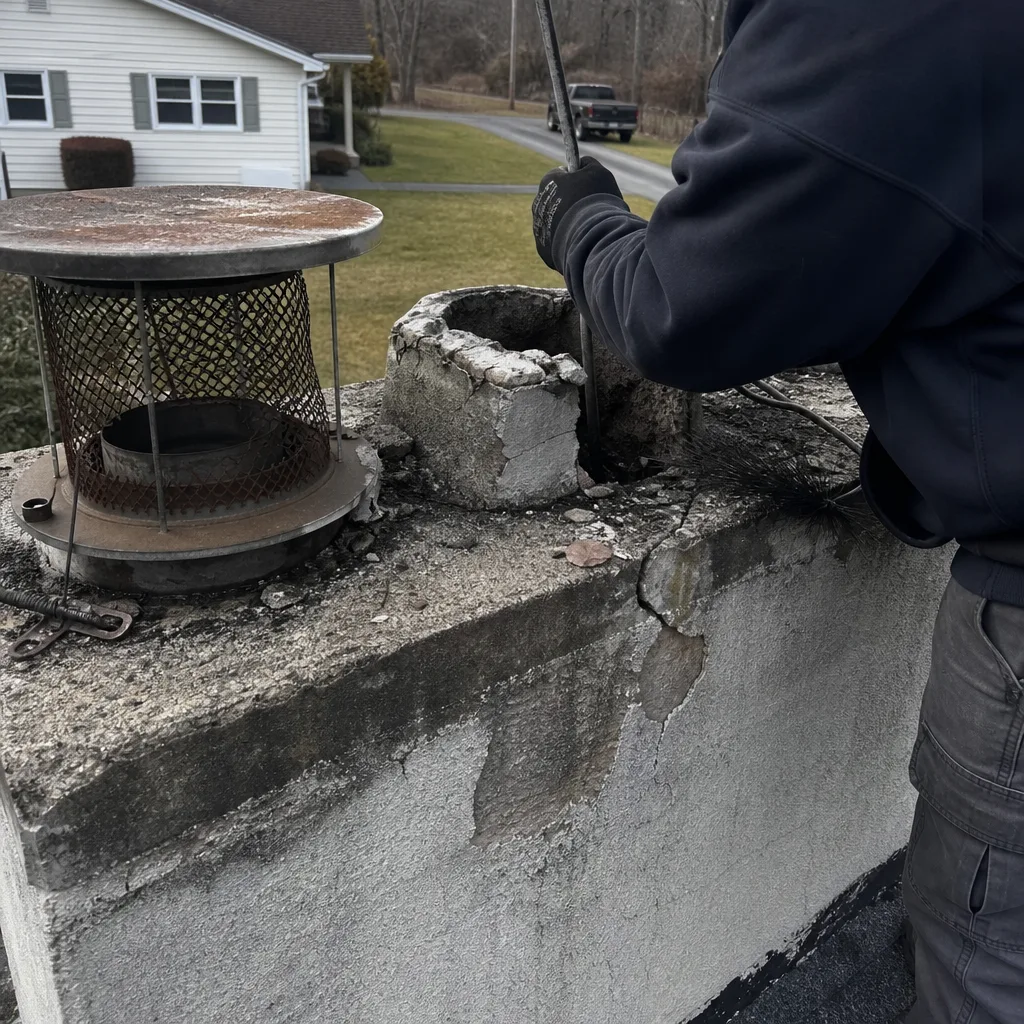 Before
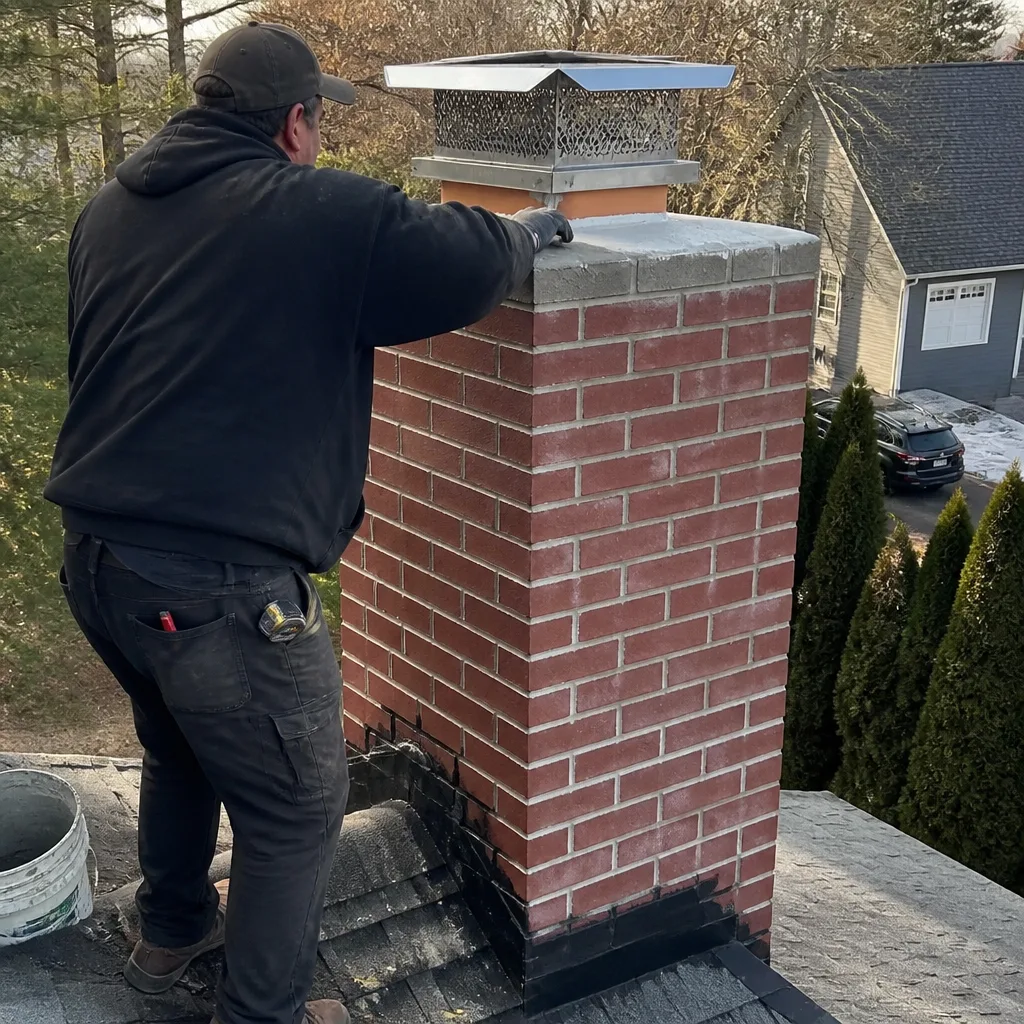 After
After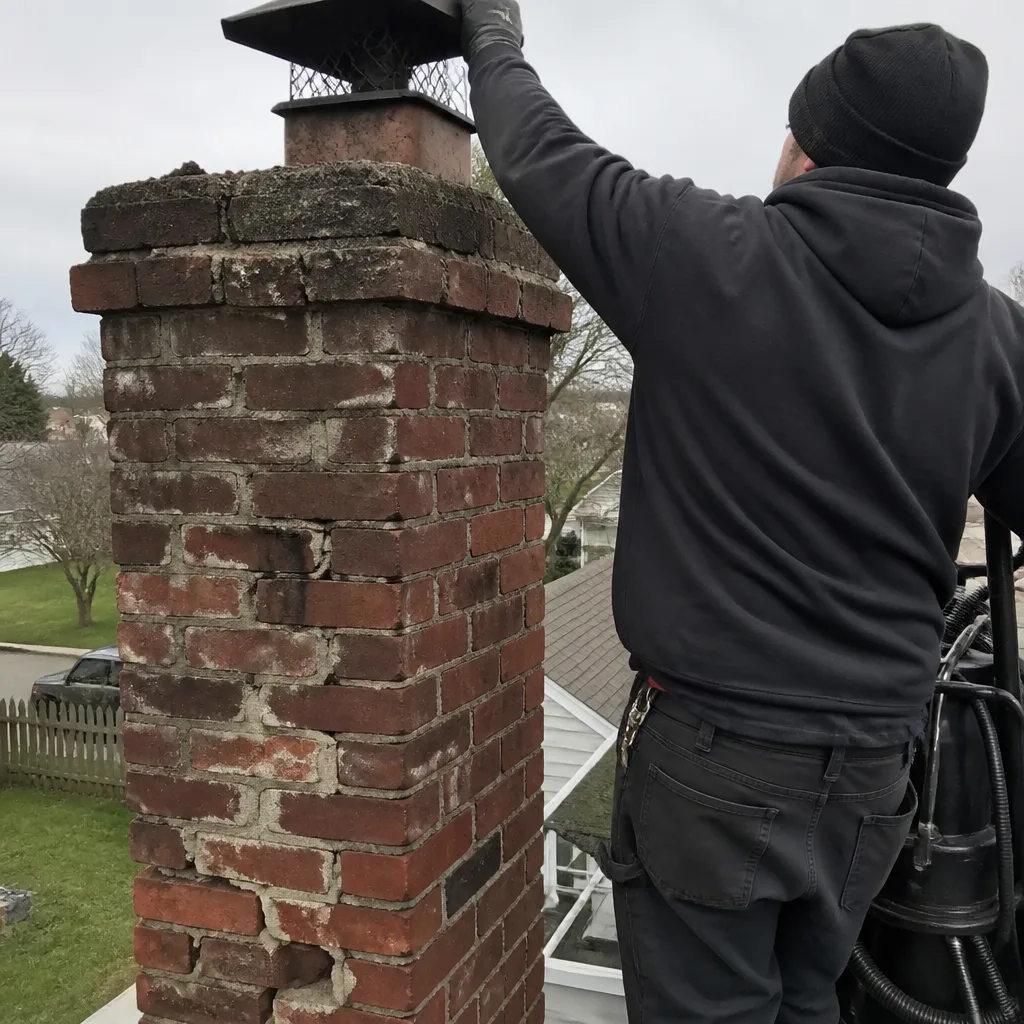 Before
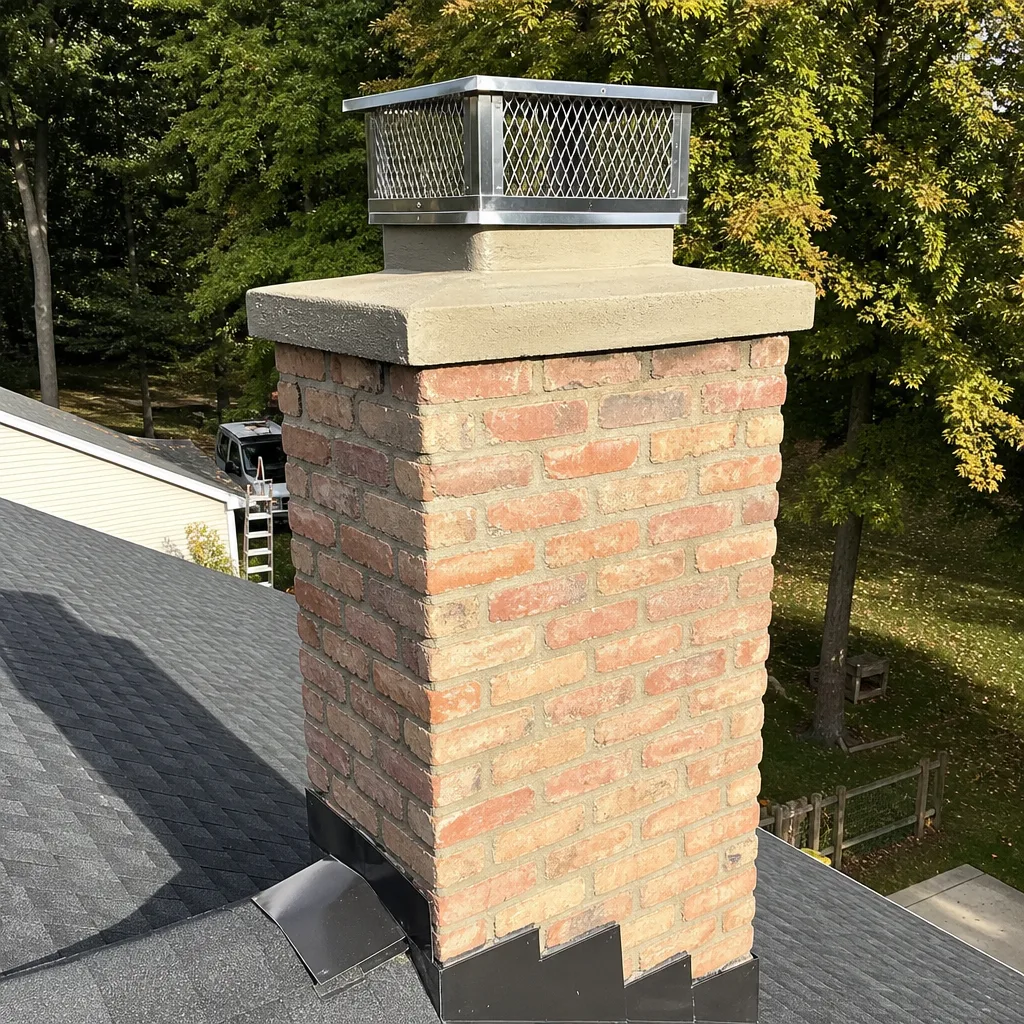 After
After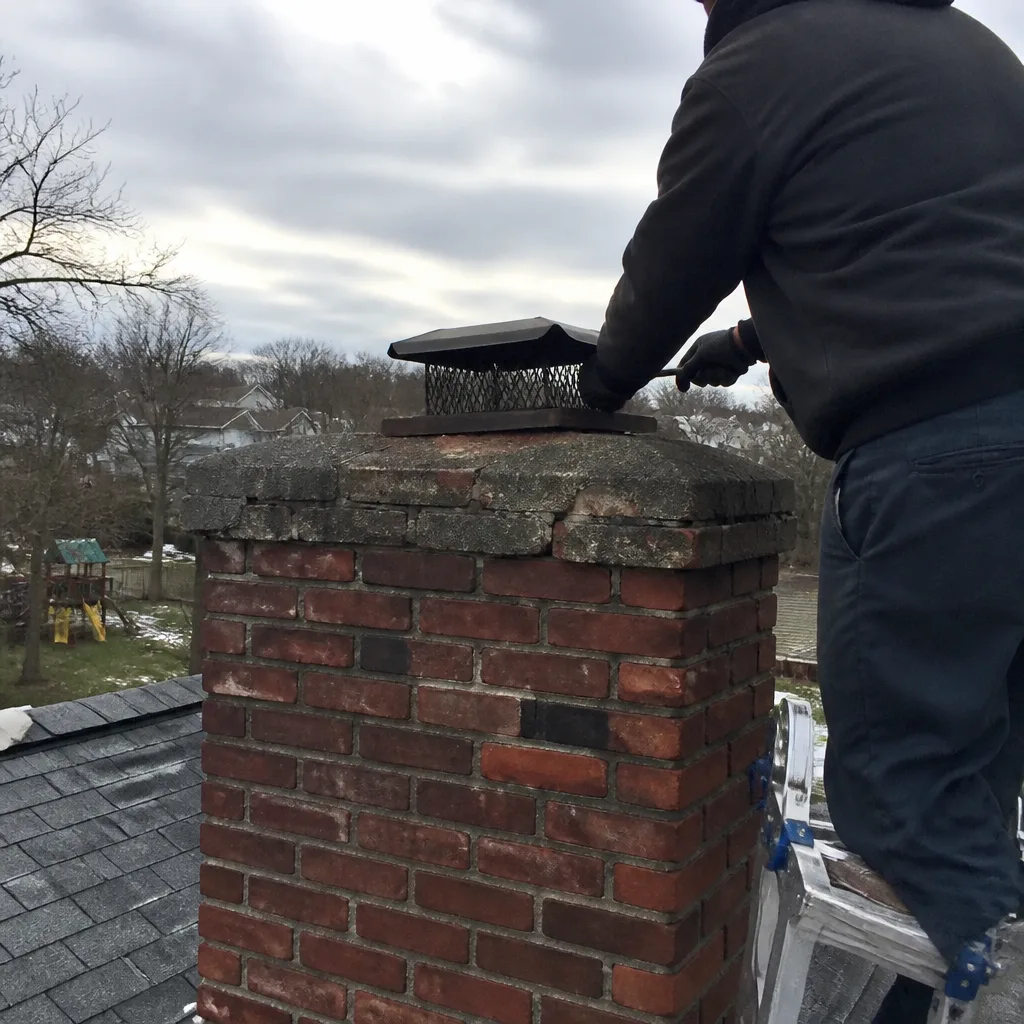 Before
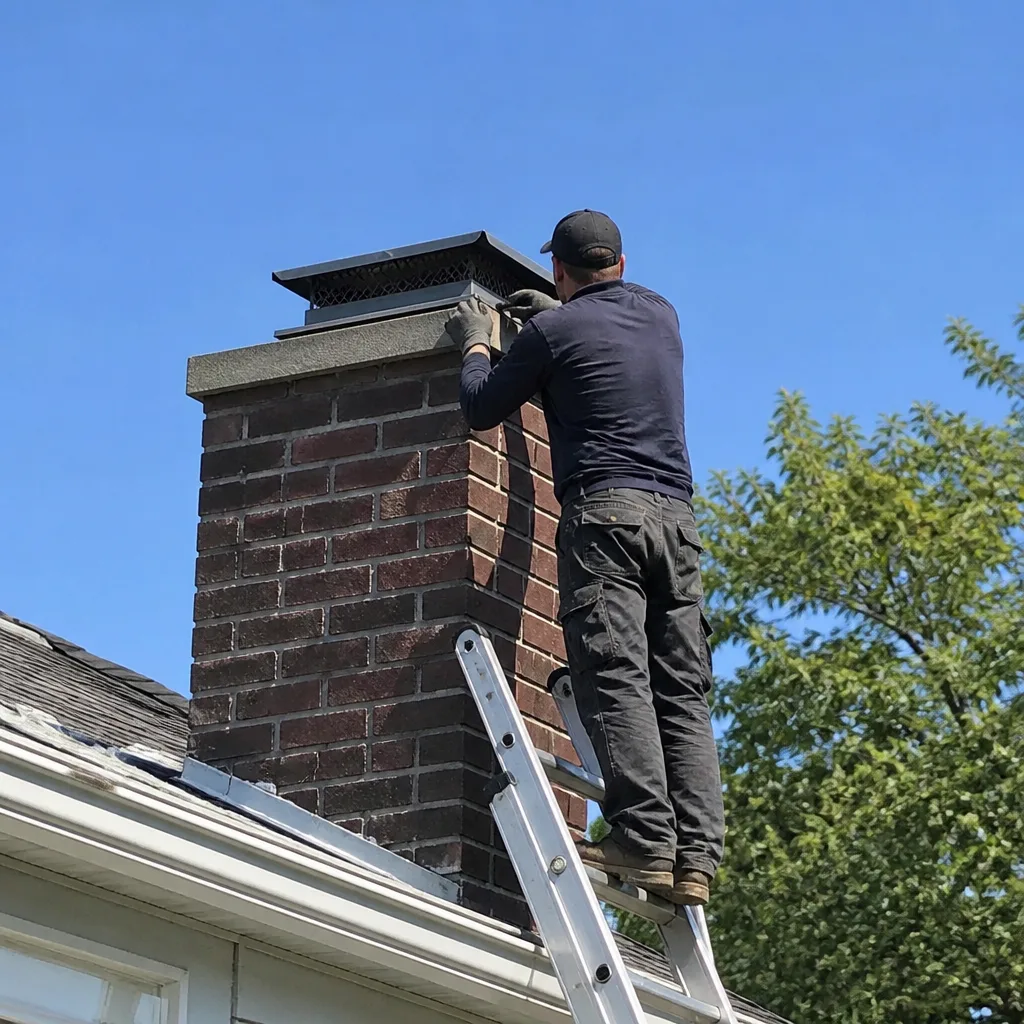 After
AfterSeasonal Chimney Cleaning Care for Easton: Year-Round Homeowner’s Guide
Scheduling your chimney cleaning in October feels responsible - but if you burned 4 cords of wood last winter and let your flue sit sealed all summer, you may be lighting fires in September over a creosote problem that spent the hot months hardening into its worst form. In Easton, the Lehigh Valley’s freeze-thaw cycles and humid summers do not pause for your convenience. This guide maps what actually threatens your chimney in each season, how your burn habits change the math, and when the calendar fails you entirely. For Chimney Cleaning & Sweep Maintenance Checklist for Easton Homeowners, see our companion resource.
Quick Answer
Easton homeowners should treat chimney care as four distinct seasonal tasks, not one annual appointment. Spring addresses moisture and animal intrusion after the burn season ends. Summer inspections catch humidity damage to clay liners and mortar before fall demand peaks. Fall cleaning frequency depends on cords burned, not calendar month. Winter monitoring of draft, odor, and soot patterns prevents mid-season hazards.
Table of Contents
- Spring: The Hidden Damage Season
- Summer: What Humidity Does While You Are Not Looking
- Fall: The Cord-Wood Calculation That Matters
- Winter: Reading Your Chimney Mid-Burn
- How Easton Burn Habits Change Everything
- What a Level-2 Inspection Actually Covers
- What Seasonal Chimney Care Costs in Easton
- Common Mistakes to Avoid
- When to Call a Professional
- Frequently Asked Questions
- The Bottom Line
Spring: The Hidden Damage Season
Most Easton homeowners close the damper in March, stack the last split logs, and forget the chimney exists until the first cold snap. That is when moisture, animals, and creosote chemistry team up against you.
Here is what happens inside a flue that sits idle through Easton’s wet springs. The Lehigh Valley receives 45 to 50 inches of precipitation annually, with March through May delivering the most consistent rainfall. Creosote, the tar-like residue from wood combustion, is hygroscopic - it absorbs atmospheric moisture. In a sealed flue with no airflow, that moisture has nowhere to go. The creosote swells, acids concentrate, and the resulting slurry attacks mortar joints and metal components through a process called chloride stress corrosion. By September, what was manageable creosote has become glazed, rock-hard deposits that no standard brush will remove.
Animal intrusion peaks in April and May. Squirrels, raccoons, and chimney swifts scout nesting sites as temperatures rise. A flue that was actively venting smoke all winter smells like shelter to them. We have removed nests built entirely from fiberglass insulation pulled from attic hatches in the College Hill neighborhood, and we have found starling colonies that completely blocked 8-inch round flues in the historic district near Centre Square.
What to do in spring:
- Schedule a post-season inspection and sweep within 30 days of your final fire. This removes creosote before humidity hardens it and documents flue condition before nesting season.
- Verify your chimney cap is intact. A missing or damaged cap is an open invitation. We install caps from Copperfield and Famco with stainless steel mesh that excludes animals while allowing proper draft.
- Check for water staining on the firebox walls or rust on the damper. These indicate crown cracks or flashing failures that Easton’s spring rains will exploit.
- Leave the damper cracked open if the flue is dry, or install a lock-top damper to control airflow without sealing the system completely.
Spring is also when we catch the freeze-thaw damage from winter. Easton’s temperature swings - 60 degrees one day, 15 the next - expand and contract masonry at different rates. Hairline cracks in the crown in March become quarter-inch channels by November. Catching them now means a simple crown seal with professional-grade materials. Waiting means water intrusion, liner damage, and a repair that costs ten times more. See our Chimney Cleaning Cost Breakdown: The Easton Homeowner’s Reference for 2026 for typical pricing.
Our Chimney Cleaning & Sweep in Easton includes a full post-season evaluation. We document everything with photos you can see and a plain-English verdict on what needs attention now versus what can wait.
Summer: What Humidity Does While You Are Not Looking
July and August in Easton average 65 to 75 percent relative humidity, with dew points that climb into the oppressive range for weeks at a stretch. Your chimney is not immune. In fact, it may be the most humidity-vulnerable structure in your house.
Clay tile liners, still standard in most Easton homes built before 1990, are porous. They absorb moisture from humid air entering the flue. When that moisture meets residual creosote acids, the pH drops and the clay begins to spall - flake and crumble from the inside out. We have removed liner sections in the West Ward where the inner surface had deteriorated to exposed aggregate, reducing the liner’s thickness by half. The homeowner had no idea; there were no visible symptoms, no draft problems, no odors. The damage was discoverable only with a camera inspection.
Mortar joints between flue tiles suffer similarly. Standard Type N mortar has moderate acid resistance but degrades under prolonged exposure to combustion acids in a humid environment. Joint erosion creates gaps where creosote can accumulate and where gases can leak into chimney walls. In extreme cases, we have found eroded joints that allowed flue gases to reach the wood framing in chase structures - a genuine fire hazard that produced no smoke or smell inside the house.
Summer inspections offer another advantage: availability and attention. Fall scheduling in Easton compresses into a six-week window. Technicians are rushed, appointments book weeks out, and the pressure to clear the backlog before first frost is real. A July inspection means your sweep has time to explain what the camera shows, to discuss options without weather pressure, and to schedule any needed repairs before the fall rush. Our Chimney Cleaning Permits, Codes & Inspections in PA: What You Need to Know explains the regulatory side.
Summer inspection checklist:
- Level-2 camera inspection of the entire flue, from firebox to crown
- Assessment of clay liner condition, joint integrity, and spalling
- Crown and cap evaluation for cracks that will admit fall rains
- Flashings and sealants at the roofline
- Damper operation and firebox refractory panel condition
We complete most summer inspections in a single visit, with no-hassle upfront pricing. The number on the estimate is the number on the invoice. If we find work that can safely wait, we say so plainly. Photos you can see, a plain-English verdict.
Fall: The Cord-Wood Calculation That Matters
The standard advice - “clean your chimney once a year” - assumes average use. In Easton, average use is not standard. Energy costs in Pennsylvania have pushed many homeowners, particularly in the 18045 and 18042 zip codes, to wood as a primary heat supplement. That changes the math entirely.
How much wood you burn determines how often your chimney needs cleaning:
| Annual Wood Consumption | Recommended Sweeping Frequency | Typical Easton Home Profile |
|---|---|---|
| Less than 1 cord | Annual inspection; sweep every 2-3 years if burning dry hardwood | Occasional ambiance fires, holidays only |
| 1 to 2 cords | Annual sweep and inspection | Weekend supplemental heating, shoulder season use |
| 2 to 4 cords | Sweep mid-season and post-season; full inspection annually | Primary heat supplement, daily winter fires |
| More than 4 cords | Professional evaluation every 2 months during burn season | Wood-dependent heating, older homes with inserts |
One cord is a stack 4 feet by 4 feet by 8 feet. Most Easton homeowners underestimate by half. We have had customers in the Forks Township area insist they burn “a little” who were actually consuming 3 cords annually in a fireplace never designed for that duty cycle.
The type of wood matters as much as the quantity. Eastern Pennsylvania’s common firewood - red oak, white oak, maple, ash when available - varies enormously in BTU content and creosote production. Unseasoned wood, or wood stored uncovered through Easton’s wet springs, can produce three times the creosote of properly dried hardwood. We have seen flues with half an inch of glazed creosote after a single season of burning “a deal” on green ash from a roadside seller in the Poconos.
Fall is also when to assess whether your usage has outpaced your system’s design. A masonry fireplace built in 1925 in the historic district was designed for occasional coal or wood fires, not for daily supplemental heating. Converting it to that duty without a proper insert, stainless liner, and combustion-air supply is a recipe for accelerated creosote accumulation and potential chimney fires. Our Fireplace Services in Easton include honest assessment of whether your system matches your habits.
Fall timing tip: Schedule before October 15. After that, Easton’s chimney sweeps operate on weather-driven urgency, and the thoroughness that a camera inspection requires becomes harder to guarantee.
Winter: Reading Your Chimney Mid-Burn
Once the burn season is underway, you become your chimney’s first line of defense. Certain changes in performance are early warnings of problems that will not fix themselves. Knowing what to watch for, and what each sign means, can prevent a mid-winter emergency call.
Draft problems: If smoke spills into the room when you open the loading door, or if the fire struggles to establish upward airflow, several causes are possible. Cold chimney syndrome - a flue that has cooled to outdoor temperature - is common in Easton’s January cold snaps, especially in exterior chimneys on north walls. The fix is a rolled newspaper torch or electric fire starter to warm the flue before lighting the main fire. But persistent draft problems after the flue is warm suggest blockages, improper flue sizing, or negative pressure from exhaust fans and tight house construction. Do not operate a fireplace with chronic draft failure. Carbon monoxide spillage is a real risk, and it produces no odor.
Odor changes: A normal wood fire smells like burning wood. A sour, acrid, or asphalt-like odor suggests creosote overheating - the stage before visible ignition. A musty or damp smell indicates water intrusion, possibly from a cracked crown or failed flashing that Easton’s freeze-thaw cycles have opened. A sharp, chemical smell means something other than wood is burning: treated lumber, painted wood, or plastics that should never enter a fireplace. Any unusual odor warrants immediate investigation.
Visible soot patterns: Black staining above the fireplace opening indicates smoke spillage, either from downdraft or from a fire too large for the opening. Excessive soot on glass doors, beyond normal haze, suggests poor combustion - wet wood, insufficient air, or a clogged combustion air inlet. Soot falling into the firebox from above indicates a significant creosote deposit that has reached the point of shedding. This is a chimney fire risk.
Performance decline: If your insert or stove produced ample heat last winter but struggles this year, the flue may be partially obstructed by creosote buildup or a deteriorating liner. Reduced draft means reduced combustion efficiency, which means more creosote and less heat - a downward spiral.
What you can safely do yourself: keep the firebox clean, remove ashes when cool, verify damper operation, and monitor the signs above. What requires a professional: anything involving the flue, liner, or structure. We have seen homeowners in the Palmer Township area attempt mid-season brush cleaning from below, only to compact creosote tighter or damage clay tiles they could not see. A Level-2 inspection with camera documentation is the only way to know what is actually happening up there.
How Easton Burn Habits Change Everything
Easton’s energy economics have created a distinct local profile: homeowners who burn wood not for ambiance but for substantive heat contribution. National chimney care guidelines assume recreational use. They fail here.
The typical Easton wood-burning household we serve burns 2 to 4 cords annually, often in a fireplace or insert installed decades ago for occasional use. The system was not designed for this duty. The homeowner, sensibly trying to reduce heating bills, has inadvertently pushed past the engineering limits. Creosote forms faster. Liners degrade sooner. Masonry experiences thermal cycling it was never meant to withstand.
Wood source matters locally. Easton sits at the edge of Pennsylvania’s hardwood forest and the start of the anthracite region. The wood available from local suppliers ranges from excellent - properly seasoned oak and maple from managed lots in Northampton County - to problematic: storm-damaged softwoods, construction debris, and “seasoned” wood that spent two months in a pile rather than two years. We can often predict creosote load by asking where the wood came from. Roadside stands in the Stroudsburg direction, selling by the truckload with no time to season, are frequent culprits in heavy buildup cases.
Burning behavior compounds the issue. Smoldering fires - damped down overnight for long burn times - produce the most creosote. Hot, fast burns with adequate air produce the least. The homeowner trying to stretch a wood load through a cold snap often creates the worst possible conditions for flue deposits. We explain this without judgment. The goal is heat at reasonable cost, done safely. Sometimes that means adjusting technique. Sometimes it means upgrading equipment to a modern EPA-certified insert with a stainless liner from DuraFlex or Olympia Chimney - a change that reduces wood consumption, increases heat output, and dramatically cuts creosote formation.
Your burn habit, honestly assessed, should drive your cleaning schedule. Not the calendar. Not what your neighbor does. The actual cords, the actual wood condition, the actual firing practice.
What a Level-2 Inspection Actually Covers
The National Fire Protection Association Standard 211 recommends annual inspection. It defines three levels. Level-1 is visual, from accessible areas, without tools. Level-2 is what every Easton homeowner with an active fireplace needs - and what most have never actually received.
A Level-2 inspection includes:
- Visual examination of all accessible portions of the chimney exterior and interior
- Camera scan of the entire flue interior, from firebox to crown, documenting liner condition, joint integrity, creosote deposits, and obstructions
- Inspection of accessible portions of appliance and chimney connection
- Evaluation of clearances to combustibles in accessible locations
- Assessment of chimney structure, crown, cap, and flashing condition
What it does not include - and what no ethical sweep promises without specific cause - is destructive inspection. We do not open walls or remove permanently attached components unless evidence justifies it. The camera shows what the camera shows. When it reveals concern, we explain exactly what we found, show you the photo, and recommend next steps.
Our Level-2 inspections end with documentation: photos you can see, a plain-English verdict, and a written condition report. If work can wait, we say so. If it cannot, we explain why. Nothing is recommended without evidence you can evaluate yourself.
The 90-Day Done Right Promise applies to every job we perform. In writing, no arguing. If it is not right, we come back. That is the Keystone Standard, governed by our K.E.Y.S. values: Krafted right, Every time, Your home first, Standing behind it.
What Seasonal Chimney Care Costs in Easton
Pricing for chimney services varies with scope, access, and condition. Explore our more guides & resources for deeper coverage. The ranges below reflect what we encounter in the Easton market, from historic Centre Square homes with original masonry to newer construction in the townships.
| Service | Typical Range in Easton | What Affects Price |
|---|---|---|
| Standard chimney sweep and Level-1 inspection | $175 - $275 | Flue accessibility, number of flues, amount of creosote |
| Level-2 inspection with camera | $250 - $400 | Height of chimney, roof access difficulty, number of appliances |
| Chimney cap installation (stainless steel) | $350 - $650 | Flue size and count, cap style, existing damage |
| Crown repair/sealing | $400 - $900 | Extent of cracking, accessibility, material choice |
| Stainless steel liner installation | $2,500 - $5,500 | Flue length and diameter, appliance type, insulation requirements |
| Firebox refractory panel replacement | $600 - $1,400 | Panel size, brand availability, surround work |
Our $89 Seasonal Tune-Up, available seasonally, includes sweep, basic inspection, and damper adjustment for qualifying systems. The $50 Off Any Repair Over $250 applies to documented needs found during inspection. We also offer a permanent 5% Senior and Veteran discount, applied without paperwork or hassle.
Most importantly: no work is performed without upfront pricing agreed in writing. The number on the estimate is the number on the invoice. No surprises on the bill.
Common Mistakes to Avoid
- Waiting for fall to schedule. By October, Easton’s chimney sweeps are booked weeks out. Spring and summer appointments mean thorough work without weather pressure, and often better pricing.
- Assuming “I do not use it much” means no maintenance. Even unused chimneys deteriorate. Moisture, freeze-thaw, and animal intrusion do not require active fires.
- Burning whatever is cheapest or handy. Construction lumber, painted wood, and green softwoods produce dangerous creosote loads and can damage liners. The “free” wood from a demolition site in Allentown can cost thousands in repairs.
- Ignoring the cap because “it is just decorative.” A proper chimney cap from Copperfield or Famco excludes water and animals, prevents downdraft, and protects mortar wash. Missing caps are the single most common cause of avoidable water damage we see in Easton.
- Accepting a sweep without camera documentation. If you cannot see what is in your flue, you do not know what was found. Demand photos. Any sweep confident in their work will provide them.
- Treating chimney fires as “no big deal.” A chimney fire that self-extinguishes still damages liners and masonry. We have found cracked clay tiles and distorted metal liners from fires the homeowner considered minor. Always inspect after any suspected fire event.
- Hiring based on lowest price alone. Easton has one-truck operators with no insurance, no camera equipment, and no physical address. Verify licensing, insurance, and local reputation. We have been serving this community for over 42 years - a company that plans to be here in thirty more acts accordingly.
When to Call a Professional
Call when you notice any of the warning signs described in the winter section: persistent draft problems, unusual odors, visible soot patterns, or performance decline. Call after any chimney fire, however minor it seemed. Call if you have not had a Level-2 inspection in the past two years, regardless of use level. Call before you modify any component - installing an insert, changing fuel type, or altering the flue path.
And call if you simply do not know what you have. Many Easton homeowners inherited their chimney system with the house and have no documentation of its condition, capacity, or history. A baseline inspection removes that uncertainty.
Hearthstone Chimney Co. offers free estimates in Easton. A live person answers every call, 24 hours a day, 7 days a week - not a voicemail, not a callback queue. Our background-checked, uniformed technicians complete most jobs in a single visit. Call (610) 756-1504 to schedule, or visit our Hearthstone Chimney Co. home page to learn more about our services.
Frequently Asked Questions
A standard chimney sweep with basic inspection in Easton typically runs $175 to $275, while a Level-2 inspection with camera documentation ranges from $250 to $400. Factors affecting price include chimney height, roof access difficulty, and the amount of creosote buildup. Call (610) 756-1504 for an exact quote - estimates are free.
For typical recreational use - less than one cord of dry hardwood annually - an annual inspection and sweep every two to three years suffices. For Easton homeowners burning two or more cords as primary heat supplement, sweep mid-season and post-season with a full Level-2 inspection annually. Your actual wood consumption, not the calendar, should drive the schedule.
Only if inspection reveals damage you can see for yourself. Clay tile liners that are cracked, spalled, or missing mortar joints require replacement or relining. Metal liners showing distortion, pitting, or separation need attention. We document every recommendation with camera photos and explain whether the condition is immediate, monitorable, or cosmetic. Some liners we have evaluated in Easton’s older homes can safely serve for years with proper maintenance.
Accumulated creosote ignites at approximately 451 degrees Fahrenheit - well within reach of a normal fire. Chimney fires can reach 2,000 degrees, cracking liners and allowing flames to reach combustible framing. Even without fire, deteriorated liners and mortar joints allow carbon monoxide and combustion gases to leak into living spaces. The risk is real, gradual, and preventable. Call (610) 756-1504 for an inspection that gives you actual information about your specific system.
Light firebox maintenance - ash removal, glass cleaning, damper checks - is reasonable homeowner work. Flue cleaning requires specialized brushes sized to your flue, rods that reach full height, and camera equipment to verify results. More importantly, it requires knowledge of what dangerous conditions look like. We have found homeowners in the Lehigh Valley who cleaned diligently for years without recognizing cracked tiles or eroded joints that professional inspection would have caught immediately. The cost of professional service is modest compared to the cost of missing a serious condition.
Summer chimney odors in Easton usually indicate one of three conditions: creosote deposits absorbing humidity and releasing acidic compounds; animal intrusion or nesting materials decomposing in the flue; or water intrusion activating mold or mildew in chimney walls. A summer inspection identifies the source and the appropriate remedy - sweep, exclusion, or waterproofing. The smell will not resolve itself, and air fresheners mask a problem that may be worsening.
The Bottom Line
Easton’s four-season climate demands four-season chimney attention. Spring ends the burn season with moisture and animal threats that need immediate response. Summer’s humidity silently degrades liners and mortar. Fall’s compressed scheduling rewards the homeowner who planned ahead. Winter’s active burning requires vigilant self-monitoring for warning signs. Your actual burn habits - cords consumed, wood quality, firing practice - matter more than any calendar date. Documented inspection with camera evidence, plain-English explanation, and pricing agreed upfront removes the uncertainty that leads to neglect or overspending. Done right, and we stand behind it.
Written by Russell Haines, Owner at Hearthstone Chimney Co., serving Easton since 2014.