
Last updated September 10, 2026
Level 1 sweep and inspection to the NFPA 211 annual standard - flue, crown, cap, and flashing checked and photographed
Chimney sweep logs do not sweep chimneys. They loosen some creosote - which then falls where a brush and vacuum still have to collect it.
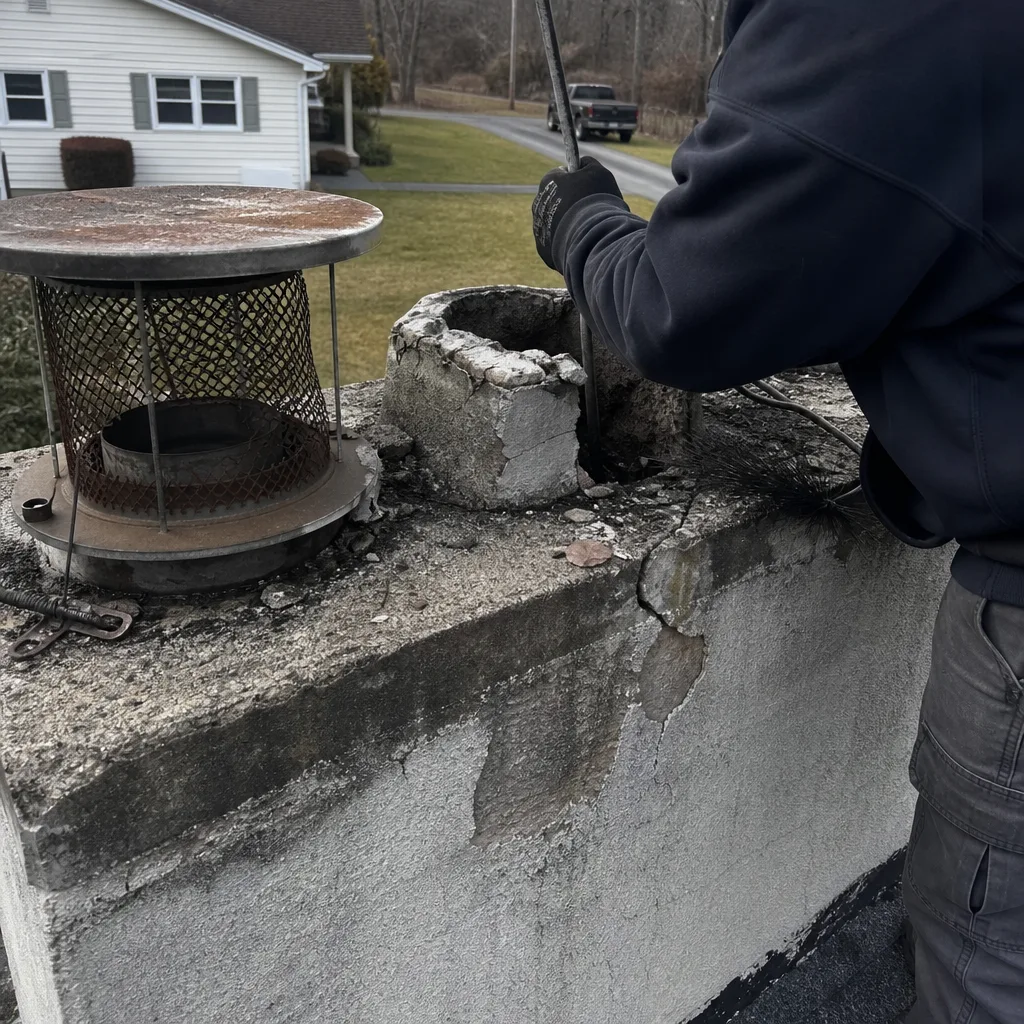 Before
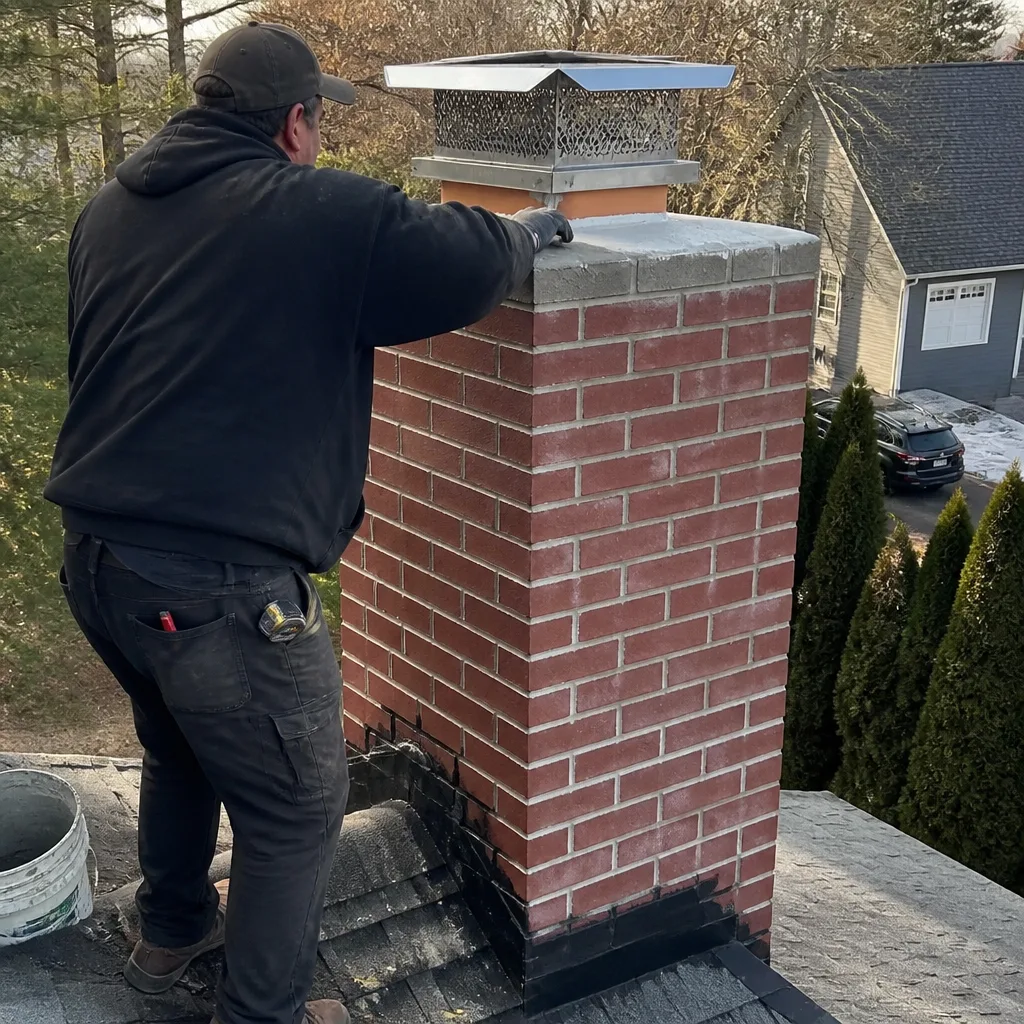 After
After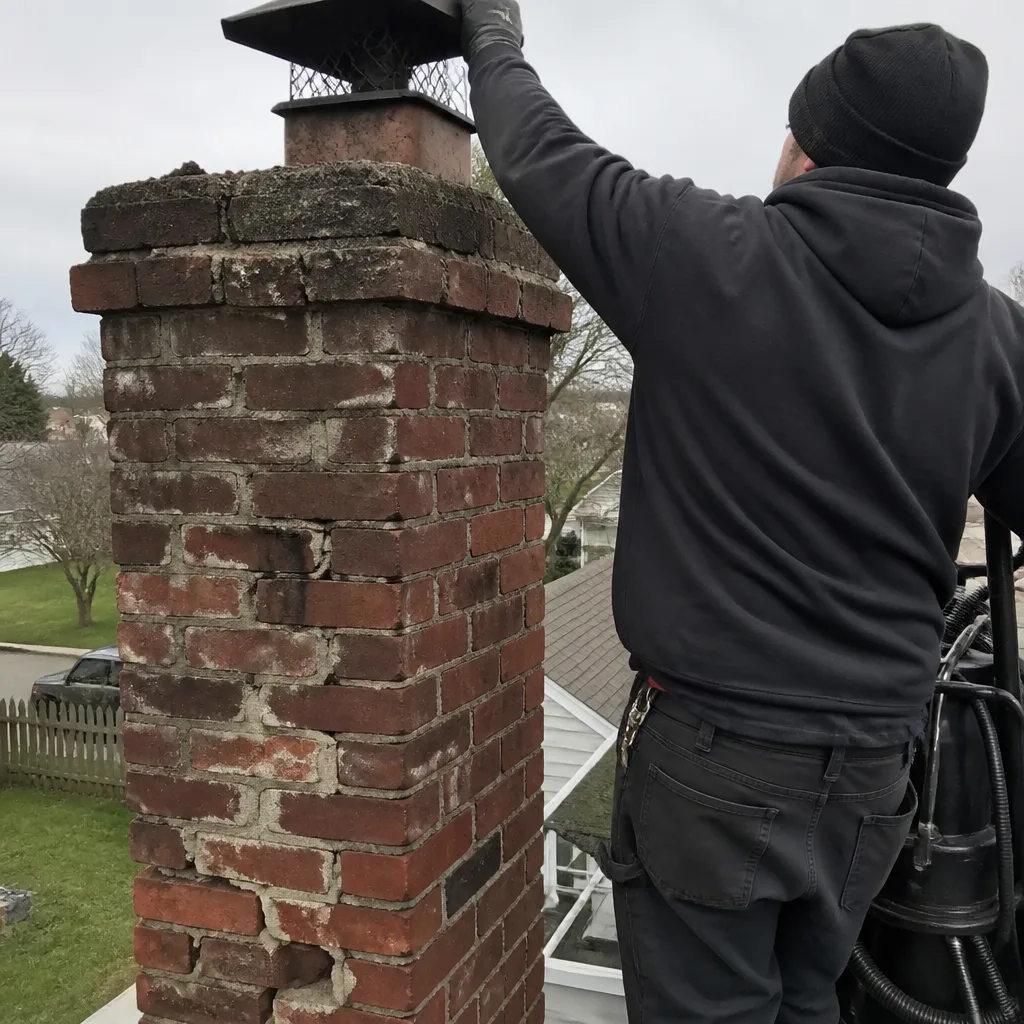 Before
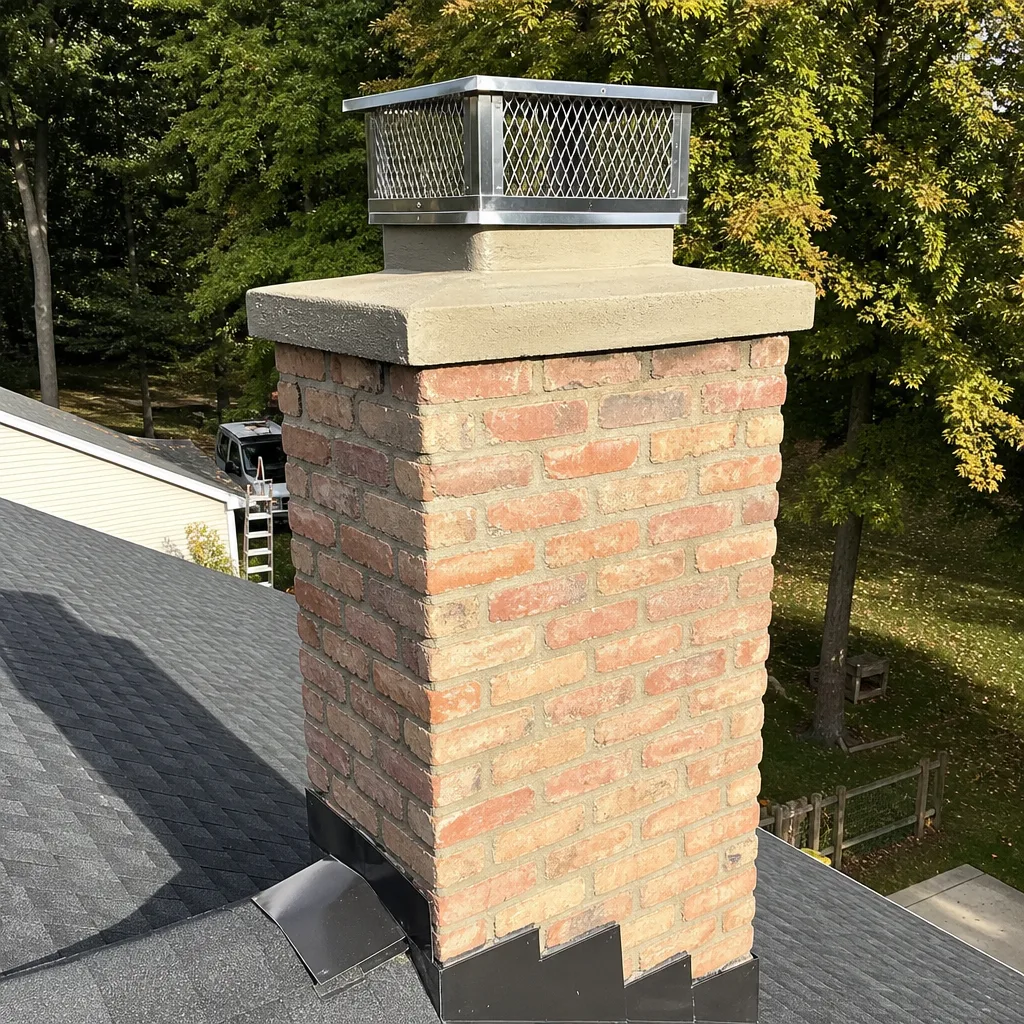 After
After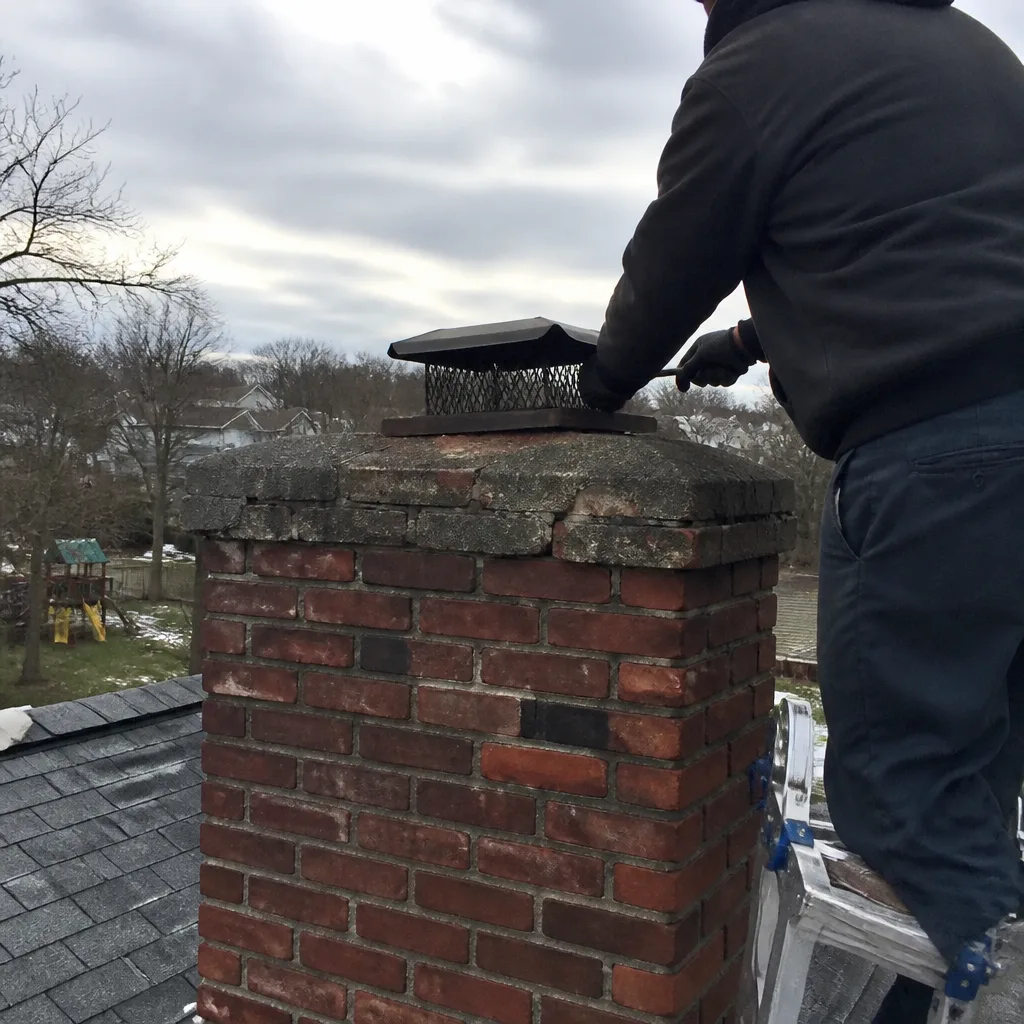 Before
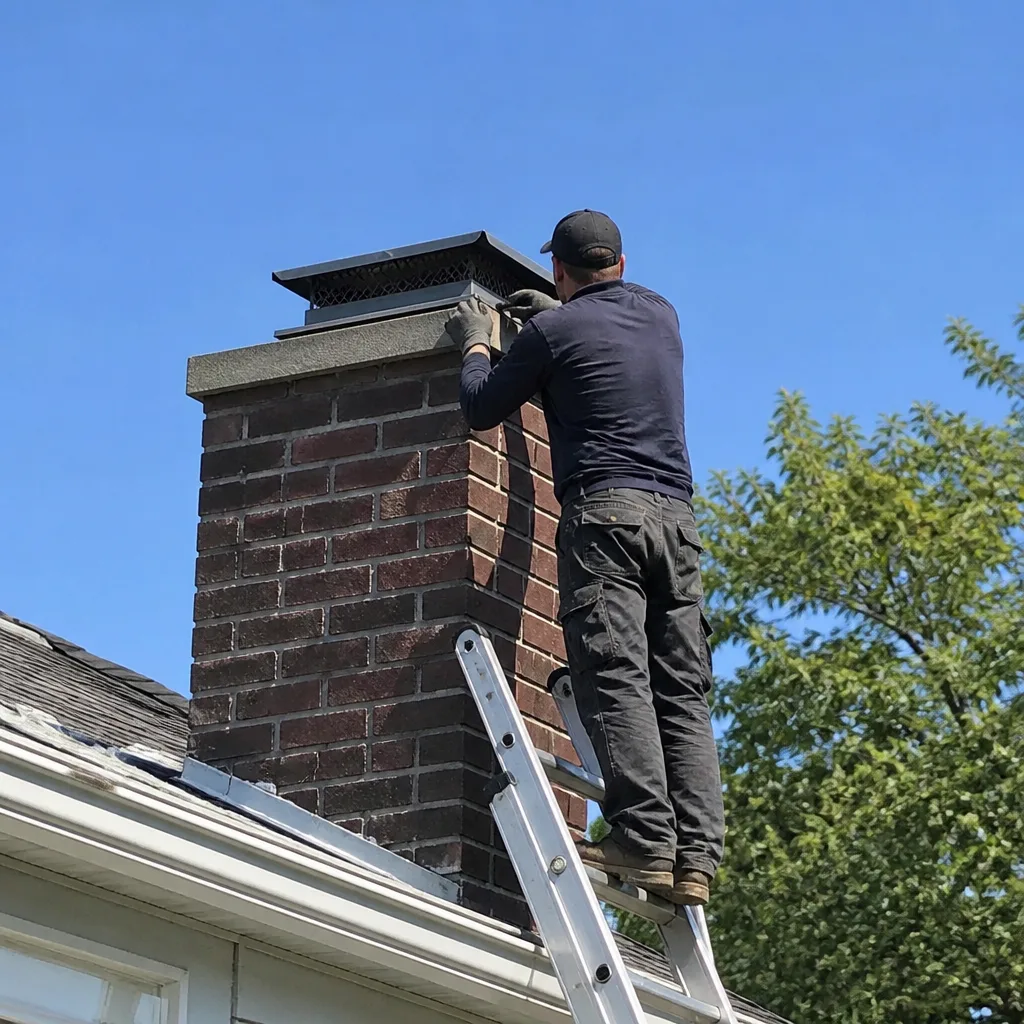 After
AfterChimney Cleaning Warning Signs: A Easton Homeowner’s Reference Guide
A chimney fire doesn’t announce itself with flames shooting from the top. In most cases, it sounds like a low rumble or distant train, lasts less than three minutes, and leaves damage that isn’t visible until the next inspection. We’ve been sweeping chimneys in Easton for over 42 years, and the homeowners who call us after a fire almost always say the same thing: “We didn’t know anything was wrong.” This guide-along with our Complete Guide to Chimney Cleaning in Easton-teaches you to read the quiet signals your chimney sends before it becomes a problem you can’t ignore. You’ll learn the seven interior warning signs, what different odors and draft patterns actually mean, how to spot exterior deterioration from the ground, and how to tell the difference between normal aging and “do not use this fireplace today.”
Quick Answer
The most important chimney cleaning warning signs for Easton homeowners are: visible creosote buildup thicker than 1/8 inch inside the firebox or damper, smoke that doesn’t draft properly even with a cold flue, persistent sulfur or tar odors when the fireplace isn’t in use, exterior brick efflorescence or spalling, and any cracks in the firebox or smoke chamber. These signals indicate either a cleaning is overdue or structural repair is needed, and they worsen faster in Easton’s freeze-thaw climate. A Level-2 camera inspection with photo documentation is the only way to know which problem you have and how urgent it is.
Table of Contents
- Seven Interior Warning Signs You Can Spot Yourself
- What Draft Problems and Odors Actually Tell You
- Exterior Warning Signs: Reading Your Chimney from the Ground
- Normal Aging vs. Dangerous Deterioration
- What Proper Inspection Documentation Looks Like
- How Easton’s Climate and Housing Stock Affect Your Chimney
- What Addressing Warning Signs Costs in Easton
- Common Mistakes to Avoid
- When to Call a Professional
- Frequently Asked Questions
Seven Interior Warning Signs You Can Spot Yourself
You don’t need a ladder or special equipment to catch most chimney problems early. These are the seven signs we look for first when a homeowner in Easton calls with concerns, and you can check every one of them from inside your house.
1. Creosote buildup thicker than 1/8 inch. Open the damper and shine a flashlight up the flue. If you see a black, crusty, or shiny tar-like coating on the walls, measure it with a pencil eraser for scale. Stage 1 creosote is flaky and dusty. Stage 2 is hard and shiny, like hardened syrup. Stage 3 is thick, tarry, and glazed. Stage 2 and 3 cannot be removed with a standard brush; they require rotary equipment and chemical treatment. In Easton, where homeowners often burn hardwoods from local suppliers, we see stage 2 buildup accelerate when the wood isn’t seasoned below 20% moisture.
2. Smoke stains above the firebox opening. Black or brown discoloration on the mantel or surrounding wall means smoke is escaping into the room instead of rising through the flue. This can indicate a blocked flue, a damaged smoke chamber, or negative pressure in tightly sealed modern homes. In College Hill’s older Victorians with original fireplaces, we also see this when a previous owner installed a gas insert without properly sizing the liner.
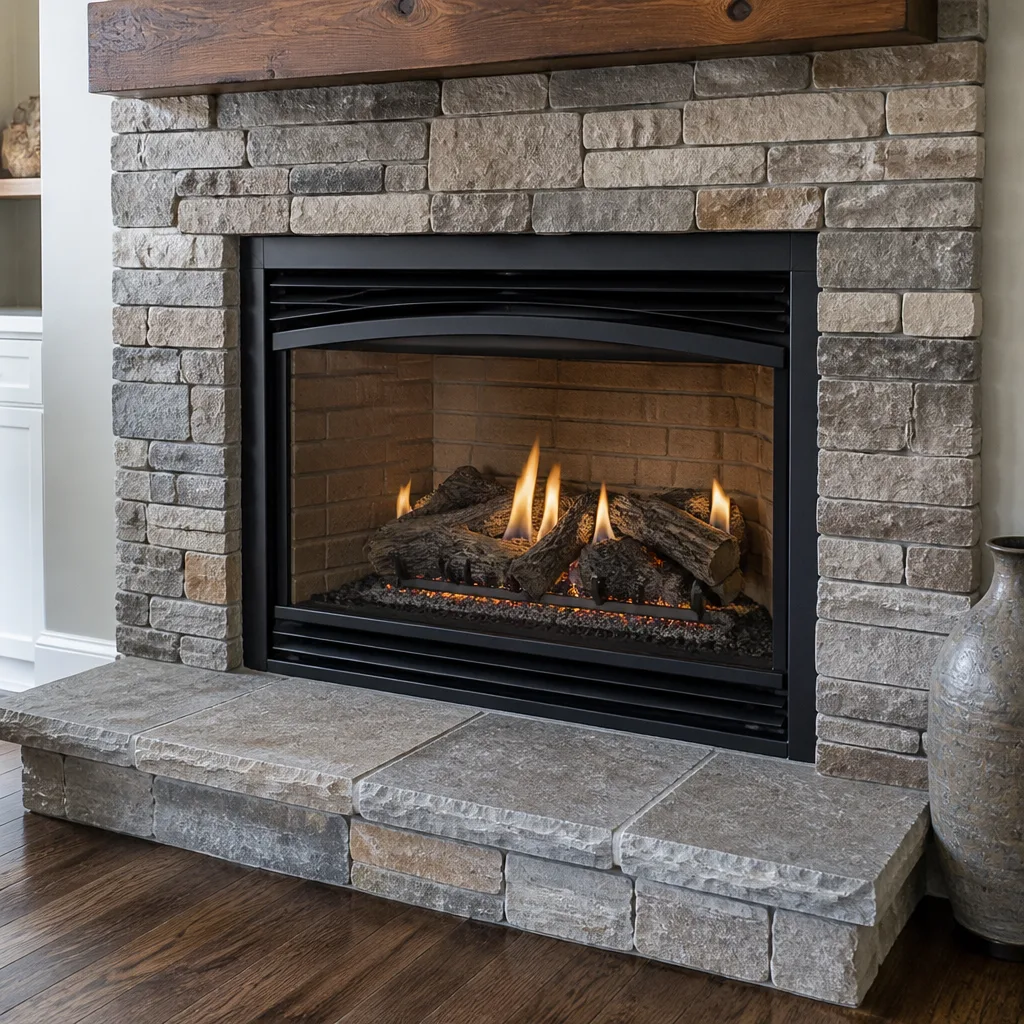
3. Cracked or deteriorating firebrick. Look for gaps between bricks, spalling surfaces (where the face of the brick flakes off), or mortar that’s turned to sand. Small hairline cracks from thermal expansion are normal. Cracks wider than 1/16 inch, or any crack that runs through multiple bricks, allow heat to reach combustible framing. We replaced fireboxes in three Easton homes last season where cracks had been “watched” for years.
4. Damper that won’t open fully or seal properly. A damper that sticks, squeals, or leaves a visible gap when closed is more than an annoyance. It wastes heated air in winter and can allow rainwater and animals into the flue. In our experience, dampers in homes near the Lehigh River corrode faster due to higher humidity.
5. Debris or animal nesting material in the firebox. Twigs, leaves, or insulation falling into the fireplace mean something has breached the cap or crown. Squirrels and raccoons are active year-round in Easton’s tree-lined neighborhoods. A blocked flue is a carbon monoxide risk every time you burn.
6. Water in the firebox or rust on the damper. Even a small puddle after rain indicates a crown crack, flashing failure, or missing cap. Rust on the damper mechanism means water has been entering long enough to cause corrosion. Both problems worsen rapidly through Easton’s freeze-thaw cycles.
7. A smoke chamber with corbelled steps or exposed mortar joints. The smoke chamber is the area above the damper that funnels smoke into the flue. In older Easton homes, especially in the West Ward and Downtown historic districts, these were often built with corbelled brick that creates turbulence and creosote accumulation. A smooth, parged smoke chamber is safer and more efficient. You can check this by shining a flashlight upward from the firebox; if you see ledges and corners rather than a smooth funnel, your smoke chamber needs attention.
Any two of these signs together mean you should stop using the fireplace until a professional inspection. One sign alone warrants scheduling a sweep within the season.
What Draft Problems and Odors Actually Tell You
Your chimney communicates through smell and air movement. Learning to read these signals prevents small problems from becoming expensive ones.
Sulfur or rotten-egg smell when the fireplace is cold. This indicates moisture mixing with creosote deposits, producing acidic compounds that corrode metal liners and deteriorate mortar. In Easton, we see this most often in spring after a wet winter, particularly in chimneys without proper caps. The smell intensifies on humid days. Left untreated, this moisture-acid combination can destroy a stainless steel liner in under five years.
Wet campfire or musty odor. This means water is entering the system and saturating ash or creosote residue. The source is usually a cracked crown, deteriorated flashing where the chimney meets the roof, or a missing or damaged cap. In South Side Easton, where many homes have shallow-pitch roofs that shed water slowly, flashing deterioration is the most common cause we find.
Sharp, chemical or asphalt-like tar smell. This is stage 3 glazed creosote, and it means a chimney fire has likely already occurred or is imminent. The smell is concentrated hydrocarbons that have reached their vaporization point. If you notice this, do not use the fireplace. We’ve inspected chimneys in the Forks Township area where homeowners had been smelling this for weeks without realizing the danger.
Draft that reverses on windy days. This points to an improperly sized flue, a missing or inadequate chimney cap, or surrounding trees or buildings that create pressure eddies. Easton’s location in the Lehigh Valley means prevailing winds from the northwest can exacerbate this problem. A draft that works fine in calm weather but fails in wind needs a cap designed for wind resistance, not just a standard rain cover.
Draft that fails only when the furnace or dryer runs. This is negative pressure in a tightly sealed house. Modern weatherization, common in renovated Easton homes, can make chimneys backdraft when mechanical systems compete for air. The solution is usually a dedicated outside air supply or a power vent, not a chimney repair, but the diagnosis requires testing with the house under normal operating conditions.
Slow startup: smoke in the room for the first 10-15 minutes. Cold, dense air in an exterior chimney needs preheating before it will rise. This is normal in very cold weather. But if it persists beyond 15 minutes or occurs in mild weather, the flue may be partially blocked, oversized for the appliance, or suffering from liner deterioration that roughens the surface and increases friction.
Document when you notice each odor or draft pattern. Seasonal patterns help us diagnose faster when you call.
Exterior Warning Signs: Reading Your Chimney from the Ground
You don’t need to climb your roof. These five exterior indicators are visible from your yard or with binoculars from a second-floor window, and they reveal problems that interior signs may not yet show.
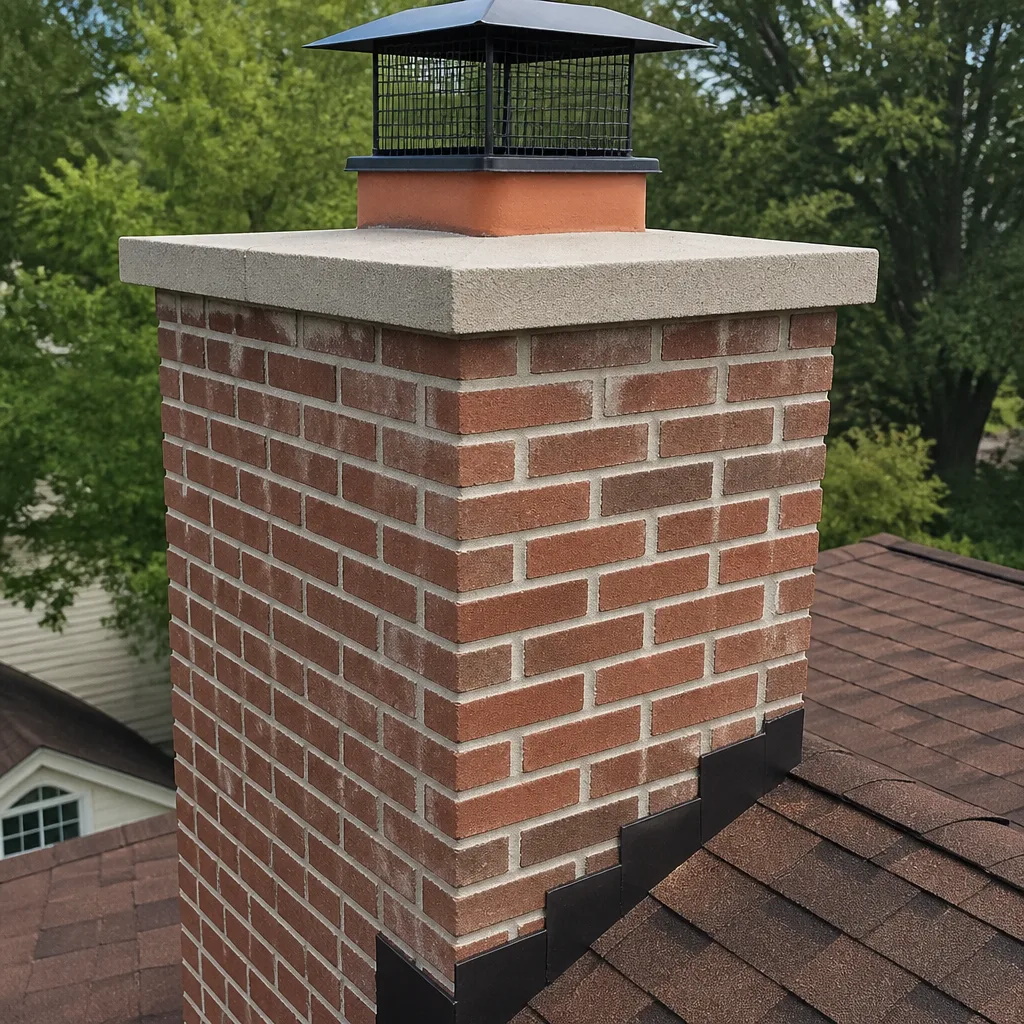
Efflorescence: white, powdery deposits on brick. This is mineral salts left behind when water moves through masonry and evaporates. It means water is entering the brick structure, either from a failed crown, deteriorated mortar joints, or porous brick. In Easton, where many homes were built with soft, porous brick common to the region’s historic construction, efflorescence appears faster than in areas with harder stone. It’s not merely cosmetic; each cycle of wetting and drying expands and contracts the brick, accelerating deterioration. We’ve repointed chimneys in the Historic District where efflorescence had been present for three years before the homeowner realized it signaled structural water damage.
Spalling: brick faces that flake, pop, or crumble. This is efflorescence’s successor. Water freezes inside the brick, expands, and fractures the surface. Spalled brick loses its protective hard layer and deteriorates exponentially faster. In Easton’s climate, with 20-30 freeze-thaw cycles typical each winter, a spalled chimney can require partial rebuild within two to three years if not addressed. Look for rounded, pitted, or missing brick faces, especially on the north and east sides that stay wet longest.
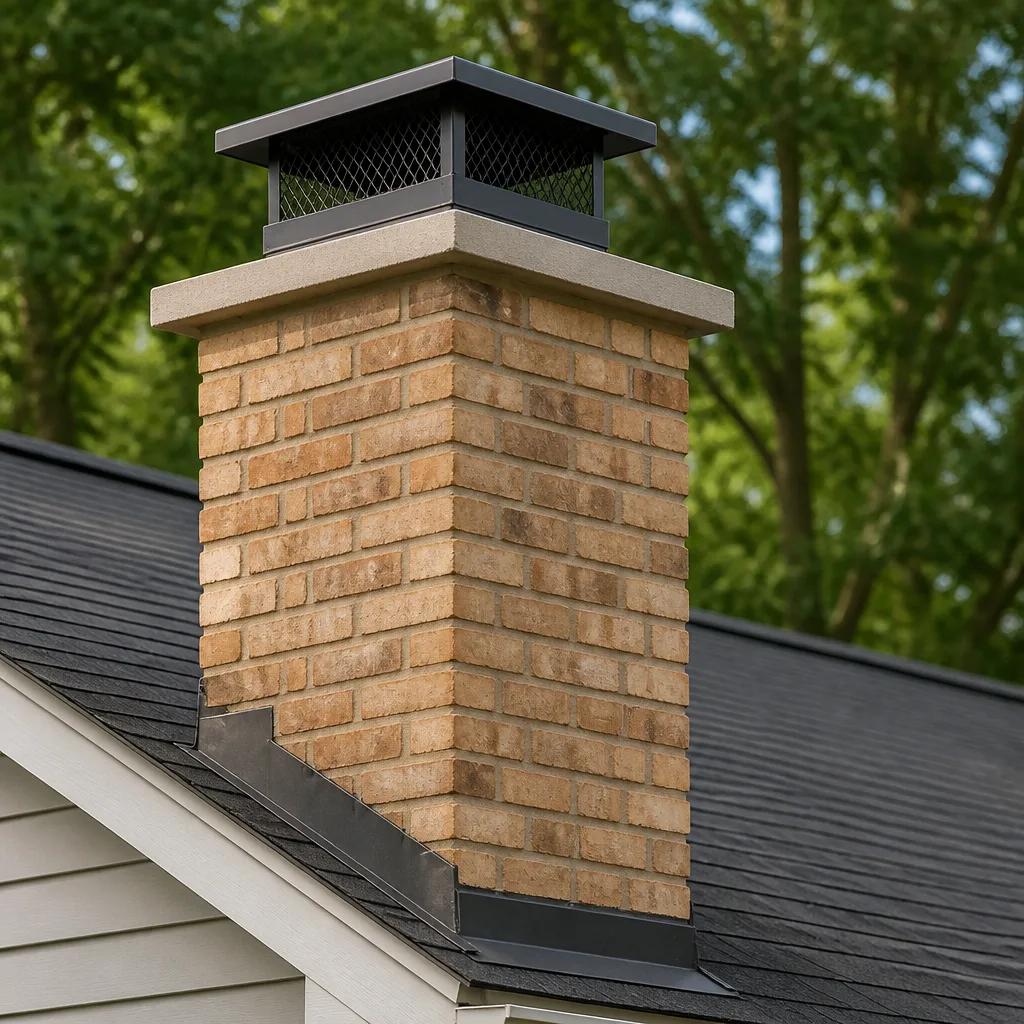
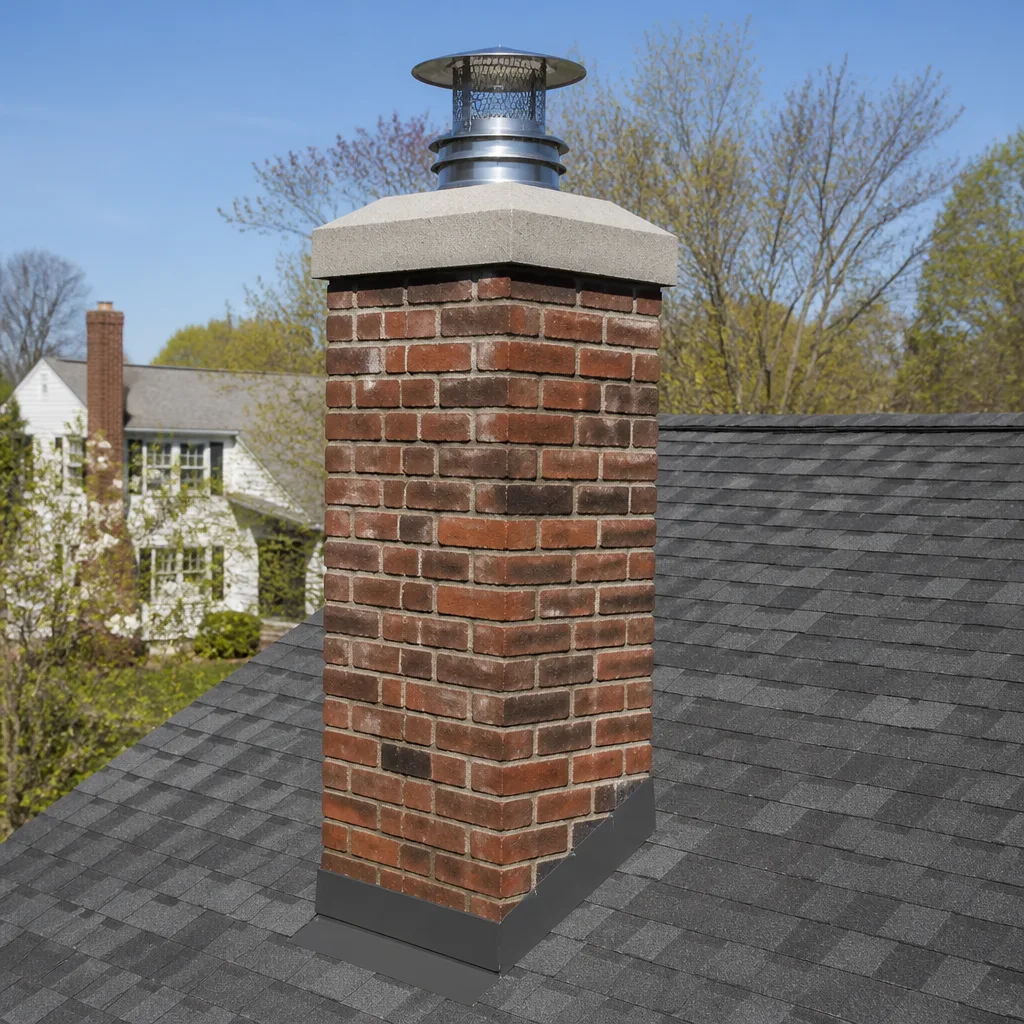
Crown cracks or deterioration. The crown is the concrete slab that seals the top of the chimney, shedding water away from the flue. A proper crown has a drip edge and slopes away from the flue. Hairline cracks are normal after the first few years. Cracks wider than 1/8 inch, or any crack that runs to the flue edge, allow water directly into the chimney structure. In our inspections, we find that crowns installed without expansion joints crack predictably within five years, a common shortcut we see in Easton homes built during the 1980s and 1990s.
Cap damage or absence. A proper chimney cap covers the flue opening with mesh sides that keep animals and debris out while allowing smoke to escape. Missing caps are immediately visible. Less obvious: caps with rusted or detached mesh, caps that are undersized and allow rain around the edges, or caps installed without proper clearance above the flue opening. After severe weather, we find caps displaced or damaged in neighborhoods throughout the Easton area, from College Hill to the newer developments near Route 248.
Flashing gaps or lifting. The metal where chimney meets roof is the most common leak point. Look for gaps, lifted edges, or caulking that has dried and separated. From the ground, you may see daylight through the joint or shingles that are curling near the chimney. In Easton’s older homes with multiple roof layers, flashing is often buried under shingles rather than properly step-flashed, creating hidden water paths.
Exterior problems always worsen faster than interior ones because they’re exposed to weather continuously. A chimney that looks sound from inside can have significant exterior deterioration.
Normal Aging vs. Dangerous Deterioration
Every chimney ages. The question is whether what you’re seeing is the slow, predictable wear of a masonry structure, or the accelerated deterioration that precedes failure. Here’s how we distinguish them in Easton homes.
Normal: Hairline mortar cracks in a pattern that follows the joints. Thermal expansion and contraction cause these in every chimney. They’re typically hairline-width, don’t admit a fingernail, and don’t widen over a single season.
Dangerous: Cracks that run through bricks, stair-step diagonally across courses, or widen measurably within a year. These indicate structural movement, freeze-thaw damage, or foundation settlement. In Easton’s clay soils, especially in areas near Bushkill Creek where groundwater fluctuates, we’ve seen chimneys tilt or separate from the house over time. Stair-step cracks demand immediate professional evaluation.
Normal: Slight mortar erosion, 1/4 inch or less from the joint face. This is expected over decades of weather exposure.
Dangerous: Mortar joints recessed more than 1/2 inch, or mortar that crumbles when touched. This exposes brick edges to accelerated weathering and compromises structural integrity. We call this “repointing needed” when more than 10% of joints show this deterioration.
Normal: A thin layer of soot that wipes off with a finger. This is residue from normal combustion.
Dangerous: Buildup that is thick, shiny, or tar-like; or soot that contains hard, porous chunks. This is creosote, and its presence in any significant quantity means the chimney is not venting properly or the fuel is unseasoned. Stage 2 and 3 creosote are fire hazards regardless of thickness.
Normal: Minor rust staining on a galvanized metal cap after 10+ years.
Dangerous: Rust on stainless steel components, or rust streaks running down the chimney face. Stainless steel shouldn’t rust. If it does, it’s either not truly stainless (a common substitution) or water is reaching it from a source above. Rust streaks on masonry indicate active, significant water intrusion.
The “do not use” threshold: We tell homeowners to stop using a fireplace immediately when we find any of the following: a cracked or displaced flue liner visible from the firebox; smoke stains on combustible framing in the attic; a tilting chimney with separated mortar joints; or a damper that cannot fully open. These conditions present immediate fire or carbon monoxide risks. We’ve made this call in homes across Easton, from 19th-century center-hall colonials to 1970s split-levels, and in every case, the homeowner was grateful for plain information without pressure. If you’re weighing whether to tackle maintenance yourself, see our DIY vs Professional Chimney Cleaning guide.
What Proper Inspection Documentation Looks Like
Not all chimney inspections are equal. The difference between a cursory look and a proper evaluation matters enormously when you’re deciding whether to spend money on repairs. Here’s what you should receive, and why it protects you.
A Level-2 inspection, which is what we perform for every chimney cleaning and evaluation in Easton, includes video scanning of the flue interior. The technician inserts a camera on a flexible rod and records the entire flue surface, from the smoke chamber to the cap. You should receive still photos or video of: the flue liner condition, with any cracks, gaps, or deterioration marked; the smoke chamber profile; the damper mechanism; and the crown and cap from above.
These photos are not for our records. They’re for you to see what we see, and to compare year over year. When we document stage 2 creosote buildup, you see the glazed, bubbled surface. When we find a cracked liner, you see the gap and its location. This eliminates the trust problem that makes homeowners hesitate: the fear of being sold unnecessary work.
Your documentation should also include a written report with: the type of heating appliance and its proper clearances; the flue dimensions and whether they’re properly matched to the appliance; the condition rating of each component (sound, repair needed, or replace); and specific recommendations with priority levels. For more guides & resources on keeping your chimney safe, visit our blog.
Be wary of any sweep who gives a verbal summary without photos, or who shows you a generic diagram instead of your actual chimney. We’ve been called to second-opinion inspections in Easton where the previous “inspector” never entered the attic or roof, and missed obvious problems. Our chimney repair work begins with documentation you can verify yourself.
The 90-Day Done Right Promise governs every job we document. If the photos don’t match the work performed, or if a problem we missed appears within 90 days, we return without argument. In writing, no arguing.
How Easton’s Climate and Housing Stock Affect Your Chimney
Easton’s specific conditions create chimney problems that don’t occur the same way in other parts of Pennsylvania. Understanding these local factors helps you anticipate maintenance needs.
Freeze-thaw cycles. Easton averages 20-30 freeze-thaw events each winter, with temperatures oscillating above and below 32°F. Each cycle pumps water deeper into masonry pores and expands it. Chimneys with even minor crown cracks or porous brick absorb this damage faster than in more stable climates. We schedule more crown repairs and repointing work in February and March than any other months, as homeowners discover winter damage during spring cleaning.
Historic masonry. Many of Easton’s most desirable neighborhoods, College Hill and the Downtown Historic District especially, contain homes built with soft, absorbent brick fired from local clay. This brick is architecturally authentic but less durable than modern hard-fired brick. It requires more frequent repointing with compatible lime-based mortar, not standard Portland cement mixes that trap moisture. We’ve restored chimneys in these neighborhoods where previous contractors used inappropriate materials, accelerating deterioration.
Proximity to the Lehigh and Delaware Rivers. Higher humidity in river-adjacent areas, particularly South Side and the neighborhoods near Hugh Moore Park, increases condensation inside cool flues. This moisture mixes with creosote to form acidic compounds. Stainless steel liners in these areas should be inspected more frequently, and we often recommend insulated liners to keep flue gases above the condensation point.
Mixed housing ages and renovation histories. Easton has original 18th-century fireplaces, 1950s ranch chimneys, and everything between. Many have been modified by previous owners: gas inserts installed without proper liners, wood stoves connected to oversized flues, or multiple appliances vented into a single chimney. Each configuration has specific code requirements, and many older modifications don’t meet current standards. Our inspections always include verification that the current configuration matches what was originally permitted and what code now requires.
Local wood supply and burning habits. Easton homeowners often burn hardwoods from Pennsylvania suppliers, which is appropriate when properly seasoned. But “seasoned” is often claimed at 12 months when 18-24 months is needed for oak and hickory. We see accelerated creosote in chimneys where the wood moisture content exceeds 25%. A moisture meter costs $25 and prevents significant problems.
What Addressing Warning Signs Costs in Easton
Cost information helps you budget and evaluate whether a quote is reasonable. These ranges reflect our experience in the Easton market for standard residential chimneys; unusual heights, access problems, or historic preservation requirements may increase costs.
| Service | Typical Range in Easton | What Affects Price |
|---|---|---|
| Level-2 inspection with camera and photo report | $250-$400 | Number of flues, roof access difficulty |
| Standard chimney sweep (single flue, stage 1 creosote) | $200-$300 | Height, accessibility, amount of debris |
| Heavy creosote removal (stage 2-3, rotary equipment) | $400-$700 | Thickness, flue length, chemical treatment needed |
| Crown repair or rebuild | $600-$1,800 | Size, accessibility, need for forming and reinforcement |
| Repointing (tuckpointing) deteriorated mortar | $15-$35 per square foot | Height, scaffold needs, mortar type (lime vs. Portland) |
| Stainless steel liner installation | $2,500-$4,500 | Flue length, diameter, insulation requirements, number of bends |
| Firebox repair or rebuild | $1,200-$3,500 | Extent of damage, refractory panel vs. brick rebuild |
| Chimney cap installation (standard stainless) | $250-$500 | Size, mesh specification, wind resistance features |
| Smoke chamber parging | $1,500-$3,000 | Chamber size, access, material (cementitious vs. refractory) |
These are upfront prices, agreed before work begins. The number on the estimate is the number on the invoice. For repairs over $250, our standing $50 discount applies. Seniors and veterans receive 5% off all services. If you’ve received another written estimate, we’ll provide a free second opinion with no obligation.
The cost of ignoring warning signs is what this guide is designed to prevent. A $250 sweep that removes stage 1 creosote avoids the $600 heavy removal. A $600 crown repair avoids the $3,000+ partial rebuild. A documented inspection that catches a cracked liner early prevents the chimney fire that destroys the liner and damages surrounding structure. We’ve seen all of these progressions in Easton homes, and in every case, the homeowner wished they’d acted on the early signal.
Common Mistakes to Avoid
- Assuming a chimney that “looks fine” doesn’t need inspection. Most dangerous chimney conditions are not visible from the firebox or ground. The flue liner, smoke chamber, and interior structure require camera evaluation. We’ve found cracked liners in chimneys that appeared pristine from below.
- Using the fireplace “just once more” after noticing a warning sign. This is how chimney fires happen. The sign you noticed is the system’s last warning before failure. In Easton’s older housing stock, where framing is often closer to the chimney than modern code allows, the margin for error is smaller.
- Hiring based on the lowest price without verifying what’s included. A “$99 sweep” that doesn’t include a Level-2 inspection, photo documentation, or proper debris containment is not comparable to a thorough service. We’ve been called to repair damage caused by inexperienced sweeps who missed obvious problems or damaged components during cleaning.
- Using chemical logs or DIY creosote removers as a substitute for sweeping. These products can reduce light buildup but do not remove significant creosote deposits. They can also create a false sense of security that delays proper maintenance. Stage 2 and 3 creosote requires mechanical removal.
- Ignoring seasonal patterns. Many Easton homeowners notice odors or draft problems in spring, when humidity rises, but delay calling until fall burning season. By then, moisture damage has progressed through another freeze-thaw cycle. Spring inspection and repair prevents fall emergencies.
- Accepting verbal recommendations without photo evidence. Any sweep who recommends significant work should show you exactly what they found. If they can’t or won’t, get a second opinion. Our fireplace services always include documentation you can review with us or keep for your records.
- Neglecting the chimney after switching to gas. Gas appliances produce different byproducts than wood, but they still require proper venting, intact liners, and clear flues. Corrosion from condensing flue gases is actually a more common problem in gas conversions than many homeowners realize, particularly in Easton’s humid river-valley climate.
When to Call a Professional
Call for an inspection when you notice any warning sign described in this guide, when you move into a home with an unknown chimney history, or when it’s been more than a year since your last professional evaluation. Call immediately if you experience a chimney fire, even a minor one; if you smell tar or chemical odors from the fireplace; or if you see visible cracks in the firebox or smoke chamber.
Do not attempt to evaluate or repair flue liners, crowns, or structural components yourself. These require proper equipment, training, and safety protocols. Falls from roofs and exposure to creosote dust are genuine hazards.
Hearthstone Chimney Co. offers free estimates in Easton. A live person answers our phones 24 hours a day, 7 days a week, and we’ll schedule your inspection at a time that works for you. Most jobs are completed in a single visit, with background-checked, uniformed technicians who explain what they find in plain English. Call (610) 756-1504 to schedule, or return to our Hearthstone Chimney Co. home page to learn more about our services.
Frequently Asked Questions
A standard chimney sweep for a single flue with stage 1 creosote typically costs $200 to $300 in Easton. Heavy creosote removal requiring rotary equipment runs $400 to $700. A Level-2 inspection with camera and photo report is $250 to $400 and should precede any sweep if the chimney history is unknown or warning signs are present. Call (610) 756-1504 for an exact quote - estimates are free.
The National Fire Protection Association recommends annual inspection for all chimneys, and sweeping when creosote buildup reaches 1/8 inch. For Easton homeowners who burn wood as primary heat, that usually means annual sweeping. Occasional users may extend to every two years if annual inspection shows minimal buildup. Gas fireplaces need annual inspection but typically less frequent sweeping. The specific schedule depends on your burning habits, fuel quality, and chimney configuration.
An unlined chimney or a liner with any crack, gap, or deterioration cannot be used safely. The liner protects combustible framing from heat and contains combustion byproducts. In Easton’s older homes, original clay tile liners may have cracked from thermal cycling or freeze-thaw damage. We document liner condition with camera photos and show you exactly what we found. If replacement is needed, we use professional-grade stainless steel liners from DuraFlex and specify proper insulation and sizing for your appliance. The work is covered by our 90-Day Done Right Promise.
Skipped maintenance leads to progressive creosote accumulation, which increases fire risk and eventually requires more expensive removal methods. Moisture intrusion causes mortar deterioration, brick spalling, and metal component corrosion. These problems compound: a cracked crown allows water that weakens mortar; weakened mortar allows gaps that accelerate creosote buildup; and accumulated creosote holds moisture that corrodes liners. The typical progression we see in Easton is three to five years of deferred maintenance leading to $2,500 to $5,000 in repairs that a $250 annual sweep would have prevented.
Summer chimney odors in Easton usually indicate moisture-creosote interaction or animal intrusion. High humidity mixes with creosote deposits to produce acidic, sulfur-smelling compounds. This is more common in river-adjacent neighborhoods and in chimneys without proper caps. A musty smell suggests water saturation of ash or debris. A foul, organic smell means an animal has entered and possibly died. All three conditions warrant inspection; the first two indicate maintenance needs, the third requires immediate cleaning for health reasons.
Exterior brick cracks require evaluation before use. Hairline mortar cracks are normal, but cracks through bricks, stair-step patterns, or gaps between chimney and house indicate structural movement that may have damaged the liner or created fire path risks. We’ve inspected Easton chimneys where exterior cracking concealed interior liner damage that would have allowed combustion gases into wall cavities. Schedule a Level-2 inspection with camera evaluation before using a fireplace with any significant exterior cracking.
The Bottom Line
Chimney warning signs are quiet by nature. The rumble of a chimney fire, the sulfur smell on a humid July afternoon, the white powder on brick that wasn’t there last year - these are your chimney’s vocabulary, and learning to read it prevents emergencies. In Easton’s specific climate and housing stock, freeze-thaw cycles, historic masonry, and river-valley humidity accelerate problems that develop slowly elsewhere. The seven interior signs, the diagnostic odors and draft patterns, and the five exterior indicators we’ve described give you a framework for observation. What you do with that observation matters: documented inspection with photo evidence, maintenance before problems compound, and repair based on what you can see rather than what you’re told. Done right, and we stand behind it. That’s the standard we’ve kept for over 42 years.
Written by Russell Haines, Owner at Hearthstone Chimney Co., serving Easton since 2014.