
Last updated September 10, 2026
Level 1 sweep and inspection to the NFPA 211 annual standard - flue, crown, cap, and flashing checked and photographed
Chimney sweep logs do not sweep chimneys. They loosen some creosote - which then falls where a brush and vacuum still have to collect it.
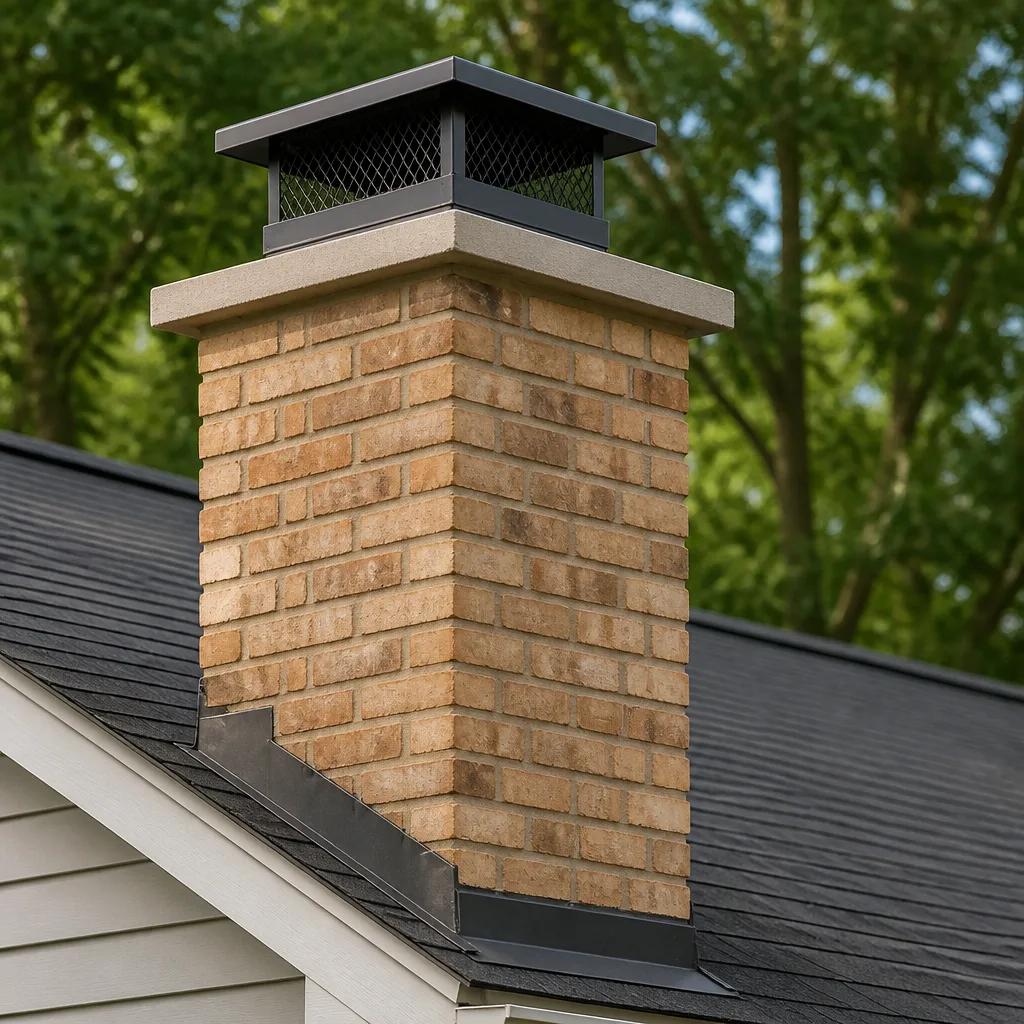
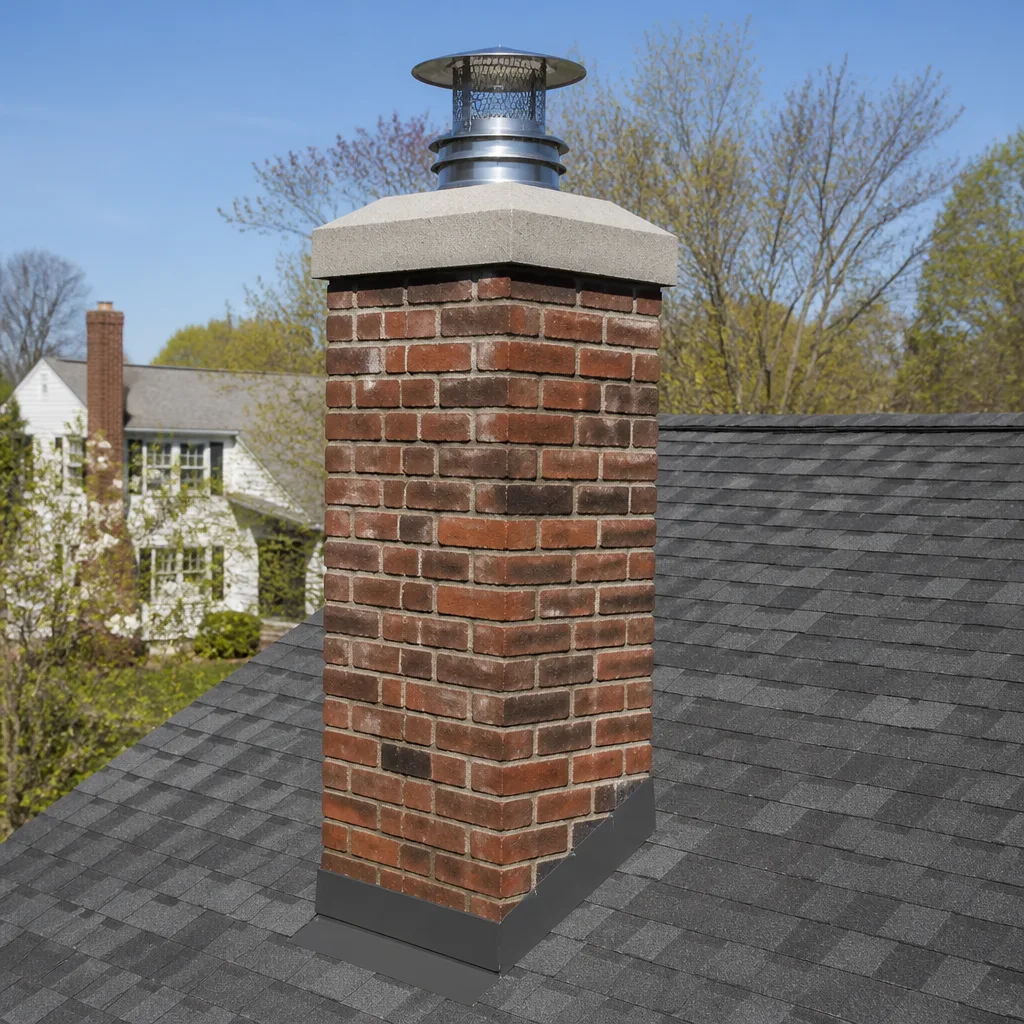
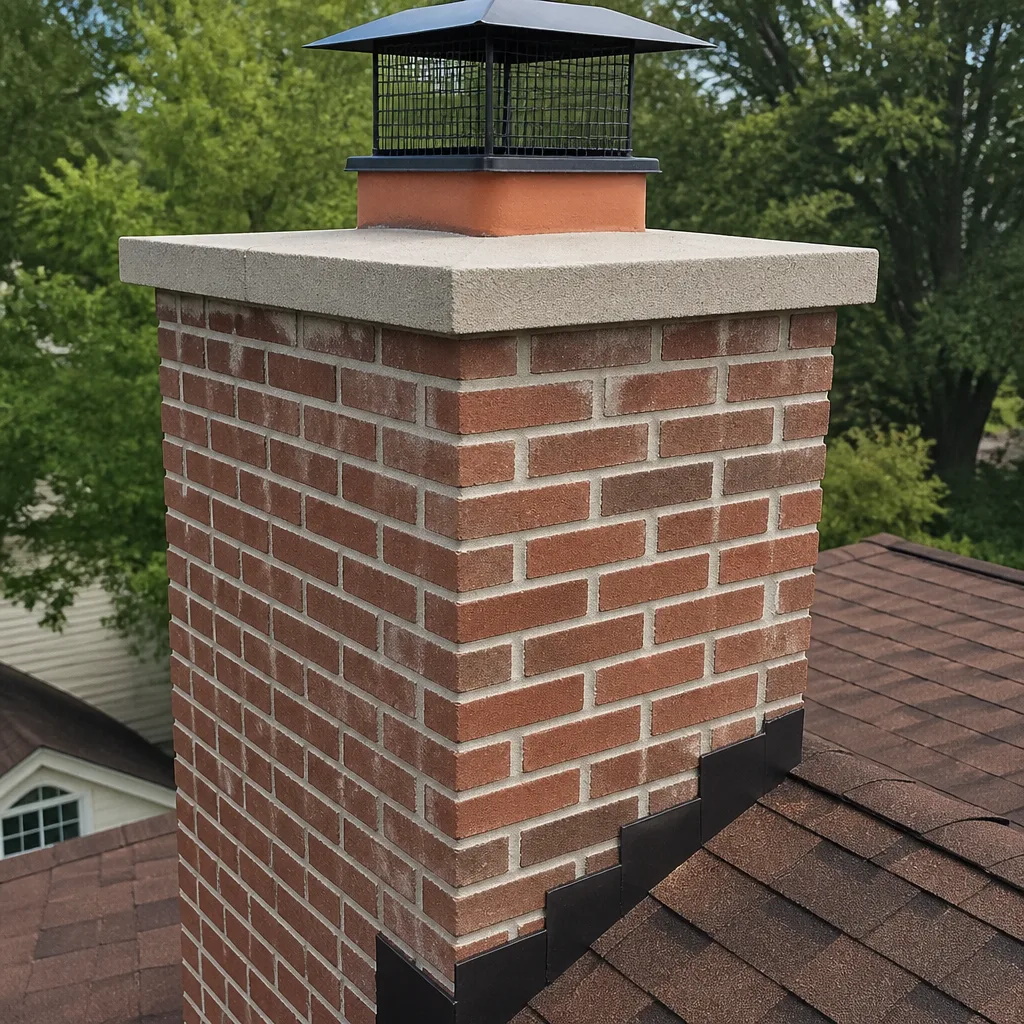
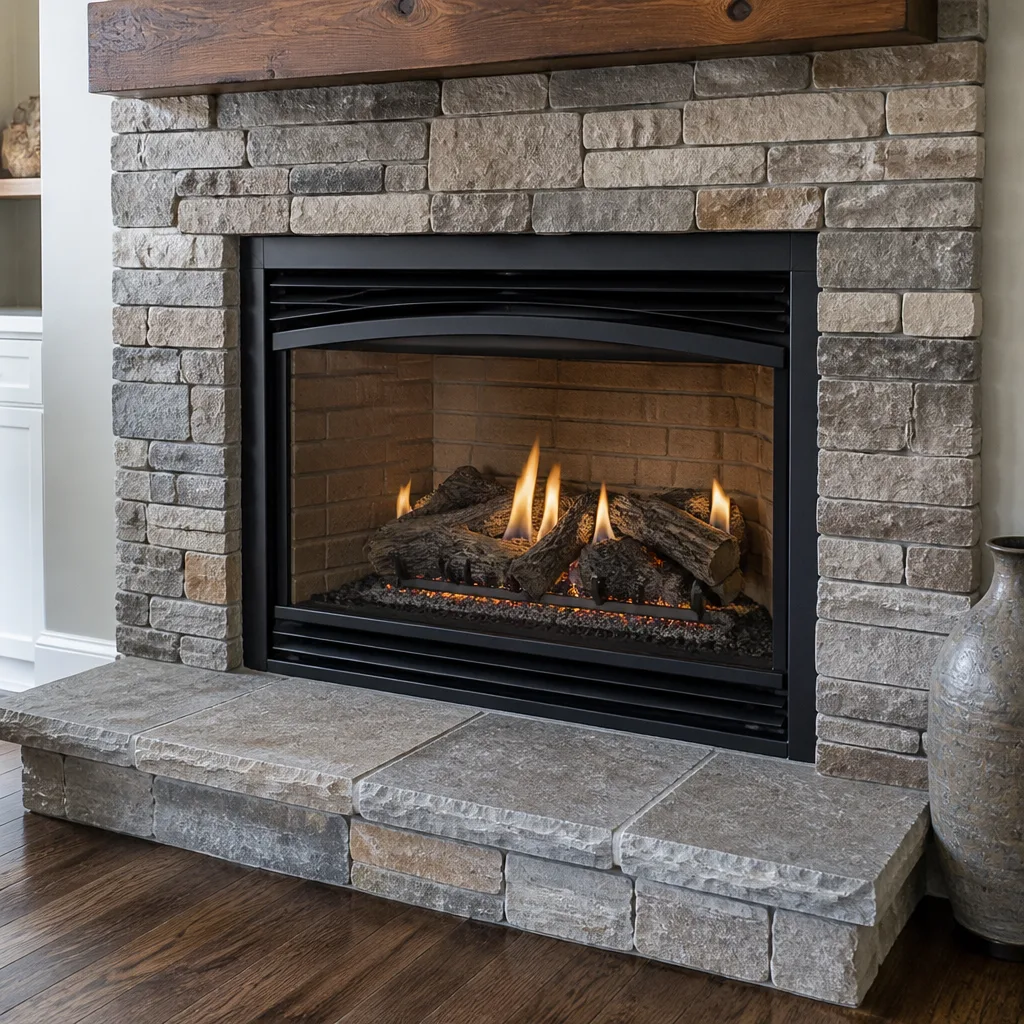
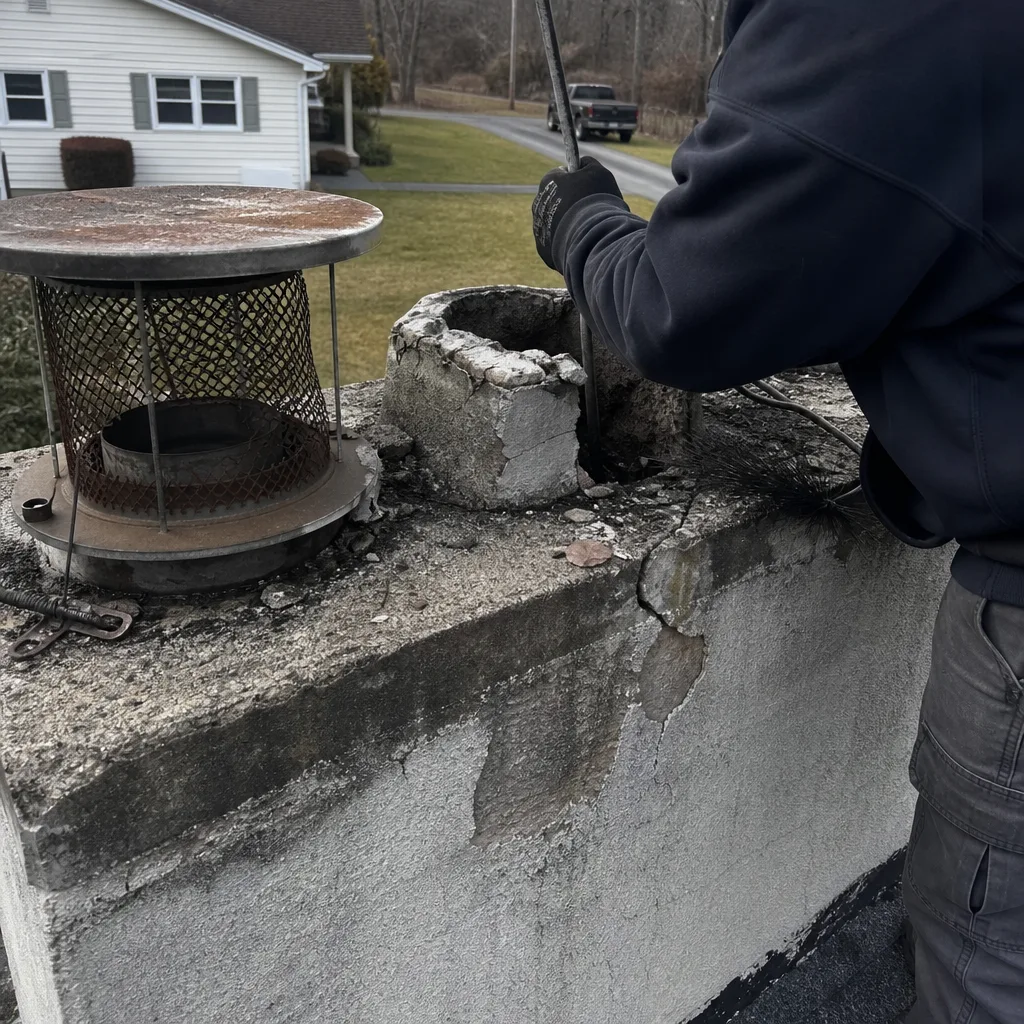 Before
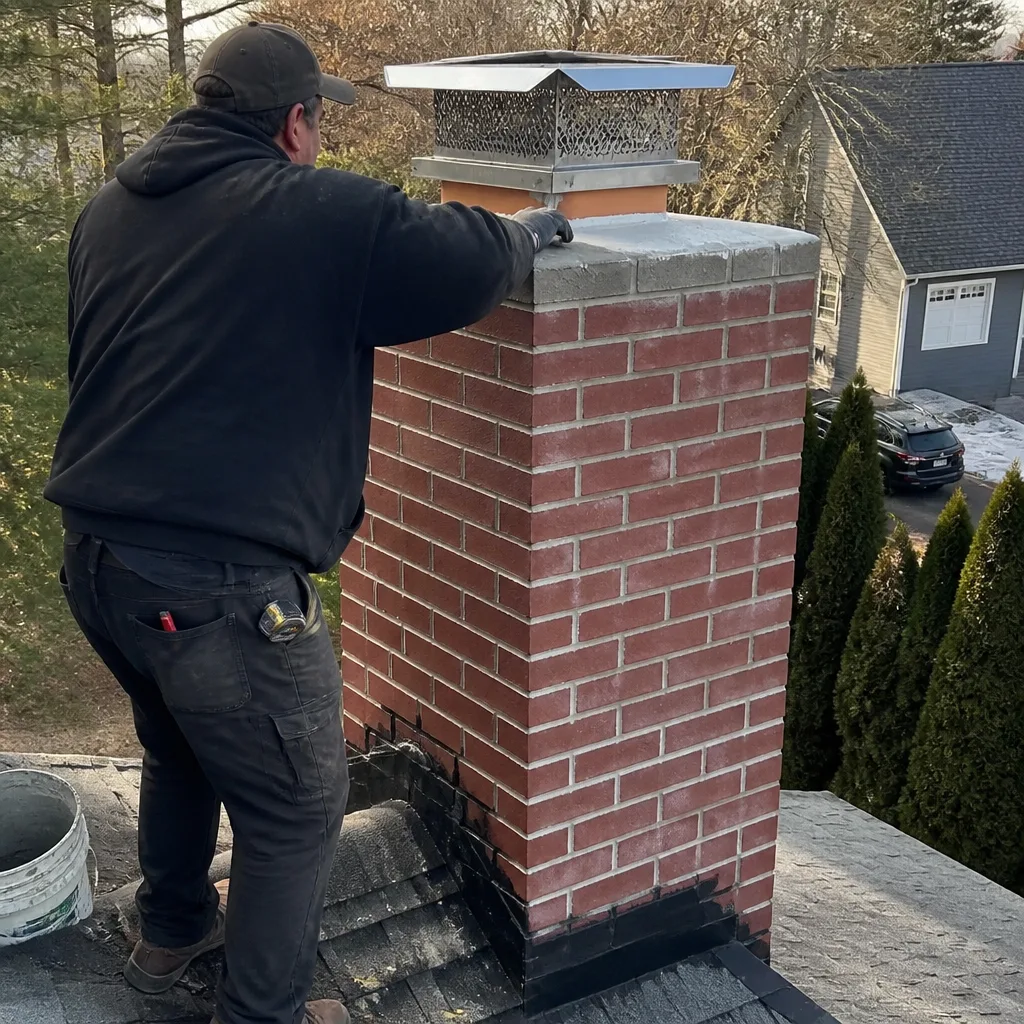 After
After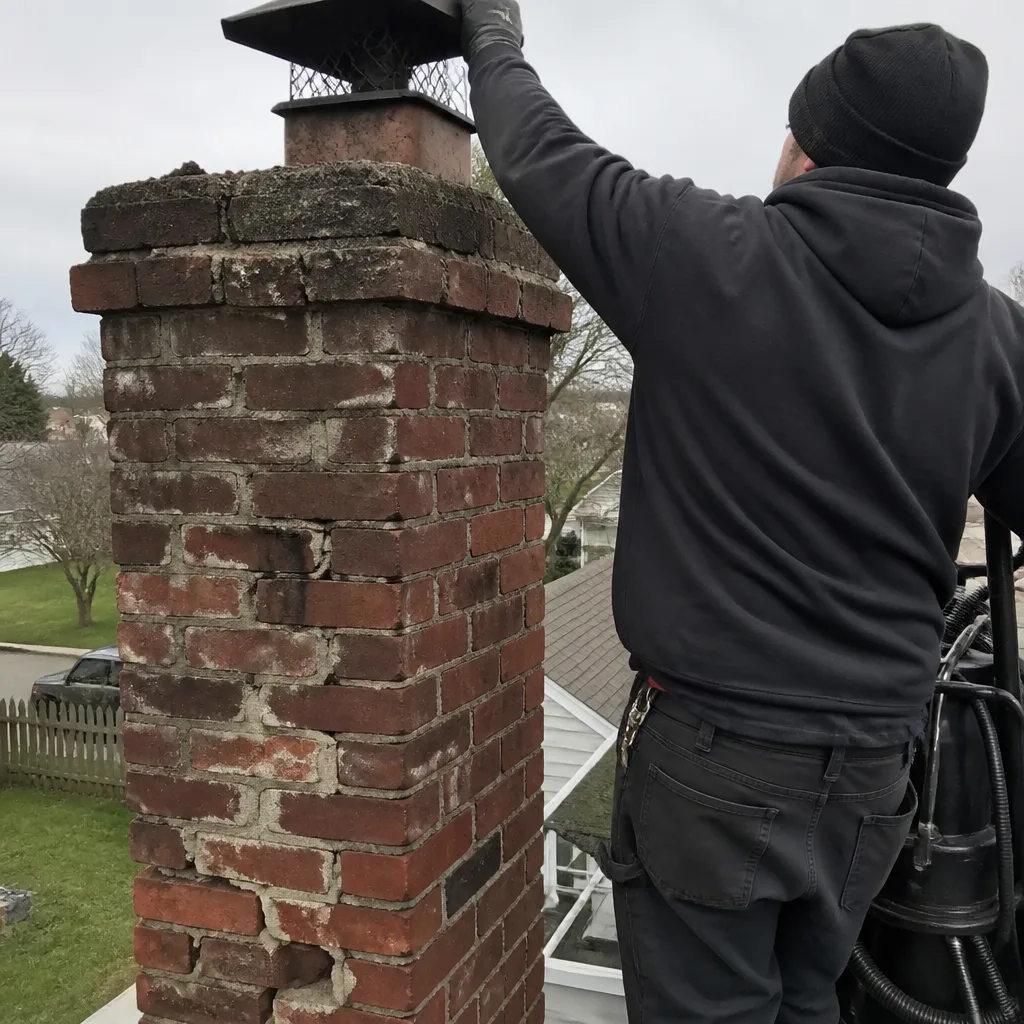 Before
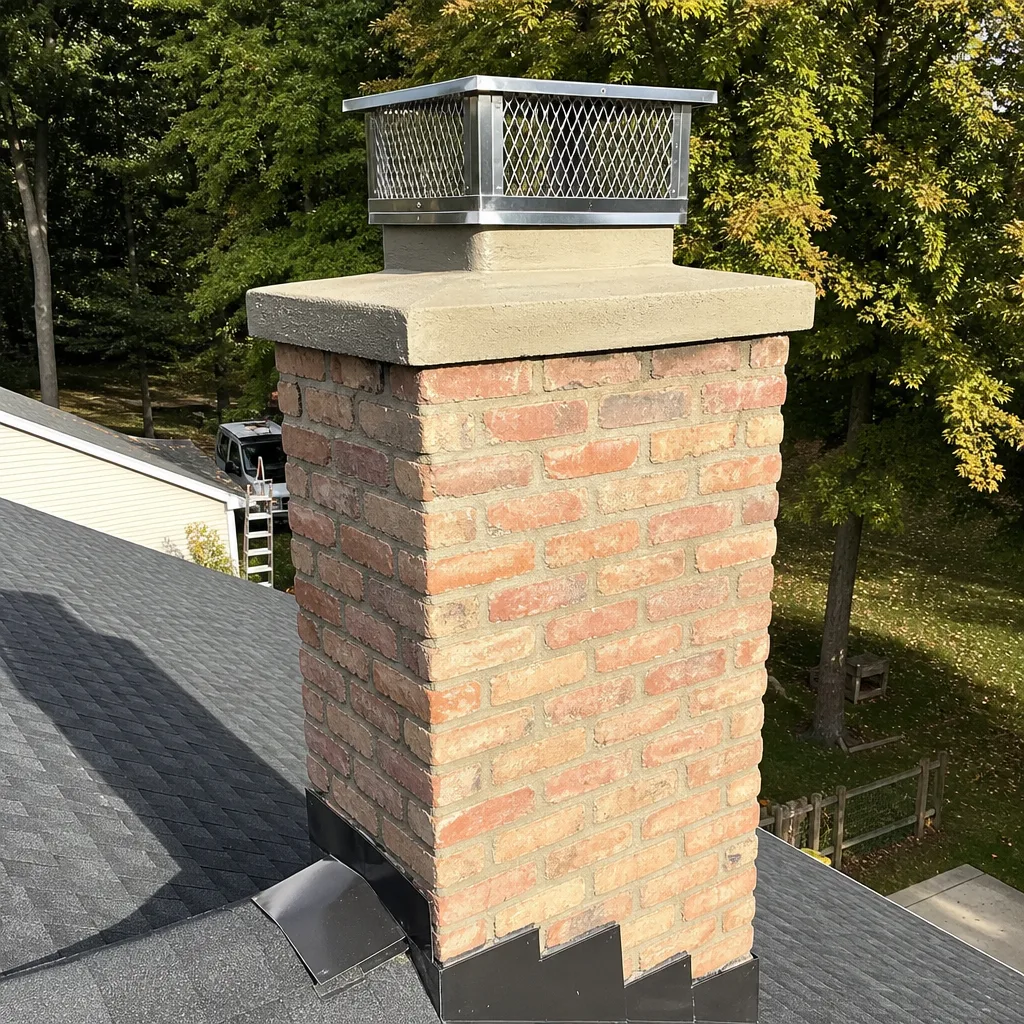 After
After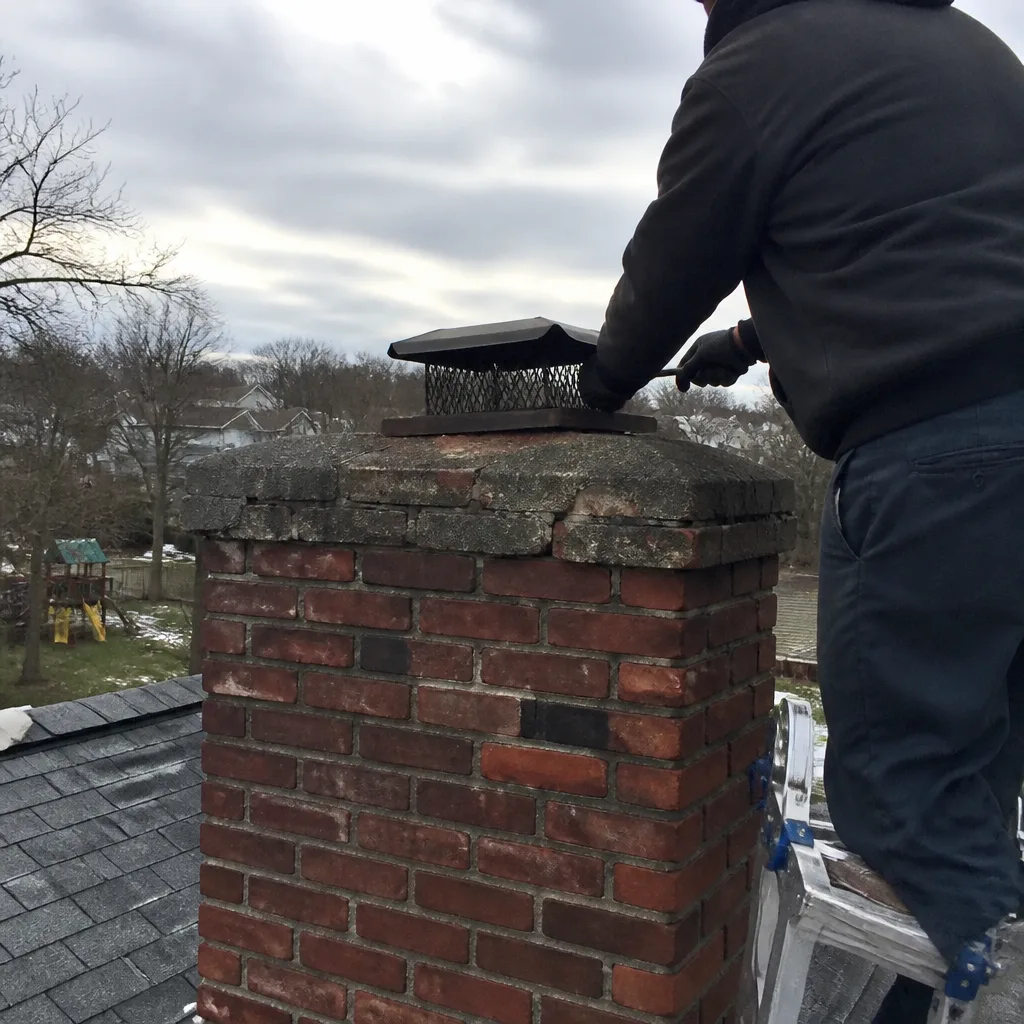 Before
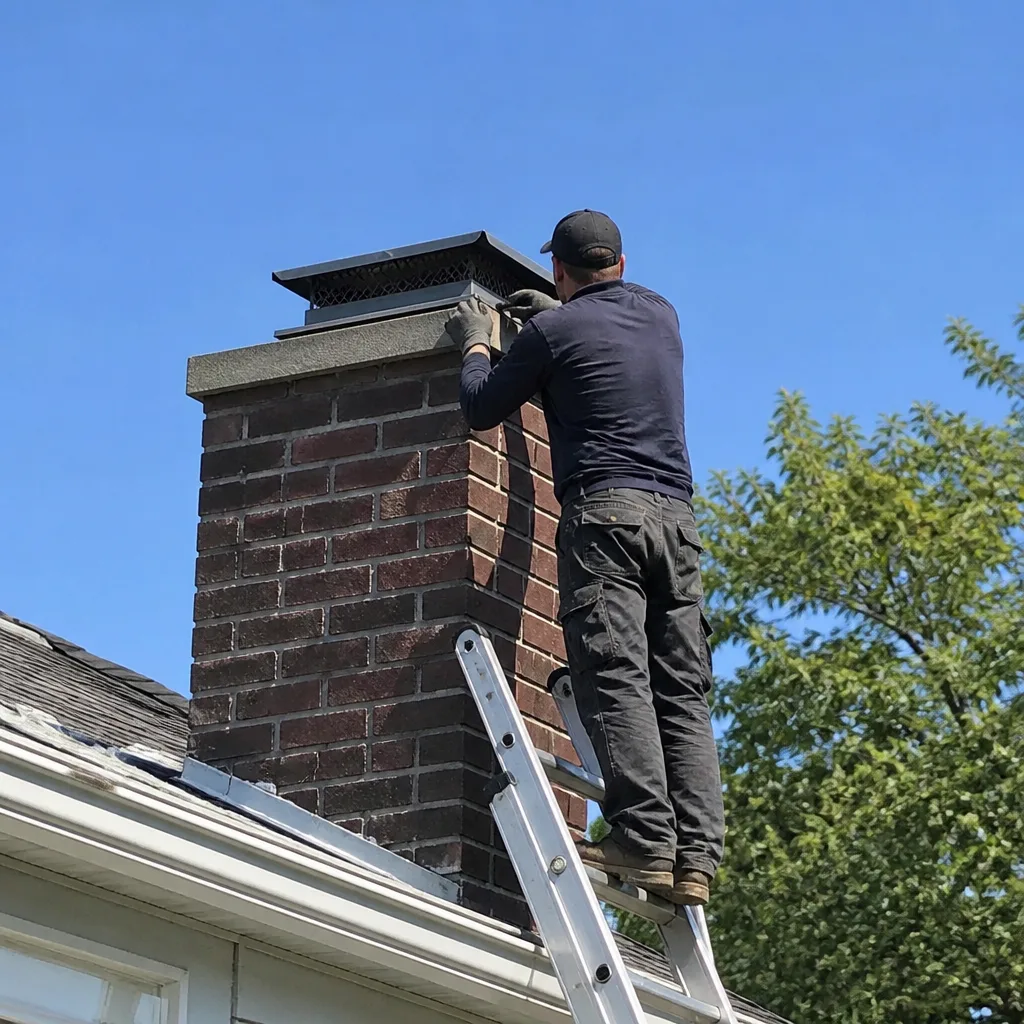 After
AfterDIY vs Professional Chimney Cleaning: The Easton Homeowner’s Decision Guide
DIY chimney cleaning kits sell for $50 and work as advertised - they move the brushable creosote. What they cannot do is tell you whether your clay tile liner cracked last winter, and that’s the part that burns houses down. In Easton, where freeze-thaw cycles from January through March punish masonry harder than most of Pennsylvania, the gap between “looks clean” and “is safe” widens every year a chimney goes uninspected. This guide lays out exactly what a motivated homeowner can handle, where the hard limits sit, and how to decide without YouTube confidence or contractor pressure - and for those ready to go deeper, our How to Hire a Chimney Cleaning Contractor in Easton: A Step-by-Step Guide walks through choosing the right professional.
Quick Answer
Yes, you can clean your own chimney in Easton if you have a straight single-flue system with no bends, a documented clean history, and the physical ability to work on a roof safely. For every other setup - which describes the majority of homes built before 1990 in the Lehigh Valley - professional cleaning with a Level-2 camera inspection is the only way to verify that the flue, smoke chamber, and liner are intact. The $50 kit removes surface soot; it does not diagnose the conditions that cause chimney fires or carbon monoxide intrusion.
Table of Contents
- What DIY Chimney Cleaning Can Actually Accomplish
- Three Things DIY Cleaning Structurally Cannot Do
- Real Cost Comparison: DIY Kit vs. Professional Visit in Easton
- The Insurance and Liability Dimension
- DIY Maintenance Between Professional Visits
- Easton-Specific Risks: Freeze-Thaw, Age, and Local Fuel Types
- Common Mistakes to Avoid
- When to Call a Professional
- Frequently Asked Questions
- The Bottom Line
What DIY Chimney Cleaning Can Actually Accomplish
Let’s start with the honest part. A homeowner with the right tools, the right chimney, and the right physical condition can remove loose, powdery soot from a flue. We’ve seen it done well. We’ve also seen it done badly enough that we were called to fix the aftermath. The difference is knowing the narrow circumstances where DIY makes sense and recognizing when you’re outside them.
Here is the complete list of conditions that must all be true for DIY cleaning to be appropriate:
- Straight single-flue system. No bends, no offsets, no multiple fireplaces sharing a wall. The brush must travel in a straight line from top to bottom without navigating turns that require specialized rods.
- Documented clean history. A professional sweep has inspected this chimney within the past two years and found no structural issues, no stage 2 or stage 3 creosote, and no liner degradation.
- Accessible roof with safe footing. Easton’s older neighborhoods - College Hill, the historic district near Centre Square, and the steeper parcels above the Lehigh River - often have roofs with pitches that demand fall protection. If you cannot work comfortably with both hands free, you cannot clean safely.
- Standard fuel source. Seasoned hardwood burned as primary heat, not pressed logs, not driftwood from the Delaware, not construction debris. Each of those deposits creosote faster and in harder forms.
- Physical capability. The rod-and-brush assembly for a two-story flue weighs more than you’d expect after fifty repetitions of pushing and pulling. Shoulder and back stamina matter.
If all five conditions apply, a DIY cleaning with a polypropylene brush and fiberglass extension rods will remove the loose, flaky deposits that accumulate over a season of normal use. The process is straightforward: protect the firebox with plastic sheeting, run the brush from top to bottom in short, firm strokes, vacuum the debris that falls, and dispose of the creosote according to Northampton County guidelines - never in the household trash, never in the yard, where the oils can leach into soil near the Lehigh River watershed.
What this accomplishes is maintenance of a system already known to be sound. It is not, and cannot be, a substitute for inspection.
Three Things DIY Cleaning Structurally Cannot Do
This is where the $50 kit hits its hard limits. Three critical assessments require equipment, training, and vantage points that no consumer tool provides. Each one addresses a failure mode that can destroy a home or kill its occupants.
1. Liner Inspection: What You Cannot See from the Top or Bottom
Clay tile liners, standard in Easton homes built between 1920 and 1980, crack from thermal shock and freeze-thaw cycling. A hairline fracture opens during heating, closes when the flue cools, and traps moisture that expands with every Pennsylvania winter. By the third or fourth cycle, the tile has spalled or shifted, creating a path for combustion gases into wall cavities.
From the top of the flue, looking down with a flashlight, you might see obvious damage. You will not see the crack on the back face of the third tile from the top, where the most intense heat concentrates. From the bottom, looking up, you see nothing past the smoke chamber’s shadow. Only a camera on a flexible rod, operated by someone who knows what spalling, slaking, and joint failure look like, documents the full condition.
At Hearthstone Chimney Co., our Level-2 inspections end with photos the homeowner can see and a plain-English verdict. We’ve found cracked liners in homes on North Fourth Street that looked pristine from the roof, and we’ve found sound liners in West Ward chimneys that appeared rough from the firebox. The camera removes the guesswork.
2. Smoke Chamber Assessment: The Hidden Fire Risk
The smoke chamber is the area above the damper and below the flue throat, where the passage narrows from fireplace width to flue diameter. Building codes have required parging - a smooth, sloped refractory surface - since the 1950s, but enforcement in the Lehigh Valley was inconsistent before 1990. Many Easton homes have corbeled brick, rough mortar, or exposed edges that trap creosote and slow draft.
No DIY kit reaches the smoke chamber with any diagnostic capability. A brush passes through; it does not evaluate. Stage 2 creosote, the spongy, tar-like buildup that ignites at lower temperatures, adheres to rough surfaces and accumulates in corners that brushing misses. Chemical treatment with modified acids or alkaline sprays, applied by a technician who can see the full surface, is the only removal method that does not damage the underlying masonry.
3. Creosote Stage Identification: When Brushing Makes It Worse
Creosote forms in three stages. Stage 1 is flaky, dusty, and brushable - what the DIY kit handles. Stage 2 is spongy and adhesive; brushing smears it, compacts it, and can glaze it into a harder form. Stage 3 is glossy, hardened, and nearly glass-like; mechanical removal damages flue tiles, and chemical treatment requires controlled application with ventilation protection.
We’ve responded to calls in the Hillcrest area where a homeowner’s aggressive brushing converted stage 2 creosote into a glazed lining that reduced flue diameter by 20 percent. The chimney was more hazardous after the cleaning than before. Proper identification requires experience with texture, color, and adhesion patterns that no video tutorial reliably conveys.
Real Cost Comparison: DIY Kit vs. Professional Visit in Easton
Cost comparisons online tend to compare the $50 kit against a $300 professional sweep and declare DIY the obvious winner. That math omits several line items and mischaracterizes what the professional visit includes. For a detailed breakdown of what professional service actually costs, see our Chimney Cleaning Cost Breakdown: The Easton Homeowner’s Reference for 2026. Here is the honest accounting for an Easton homeowner.
DIY Cleaning: True Cost Breakdown
| Item | Cost Range |
|---|---|
| Polypropylene brush and rod kit (basic) | $45-$75 |
| Replacement brush heads (annual) | $15-$25 |
| Heavy-duty drop cloths and plastic sheeting | $20-$35 |
| HEPA vacuum or shop vac with fine-particle filter | $80-$150 (or rental) |
| Personal protective equipment: respirator, goggles, gloves | $30-$60 |
| Creosote disposal at Northampton County facility | $0-$15 per load |
| Roof safety equipment: harness, anchor, rope | $100-$250 (if working above single story) |
| Time investment: setup, cleaning, cleanup, disposal | 3-5 hours |
| First-year total | $290-$610 |
| Subsequent years (replacement brush, disposal, time) | $60-$120 + 3-5 hours |
Professional Cleaning with Level-2 Inspection: What’s Included
| Item | Included |
|---|---|
| Full brush-and-vacuum cleaning of flue | Yes |
| Camera inspection of full flue length | Yes |
| Smoke chamber evaluation | Yes |
| Firebox and damper condition check | Yes |
| Creosote stage identification and treatment recommendation | Yes |
| Digital photo documentation | Yes |
| Written condition report with plain-English verdict | Yes |
| 90-Day Done Right Promise on any recommended work | Yes |
| Typical Easton market range | $250-$400 |
The professional visit costs less than the fully equipped first-year DIY setup and delivers documentation that the DIY process cannot produce. For homeowners who already own ladders, harnesses, and vacuums from other projects, the DIY margin improves - but the diagnostic gap remains unchanged. You are paying for the cleaning and the information that determines whether the chimney is safe to use, not merely clean to look at.
Our Chimney Cleaning & Sweep in Easton includes all listed items with no-hassle upfront pricing. The number on the estimate is the number on the invoice.
The Insurance and Liability Dimension
This is the factor that changes the cost math entirely, and it is rarely discussed in DIY guides. Your homeowner’s insurance policy contains language about “reasonable maintenance” and “known hazards” that becomes critical after a chimney fire.
We are not insurance professionals, and we do not interpret policy language for specific carriers. We can report what we have observed in 42 years of serving the Lehigh Valley. After a chimney fire, adjusters request documentation of professional inspection and cleaning. A receipt from a certified sweep, a dated report with photos, and a record of recommended repairs completed - these form the basis for a straightforward claim. A homeowner’s word that “I cleaned it myself last fall” does not carry equivalent weight, particularly when the fire originated in a cracked liner or smoke chamber defect that no DIY process would have detected.
The question is not whether DIY cleaning caused the fire. The question is whether the absence of professional documentation creates ambiguity about when the hazardous condition developed and whether it was knowable. Insurance companies are in the business of identifying ambiguity and assigning responsibility for it. A documented annual inspection removes that ambiguity before it can be exploited.
For Easton homeowners in the historic districts, where many properties carry replacement-cost riders on century-old masonry, this distinction matters more. The cost of rebuilding a fire-damaged chimney in a designated historic structure - using matching brick, lime mortar, and period-appropriate detailing - can exceed the coverage limits of a standard policy. Documentation that you followed professional guidance strengthens your position in any dispute over coverage scope.
We have worked with insurers after fires in Bushkill Township and Forks Township properties where our inspection records simplified the claim process. We have also seen claims delayed when no such records existed. The annual cost of professional inspection is modest compared to the potential friction of an uninsured or underinsured loss.
DIY Maintenance Between Professional Visits
There is a middle path that serves Easton homeowners well: professional annual inspection and cleaning, supplemented by sensible homeowner maintenance that does not disturb conditions your sweep needs to assess.
These practices add value without creating diagnostic confusion:
- Burn only seasoned hardwood. In Easton, that means oak, maple, or ash split and stacked for 18 months minimum, with moisture content below 20 percent. Unseasoned wood from the Lehigh Valley’s abundant supply of storm-felled trees deposits creosote at triple the rate of cured stock.
- Remove ash after every third or fourth fire, leaving a one-inch bed for insulation. Excessive ash reduces combustion efficiency and cools the firebox, promoting incomplete combustion. Store removed ash in a metal container with a tight lid, away from combustibles, for at least a week before disposal - embers can persist longer than intuition suggests.
- Inspect the firebox and damper visually monthly during heating season. Look for cracked bricks, deteriorating mortar, or rust on the damper frame. These are surface conditions you can observe without tools; note changes and report them at your annual visit.
- Check the chimney cap and flashing from the ground after severe weather. Easton’s position in the Lehigh Valley exposes roofs to wind funneled down from the Poconos. A displaced cap or lifted flashing edge is visible with binoculars and warrants prompt professional attention to prevent water intrusion.
- Monitor draft performance. Smoke lingering in the firebox, difficulty starting fires on mild days, or odors when the fireplace is not in use suggest downdraft or blockage issues that require professional diagnosis. Do not attempt to clear suspected blockages yourself.
What to avoid: applying chemical creosote removers between professional visits. These products modify creosote chemistry in ways that can mask its true stage or create residues that interfere with proper brushing. If your sweep recommends a chemical treatment, it is applied with specific timing and ventilation controls that homeowner application cannot replicate.
Easton-Specific Risks: Freeze-Thaw, Age, and Local Fuel Types
Easton’s chimneys face a specific set of stressors that make professional inspection more consequential here than in milder climates or newer construction markets. Our Seasonal Chimney Cleaning Care for Easton: Year-Round Homeowner’s Guide covers how to time maintenance through each season.
Freeze-thaw cycling. The Lehigh Valley averages 30-40 freeze-thaw cycles per winter, with temperatures oscillating across 32 degrees Fahrenheit day and night. Water enters hairline cracks in masonry, expands when frozen, and widens the crack incrementally. A flue liner that was sound in October can be compromised by March. This is not theoretical; we document it annually in homes from the historic district to College Hill to the newer developments near Route 33.
Age of housing stock. Easton’s median home age exceeds 70 years. Chimneys built before 1940 often lack liners entirely or have parged clay that has deteriorated past safe use. Post-war construction introduced clay tile liners with mortar joints that degrade predictably after 50-60 years of thermal cycling. A chimney that “has always worked fine” may have crossed a threshold where fine is no longer accurate.
Fuel variability. Easton’s proximity to rural Pennsylvania means some homeowners burn wood from orchards, construction sites, or storm damage. Orchard wood can contain residual pesticides. Construction lumber carries chemical treatments. Storm wood is rarely seasoned adequately. Each introduces combustion byproducts that accelerate creosote formation or deposit corrosive residues. Professional inspection identifies the resulting damage patterns that DIY cleaning misses.
Local code evolution. Northampton County adopted versions of the International Residential Code with amendments specific to solid-fuel appliances. Requirements for clearance to combustibles, liner sizing, and termination height have changed substantially since most Easton chimneys were built. A professional inspection notes where current use may not meet current code, even in a grandfathered structure, and documents conditions that could affect insurance or resale.
For Chimney Repair in Easton, we use professional-grade materials from DuraFlex, HeatShield, and Copperfield - no builder-grade substitutes that fail to match the durability demands of this climate.
Common Mistakes to Avoid
- Assuming a clean-looking flue is a safe flue. We’ve pulled brushes from flues that appeared spotless, then sent cameras up to find cracked tiles and missing mortar joints. Creosote color and liner condition are independent variables.
- Using a brush too large for the flue diameter. An oversized brush binds, skips sections, and can damage clay tiles. Measure the flue before buying; Easton’s older chimneys often have non-standard dimensions that predate modern sizing.
- Cleaning from the bottom only. Gravity works against you. Debris falls onto the brush, compacts, and can block the flue. Top-down brushing with controlled vacuum collection is the correct method; bottom-up is a fallback for single-story access only.
- Ignoring the smoke chamber. Even homeowners who clean the flue diligently often stop at the damper. The smoke chamber is where most chimney fires originate; its condition matters more than the flue’s surface cleanliness.
- Disposing of creosote in household trash. Northampton County’s waste guidelines classify concentrated creosote as a hazardous material requiring special handling. Fires in trash trucks and transfer stations have resulted from improper disposal. The county facility on Weaversville Road accepts it by appointment.
- Skipping the roof inspection. In Easton, the chimney crown and flashing are as vulnerable as the flue. A cracked crown admits water that destroys the chimney from the outside while the flue appears functional. DIY cleaning that ignores the exterior leaves the most expensive damage undetected.
- Confusing YouTube confidence with competence. Video demonstrations use ideal conditions: straight flues, light deposits, accessible roofs, and no surprises. Your chimney is not ideal. It is specific to your house, your fuel, your maintenance history, and your local climate.
When to Call a Professional
Call a professional sweep when any of the following apply: your chimney has not had a Level-2 inspection within the past 12 months; you burn more than two cords of wood per season; you notice any change in draft, odor, or performance; your home was built before 1990; you’ve recently purchased the property and have no maintenance records; or you’ve attempted DIY cleaning and are uncertain about completeness.
In Easton, where freeze-thaw damage accelerates hidden deterioration, the annual professional visit is not an upsell. It is the minimum frequency that catches conditions before they become emergencies. Hearthstone Chimney Co. offers free estimates in Easton - call (610) 756-1504. We’ll be there when we say, and you’ll get photos you can see with a plain-English verdict. Done right - and we stand behind it.
Frequently Asked Questions
A professional chimney cleaning with Level-2 camera inspection in Easton typically ranges from $250 to $400, depending on flue accessibility, creosote stage, and whether the smoke chamber requires chemical treatment. This includes full cleaning, digital photo documentation, a written condition report, and our 90-Day Done Right Promise on any recommended repairs. Call (610) 756-1504 for an exact quote - estimates are free.
Pressed logs and similar products burn cleaner than cordwood but produce different combustion residues, including concentrated alkaline ash and binders that adhere to flue surfaces in patterns standard brushes do not remove effectively. We recommend professional cleaning for any chimney used with manufactured fuels, as the residue chemistry requires specific assessment. In our experience, Easton homeowners who burn pressed logs as primary fuel still need annual inspection, though the cleaning interval may extend to 18-24 months depending on use volume.
A legitimate liner recommendation comes with photographic evidence of spalling, cracking, or displacement that you can see for yourself, plus a clear explanation of the failure mode and its consequences. At Hearthstone Chimney Co., nothing is recommended without camera evidence, and we will plainly tell you when work can safely wait. If your sweep cannot show you the damage and explain why it matters, get a second opinion. We offer free second opinions on any written estimate - no paperwork, no arguing.
The National Fire Protection Association recommends annual inspection for all solid-fuel chimneys, with cleaning frequency determined by creosote accumulation. In Easton’s climate, with its hard freeze-thaw cycles and older housing stock, we advise annual inspection as a baseline, with cleaning every year for heavy use (more than two cords) or when any stage 2 or stage 3 creosote is detected. Light-use fireplaces may extend to every 18-24 months if inspection confirms minimal accumulation and sound liner condition.
Skipped maintenance allows creosote to accumulate through its stages, progressing from brushable powder to glazed, ignitable deposits. Simultaneously, freeze-thaw damage to liners and masonry advances unchecked. The combined risk is a chimney fire that damages the flue, adjacent structure, or both - or carbon monoxide intrusion through cracked liners into living spaces. Neither develops suddenly; both develop predictably from neglected maintenance. The cost of prevention is modest compared to the cost of remediation or, in the worst case, loss of life.
Policies vary by carrier and state, but most contain language requiring “reasonable maintenance” and documentation of known hazards. After a chimney fire, insurers routinely request records of professional inspection and cleaning. A DIY cleaning history, without third-party documentation of flue condition, creates ambiguity that adjusters may use to limit or deny coverage. For specific policy language, review your declarations page or contact your agent directly. We can provide inspection reports in whatever format your carrier requires.
If any work we perform is not done right, we come back and make it right - backed in writing with no paperwork and no arguing. The promise is governed by our K.E.Y.S. values code: Krafted right, Every time, Your home first, Standing behind it. It applies to all services, from cleaning to liner installation to full rebuilds. We’ve honored it for 42 years, and we plan to be in Easton for 30 more.
Yes. Remove ash regularly, burn only seasoned hardwood, inspect the firebox and damper visually, and check the chimney cap and flashing from the ground after storms. These practices support chimney health without disturbing the conditions your sweep needs to assess. Avoid chemical creosote removers, do not attempt to clear suspected blockages, and do not modify damper operation or firebox configuration. If you observe anything concerning, call before your scheduled annual visit - waiting can allow minor issues to become major repairs.
The Bottom Line
DIY chimney cleaning is possible for a narrow set of circumstances: straight flue, clean history, safe access, standard fuel, and physical capability. For the majority of Easton homes - older, complex, exposed to hard freeze-thaw cycling, and often burning variable fuel - the $50 kit cleans what you can see and leaves undetected what can harm you. The professional difference is not the brushing; it is the camera, the trained eye, the documented result, and the standing guarantee. A square deal: no surprises on the bill, photos you can see, a plain-English verdict, and the 90-Day Done Right Promise in writing. That’s the craftsman standard we’ve kept for 42 years.
Written by Russell Haines, Owner at Hearthstone Chimney Co., serving Easton since 2014.