
Last updated September 10, 2026
Level 1 sweep and inspection to the NFPA 211 annual standard - flue, crown, cap, and flashing checked and photographed
Chimney sweep logs do not sweep chimneys. They loosen some creosote - which then falls where a brush and vacuum still have to collect it.
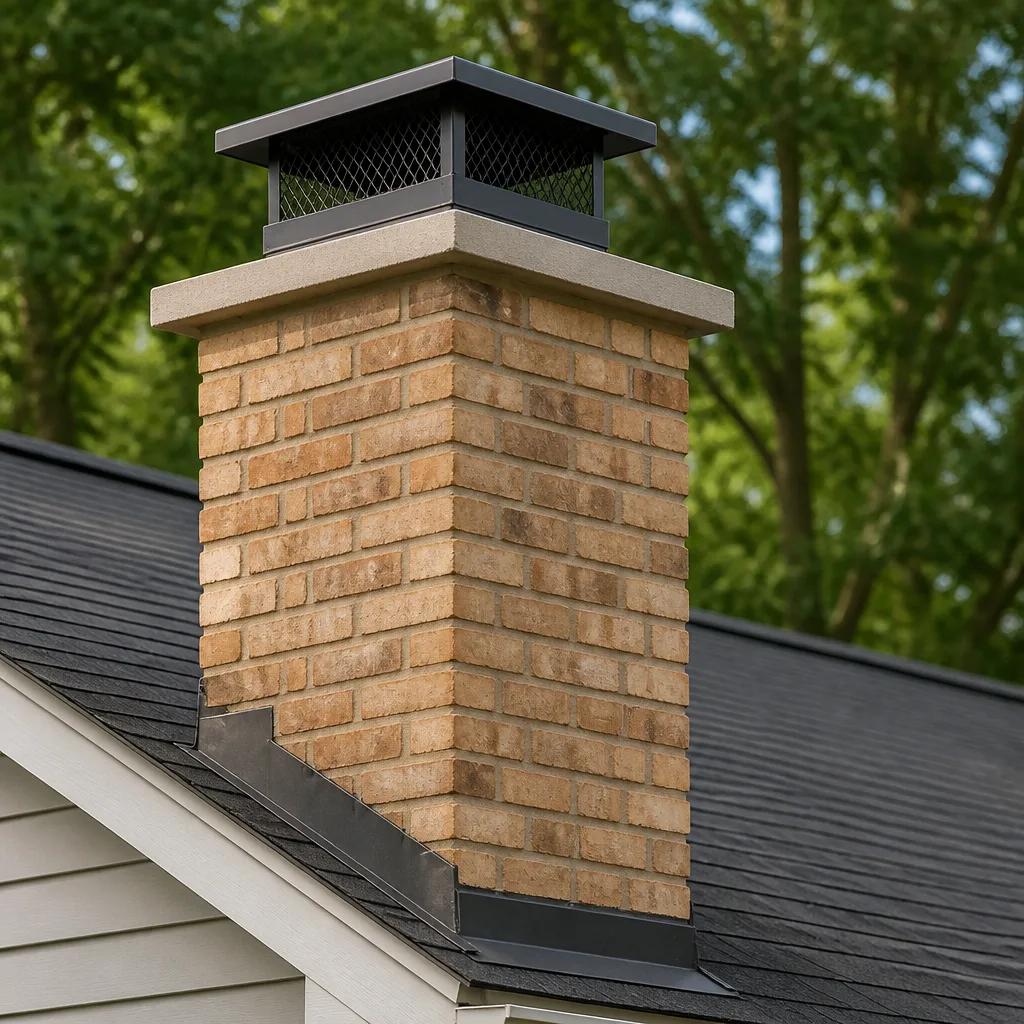
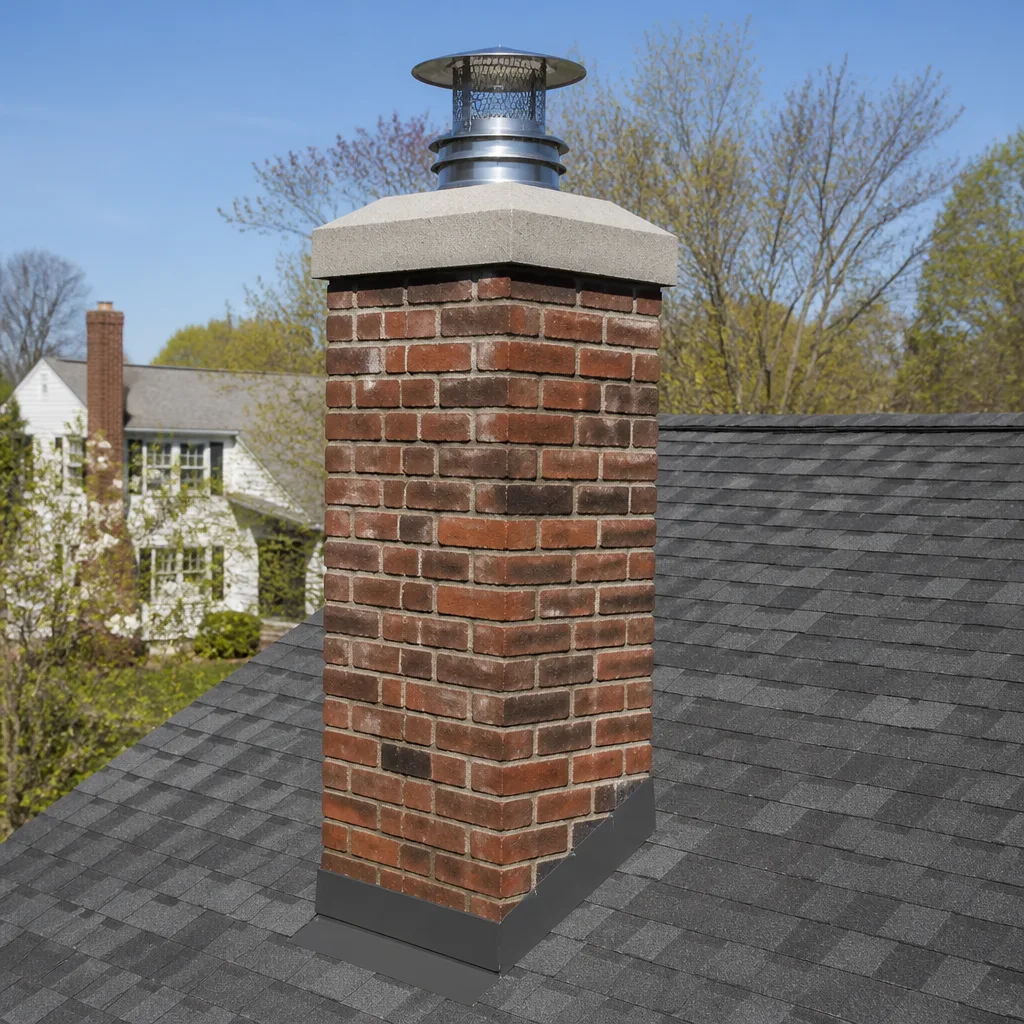
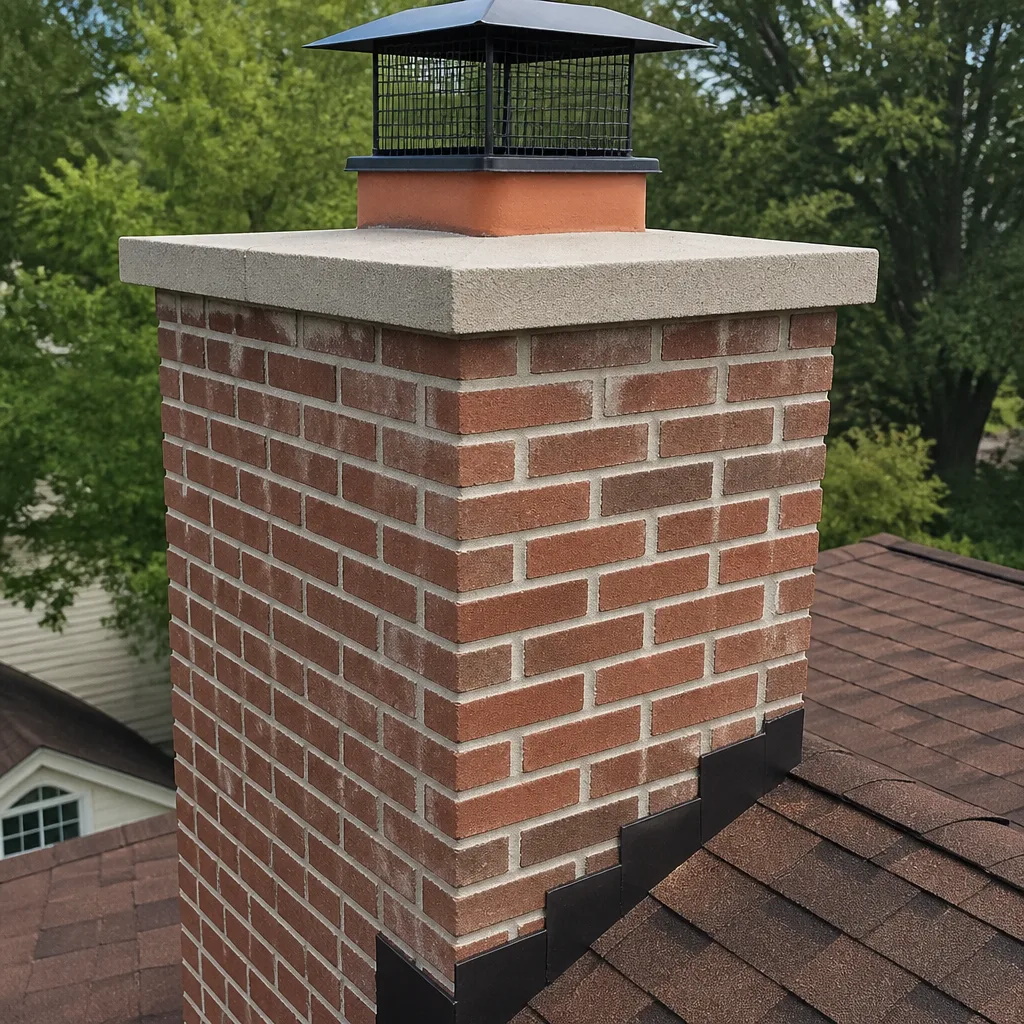
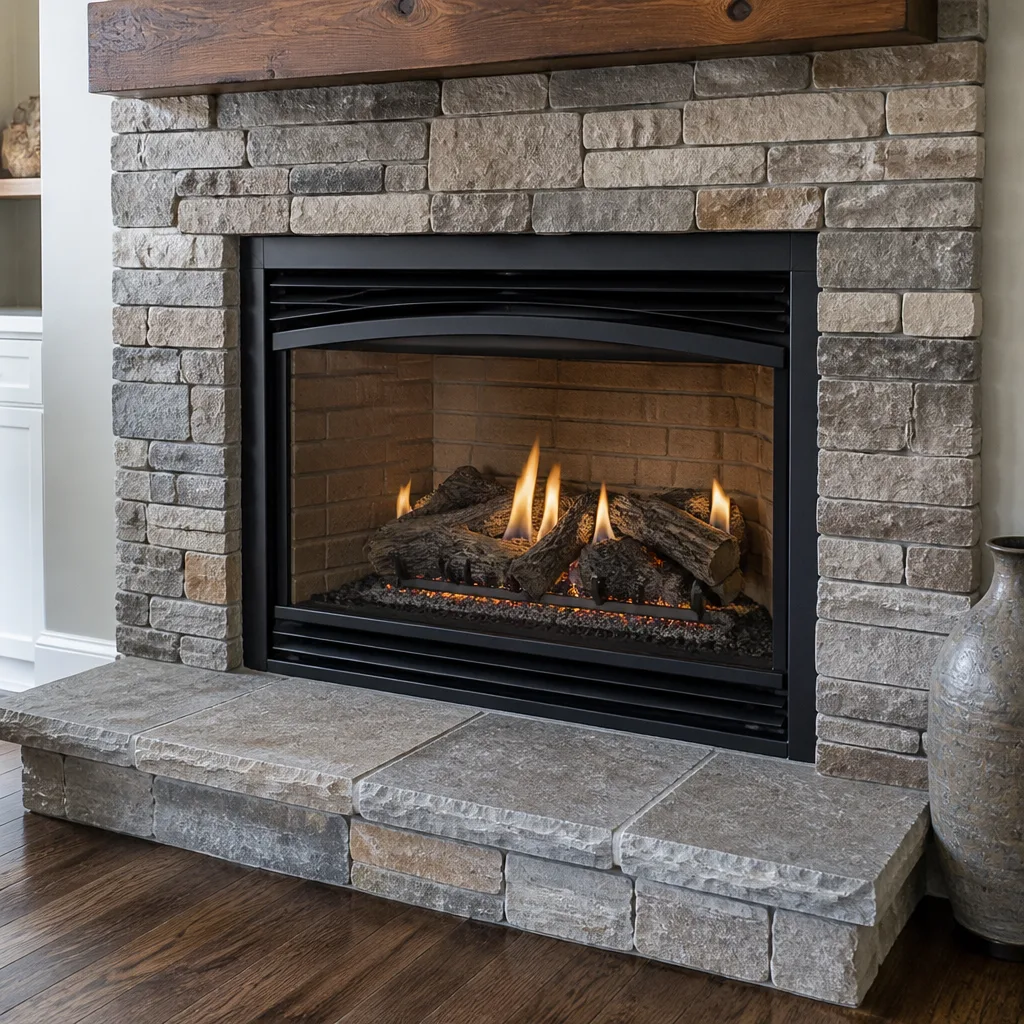
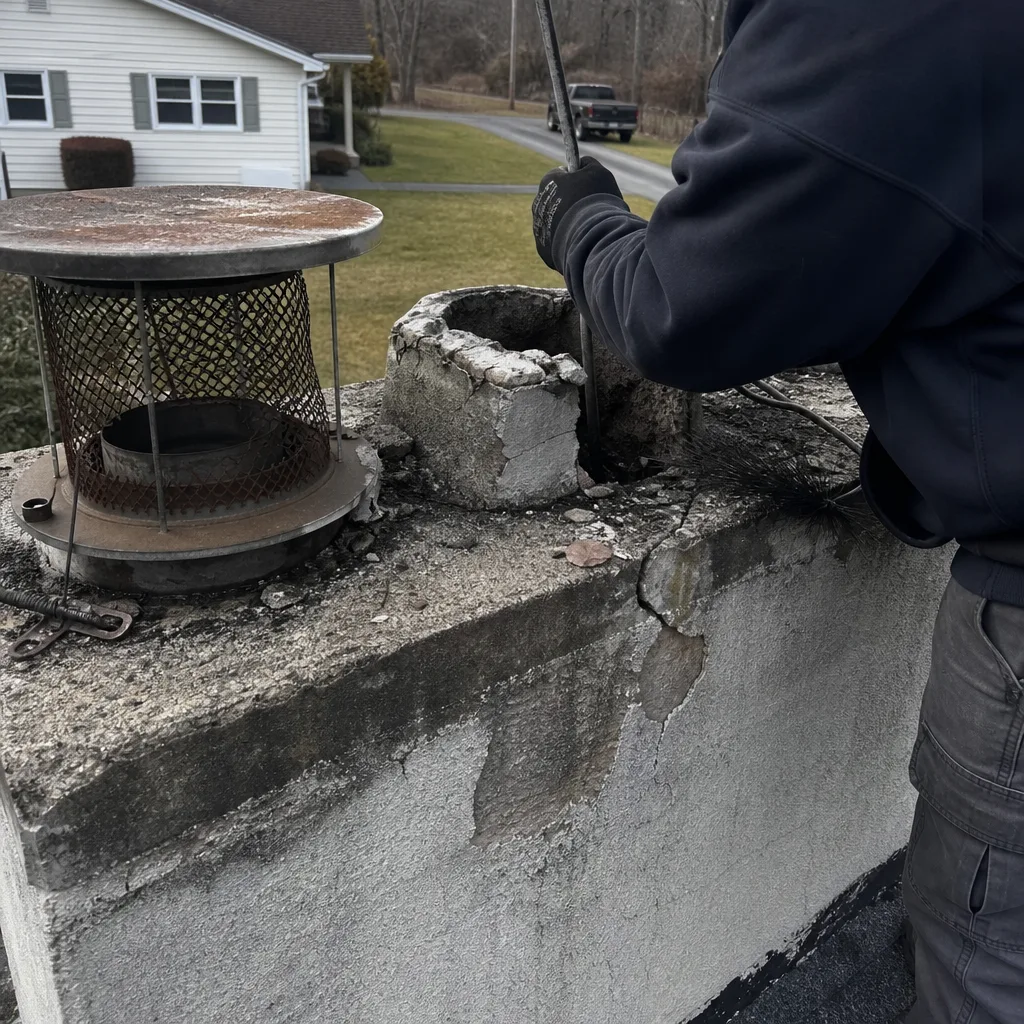 Before
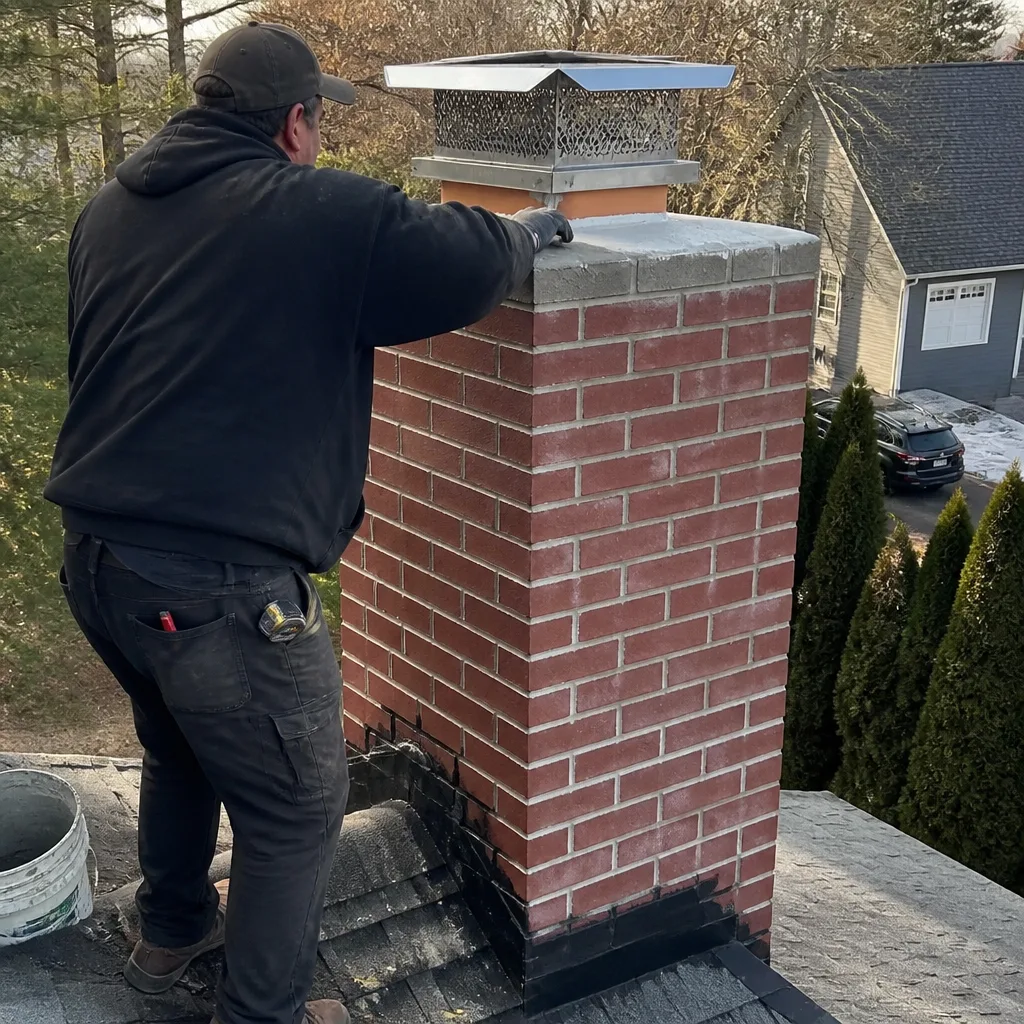 After
After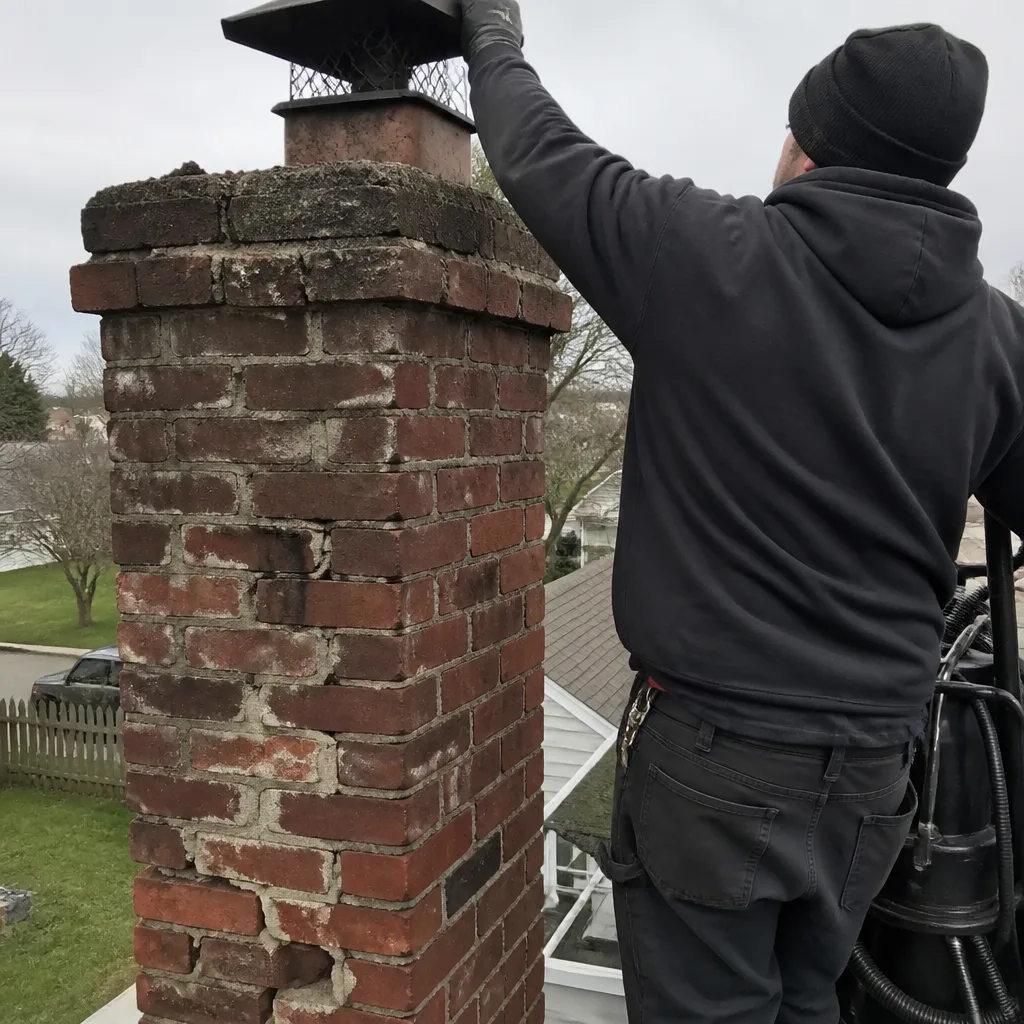 Before
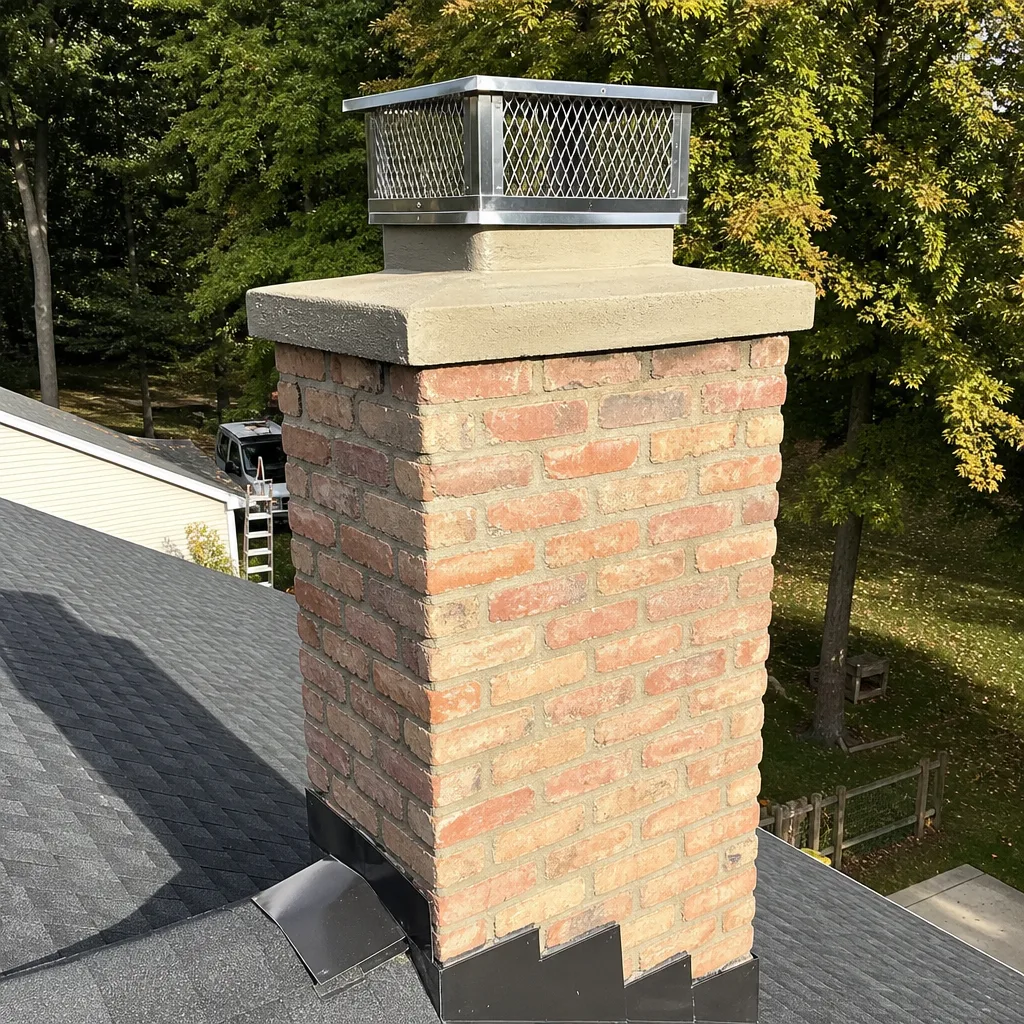 After
After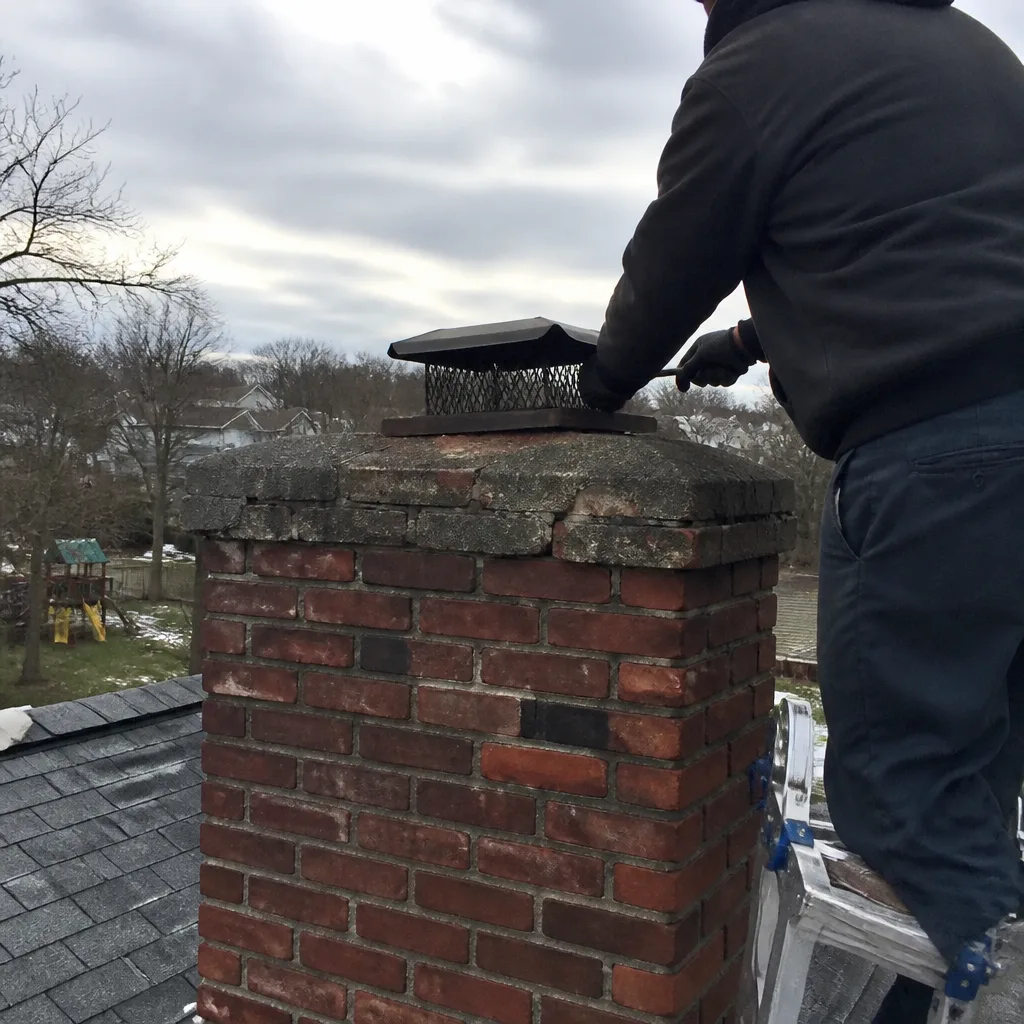 Before
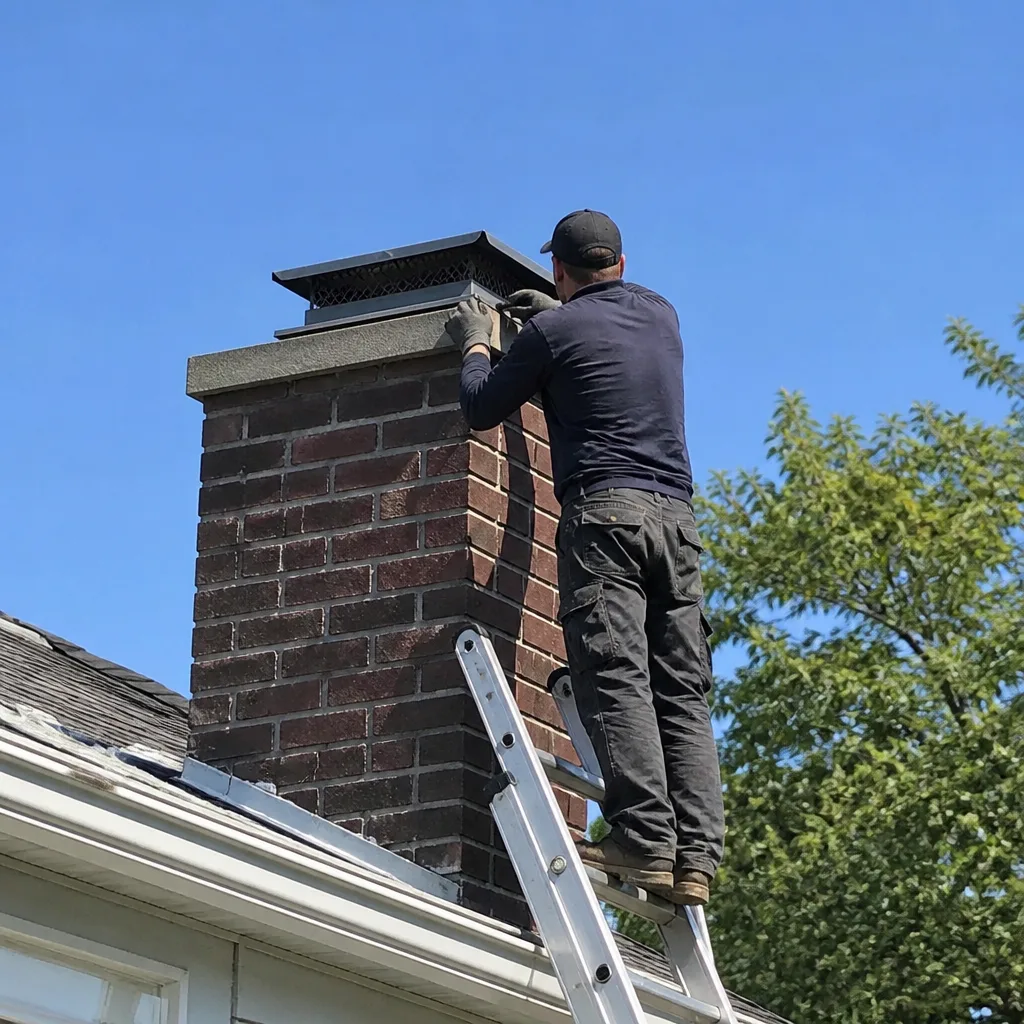 After
AfterChimney Cleaning & Sweep Maintenance Checklist for Easton Homeowners
Most chimney checklists online were written to rank on Google, not to survive a cold January morning when your flue smells like sulfur and you need to know whether to light the fire or call someone. After 42 years in this trade, we’ve learned that a checklist only earns its keep when it’s honest about what a homeowner can verify themselves versus what requires trained eyes and a camera. This guide gives Easton homeowners a practical, room-by-room, season-by-season record they can keep in a folder and hand to the next owner. The goal isn’t to replace our Chimney Cleaning & Sweep services. It’s to make the sweep’s visit more productive and the homeowner more informed.
Quick Answer
A proper chimney maintenance checklist for Easton homeowners divides tasks into three categories: monthly visual checks you can do yourself (firebox, damper, cap from ground level), annual professional services including a Level-2 camera inspection with photo documentation, as detailed in The Complete Guide to Chimney Cleaning in Easton, and seasonal preparations specific to Northampton County’s freeze-thaw climate. Keep written records and photos from every professional visit to track slow deterioration before it becomes a costly repair.
Table of Contents
- What Homeowners Can Check Themselves
- What Requires a Professional Camera and Trained Eyes
- Season-by-Season Checklist for Easton Homes
- Documenting Your Chimney Year Over Year
- Red Flags: Do Not Use Until Inspected
- Special Considerations for Northampton County Homes
- What to Record After Every Professional Visit
- Common Mistakes to Avoid
- When to Call a Professional
- Frequently Asked Questions
- The Bottom Line
What Homeowners Can Check Themselves
There’s honest work a homeowner can do without a ladder or special tools. We encourage it. A person who knows their own chimney catches problems earlier and asks better questions when the sweep arrives.
Monthly Visual Inspection of the Firebox
Shine a flashlight at the back and sides of your firebox. Look for:
- Cracks in the firebrick or refractory panels - hairline cracks are common, but gaps wider than a nickel need attention
- Missing or crumbling mortar between firebricks
- Staining or white efflorescence on the back wall, which can indicate moisture intrusion
- Buildup of soot more than 1/8 inch thick - a sign you’re due for cleaning
In Easton’s older neighborhoods like College Hill and the West Ward, we see fireboxes built with softer brick that deteriorates faster than modern refractory materials. If your home dates to the 1920s or earlier, check more frequently.
Damper Operation Test
Open and close your damper fully. It should move smoothly without grinding or catching. When closed, hold a lit match or candle near the opening - a draft pulling flame toward the flue means the damper isn’t sealing. A stuck or broken damper wastes heat and can let smoke into your living space.
Cap and Crown Check from Ground Level
Binoculars help here. From your yard or driveway, look for:
- Missing or damaged chimney cap - the metal topper that keeps rain and animals out
- Visible cracks or gaps in the concrete crown below the cap
- Discoloration or staining on the exterior brick below the crown, suggesting water penetration
- Vegetation growing from mortar joints - a clear sign of moisture retention
Easton’s combination of humid summers and hard freeze cycles in winter is hard on crown concrete. We’ve replaced crowns in the Historic District that failed in under ten years because of poor original construction and no maintenance.
Smoke Chamber and Hearth Check
Look up from the firebox toward the flue. The smoke chamber should be smooth, not corbeled (stepped) with exposed mortar. Check that your hearth extension extends far enough forward - 16 inches minimum for fireplaces, 20 inches if the firebox opening exceeds 6 square feet. This is code in Pennsylvania and protects your flooring from rolling logs and sparks.
What you cannot check yourself: the flue liner’s interior condition, creosote buildup thickness above the smoke chamber, structural integrity of the chimney interior, and proper clearances to combustibles. These require a Level-2 inspection with a camera.
What Requires a Professional Camera and Trained Eyes
The National Fire Protection Association Standard 211 requires a Level-2 inspection - including internal camera examination - whenever a property changes hands, after a chimney fire or significant weather event, and before any liner installation or relining work. But we recommend it annually for any Easton home with an active fireplace, especially homes built before 1980.
What a Level-2 Inspection Covers
- Internal flue liner scan: A high-resolution camera travels the full length of the flue, recording cracks, gaps, spalling, glaze creosote, and obstructions. In Easton, we regularly find clay tile liners cracked by freeze-thaw damage in unlined exterior chimneys common to pre-1950s construction.
- Smoke chamber examination: Parged (smoothed) or corbeled, with attention to exposed mortar joints that can collect creosote and create fire hazards.
- Attic and accessible interior clearances: Checking that framing and insulation maintain proper distance from the chimney structure - a frequent issue in renovated Northampton County homes where previous owners finished attics without permits.
- Exterior structural assessment: Crown, cap, flashing, and brick condition from the roof level, including mortar joint depth and spalling brick faces.
At Hearthstone Chimney Co., every Level-2 inspection ends with photos you can see and a plain-English verdict. We document like engineers and explain like craftsmen. You receive a written report with images, not a verbal summary you have to trust.
Professional-Grade Materials Matter
When repairs are needed, the materials used determine how long the fix lasts. We work exclusively with professional-grade brands: Gelco for stainless steel caps and shrouds, Olympia Chimney for liner systems, and Copperfield for specialty flashing and sealants. These aren’t builder-grade substitutes. They’re the products we specify when we want a repair to outlast the next owner.
Season-by-Season Checklist for Easton Homes
Northampton County’s climate has four distinct seasons, and each puts different stress on your chimney system. Here’s how we advise Easton homeowners to pace their attention.
Spring (March-May): Post-Heating Season Assessment
- Schedule your annual sweep and inspection now, after the heating season ends. Sweeps have better availability, and any moisture damage from winter is fresh and visible.
- Check exterior brick and mortar for new spalling or cracking while the damage pattern is current.
- Look for water stains on ceilings near the chimney stack - spring rains reveal flashing failures that winter snow may have masked.
- Document the firebox condition with dated photos for your year-over-year file.
Spring in Easton brings freeze-thaw cycles that continue into April. We’ve seen more crown damage in March and April than in January because melting snow seeps into cracks, then refreezes at night.
Summer (June-August): Repairs and Preparation
- Complete any recommended repairs before fall pricing and scheduling pressure begins.
- Install or replace chimney caps if missing or damaged - summer storms in the Lehigh Valley can be severe, and a proper cap from Famco or Gelco prevents water entry year-round.
- Check attic spaces around chimney penetrations for signs of past leaks while the weather is dry and access is comfortable.
- Verify that your carbon monoxide detectors are functional and properly located - Pennsylvania code requires them within 15 feet of sleeping areas.
Fall (September-November): Pre-Heating Verification
- Perform your monthly visual checks: firebox, damper, cap from ground level.
- Test smoke and CO detectors with fresh batteries.
- Verify that your firewood is seasoned (under 20% moisture) and stored off the ground with top cover - critical in Easton’s humid fall weather that can re-wet stacked wood.
- If you skipped spring scheduling, book your sweep now. October through December fills fast.
Winter (December-February): Active Use Monitoring
- Monitor for unusual odors - a strong sulfur or asphalt smell suggests creosote buildup or moisture problems.
- Watch for smoke spillage when starting fires, which can indicate damper issues or flue obstruction.
- Check for ice damming near the chimney base on the roof, which can force water behind flashing.
- Keep a fire extinguisher rated for Class A fires accessible and charged.
Easton’s position in the Lehigh Valley means temperature inversions can trap smoke and particulate close to the ground. If your fireplace seems to draft poorly on still, cold mornings, this may be weather-related rather than a chimney defect. But persistent problems warrant a call.
Documenting Your Chimney Year Over Year
The most valuable checklist is the one you keep. Slow deterioration - mortar erosion, liner cracking, crown degradation - happens over years. Without records, you cannot distinguish normal aging from accelerated failure, and you cannot prove to a future buyer that the chimney was maintained.
What to Record Each Year
- Date of professional service with company name, technician name, and service type (sweep, Level-1, Level-2, repair).
- Photos from the inspection - request copies if your sweep doesn’t automatically provide them. At Hearthstone, we include these with every report.
- Specific findings in writing: creosote thickness measured, liner condition described, any cracks dimensioned (length and width).
- Recommendations made and whether you accepted, deferred, or declined them, with dates.
- Repairs completed with materials used - brand names, product lines, warranty terms.
- Your own monthly check notes - even brief entries build a pattern.
How to Organize Your File
A simple manila folder works. Label it with your address and “Chimney Records.” Keep it where you store other home maintenance files - HVAC, roofing, electrical. If you sell your home, this folder transfers to the buyer and demonstrates responsible ownership.
Digital records are fine too, but back them up. We’ve met Easton homeowners who had inspection photos on phones that failed before they could share them with us for comparison. Cloud storage or emailed copies to yourself prevent this.
The key comparison points year over year: crack progression (new cracks, longer cracks, wider cracks), creosote accumulation rate (faster buildup suggests burning wet wood or restricted airflow), and moisture indicators (staining, efflorescence, spalling). A crack that grows from 2 inches to 6 inches in three years signals active structural movement. A crack that stays stable may be historical and less urgent.
Red Flags: Do Not Use Until Inspected
Some findings mean the fireplace is out of service until a professional evaluates it. No exceptions. These are not “watch and wait” items.
- Visible flames or glowing embers in the chimney exterior or attic space. This indicates a chimney fire in progress. Call 911, then call your sweep after the fire department clears the scene.
- Collapsed or missing flue liner segments visible from the firebox. Combustible gases and sparks can reach the chimney structure directly.
- Significant earthquake or impact damage. Easton rarely sees seismic activity, but vehicle strikes, falling trees, or lightning strikes can compromise structural integrity.
- Strong odor of gas or petroleum when the fireplace is not in use. This suggests a disconnected or leaking gas log set, or potentially sewer gas entering through a compromised flue. Evacuate and call your gas utility.
- Smoke filling the room when the damper is fully open and the fire is small. Indicates obstruction, severe creosote blockage, or structural failure diverting gases.
- Loose or detached chimney structure visible from outside. Leaning, separated courses of brick, or gap between chimney and house wall.
- Water actively dripping into the firebox during rain. Indicates failed crown, cap, or flashing - and water destroys chimneys from inside.
If you encounter any of these, chimney repair in Easton should be your next call. Do not attempt to diagnose or repair these conditions yourself.
Special Considerations for Northampton County Homes
Easton’s housing stock has characteristics that shape chimney maintenance needs. Understanding them helps you ask better questions and avoid generic advice that doesn’t apply.
Brick Row Homes and Twin Homes
Common in the Downtown and South Side neighborhoods, these often share chimney structures or have chimneys built tight to party walls. Flashing at the roof-wall intersection is critical and frequently done poorly on original construction. Check for stains on upper-story walls adjacent to the chimney. In row homes, your neighbor’s chimney condition can affect yours if the structure is shared.
Freeze-Thaw Mortar Damage
Northampton County averages 30+ freeze-thaw cycles annually. Water enters mortar joints, expands when frozen, and fractures the bond. By spring, mortar can be powdery or missing to significant depth. This is not merely cosmetic - open joints accelerate water intrusion and can destabilize the structure. Tuckpointing with proper mortar matching (Portland cement for modern construction, lime-based for pre-1900 brick) is essential. We’ve seen Easton chimneys ruined by well-meaning repairs using the wrong mortar, which traps moisture and accelerates spalling.
Historic District Considerations
Homes in Easton’s Historic District may have original unlined brick chimneys or early terra cotta liners. These require specialized assessment. Modern stainless steel liners from Olympia Chimney can often be installed without altering exterior appearance, preserving historic character while meeting safety standards. Check with the Easton Historic District Commission before exterior modifications.
Settled Foundations and Chimney Movement
The silty clay soils common in parts of Easton expand and contract with moisture changes. We’ve measured chimney separation from house walls exceeding 2 inches in homes near the Bushkill Creek floodplain. This is not automatically catastrophic, but it requires engineering assessment to distinguish stable settlement from ongoing movement.
What to Record After Every Professional Visit
Your sweep’s documentation should become your documentation. Here’s what to request and keep:
- Written inspection report with company letterhead, date, technician identification, and scope of work performed.
- Dated photographs of the flue interior, smoke chamber, firebox, crown, and any problem areas. These should be high enough resolution to zoom for detail.
- Measured data: flue dimensions, creosote thickness at multiple points, crack lengths and widths, clearance measurements to combustibles.
- Material specifications for any repairs: brand, product line, gauge or thickness, warranty documentation.
- Clear statement of findings versus recommendations - what is observed fact, what is professional judgment, what is optional improvement versus required repair.
- Next service due date based on your burning habits and chimney type.
At Hearthstone, our reports separate “what we found” from “what we recommend” with no pressure to proceed. The 90-Day Done Right Promise covers any work we perform - in writing, no arguing. But we also tell you plainly when work can safely wait, because a company that plans to be in Easton in thirty more years acts accordingly.
If your current sweep provides only a verbal summary or a carbon-copy receipt, you’re not getting documentation that protects your investment or supports a future sale.
Common Mistakes to Avoid
- Assuming a clean firebox means a clean flue. Creosote accumulates in the cooler upper flue and smoke chamber, invisible from below. We’ve swept flues in Easton homes with pristine fireboxes and 1/4-inch glazed creosote above.
- Using the chimney as a vent for a new appliance without inspection. Gas furnaces, water heaters, and inserts have different venting requirements. Connecting to an existing flue without sizing verification can cause spillage or condensation damage.
- Ignoring spring and summer scheduling. Fall rush means longer waits and pressured decisions. Spring inspections catch winter damage fresh and allow unhurried repair planning.
- Accepting “it looks fine” without photos. A sweep who won’t show you what they saw is asking for trust they haven’t earned. Demand images.
- DIY repairs with hardware-store products. Chimney cement from a big-box store is formulated for temporary patching, not structural repair. We’ve removed failed DIY repairs that cost more to fix than the original problem would have.
- Neglecting the chimney after switching to gas logs. Gas produces different byproducts than wood - moisture and chlorides that deteriorate clay liners. Annual inspection remains necessary.
- Forgetting the carbon monoxide detector. Pennsylvania requires them, but placement matters. One on each floor, within 15 feet of bedrooms, and never in the “dead air” corner of a room.
When to Call a Professional
Call a sweep when your annual inspection is due, when you observe any red-flag condition, when buying or selling a home, after any chimney fire or severe weather event, or when installing new appliances. Call sooner if you notice performance changes - odd odors, poor draft, smoke spillage, or visible deterioration.
For chimney cleaning and sweep in Easton, fireplace services in Easton, or any concern about your chimney’s condition, Hearthstone Chimney Co. offers free estimates in Easton - call (610) 756-1504. A live person answers every call, 24 hours a day, 7 days a week. No voicemail, no callback queue. Our technicians are background-checked and uniformed, most jobs complete in a single visit, and pricing is upfront with no surprises on the bill.
Frequently Asked Questions
A standard chimney sweep and Level-1 inspection in Easton typically ranges from $150 to $275, depending on accessibility, flue configuration, and creosote buildup severity. A Level-2 inspection with camera runs $250 to $450. Call (610) 756-1504 for an exact quote - estimates are free, and our $89 Seasonal Tune-Up covers basic sweep and inspection for qualifying systems.
The National Fire Protection Association recommends annual inspection for all chimney systems, with sweeping as needed based on creosote accumulation. For wood-burning fireplaces used regularly in Easton’s heating season (October through April), annual sweeping is typical. Gas systems require annual inspection but often less frequent cleaning. Your technician can advise based on your specific burning habits and fuel type.
You need a new liner when the existing one is damaged beyond repair, improperly sized for your appliance, or absent entirely - conditions we verify with camera inspection and document with photos you can see. Not every crack requires replacement; some can be monitored. We recommend replacement only when we can show you the specific defect that makes it necessary. Call (610) 756-1504 for a free second opinion on any written estimate recommending liner work.
Skipped maintenance leads to creosote accumulation that fuels chimney fires, moisture intrusion that destroys masonry from inside, and carbon monoxide hazards from compromised flue integrity. In Easton’s freeze-thaw climate, minor defects accelerate rapidly. The cost of prevention is always lower than the cost of rebuilding a fire-damaged chimney or remediating water damage to your home’s structure.
You can and should perform monthly visual checks of accessible areas - firebox, damper, hearth extension, and exterior from ground level. But you cannot safely or effectively inspect the full flue liner, smoke chamber, or attic clearances without proper equipment and training. The chimney interior is a confined space with toxic residue and potential structural hazards. Leave internal inspection to professionals with cameras and protective equipment.
A sweep removes combustible deposits (creosote, soot, debris) from the flue and firebox. An inspection evaluates the system’s condition and safety. They often occur together but serve different purposes. You can inspect without sweeping (if clean) but should not sweep without inspecting - the act of cleaning can mask or worsen undetected defects. At Hearthstone, we always inspect what we sweep and document what we find.
The Bottom Line
A chimney maintenance checklist serves Easton homeowners best when it separates honest self-inspection from work that requires professional tools and training. Check your firebox, damper, and cap monthly. Schedule professional service annually, ideally in spring. Keep dated records with photos from every visit. Watch for red flags that mean out-of-service until inspected. And choose a sweep who documents everything, explains plainly, and stands behind the work in writing. For ongoing education, see more guides & resources.
The 90-Day Done Right Promise governs every job we do at Hearthstone: Krafted right, Every time, Your home first, Standing behind it. We’ve been answering the phone with a live person for over 42 years because a company that plans to be here in thirty more acts accordingly. Done right - and we stand behind it.
Written by Russell Haines, Owner at Hearthstone Chimney Co., serving Easton since 2014.