
Last updated September 10, 2026
Level 1 sweep and inspection to the NFPA 211 annual standard - flue, crown, cap, and flashing checked and photographed
Chimney sweep logs do not sweep chimneys. They loosen some creosote - which then falls where a brush and vacuum still have to collect it.
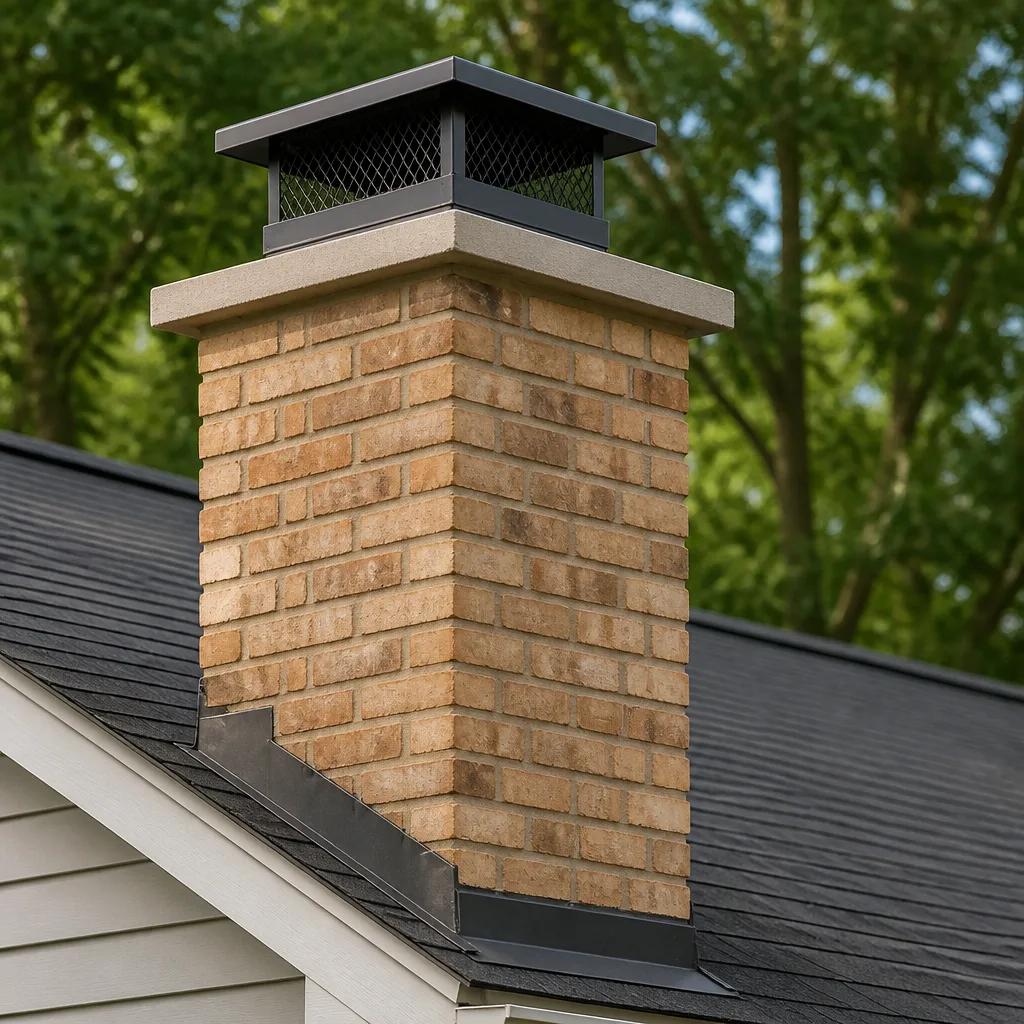
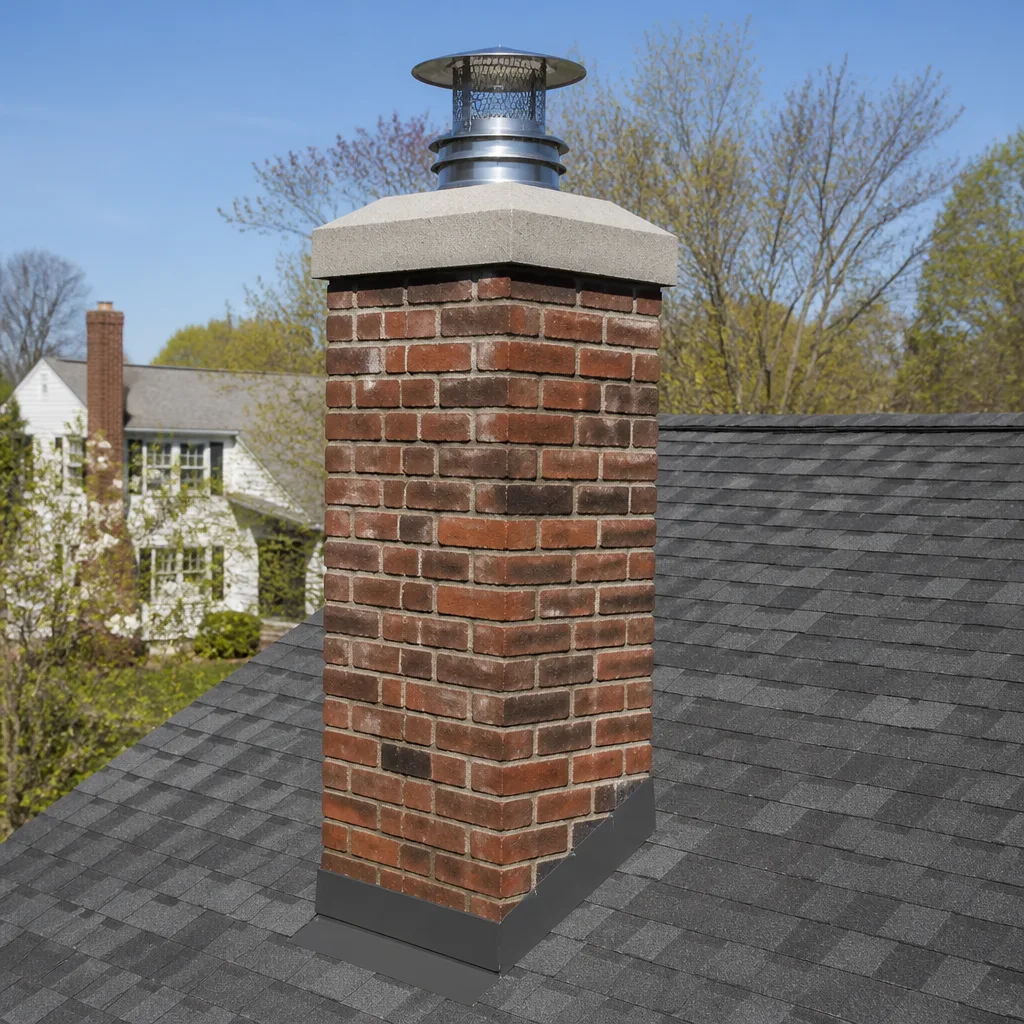
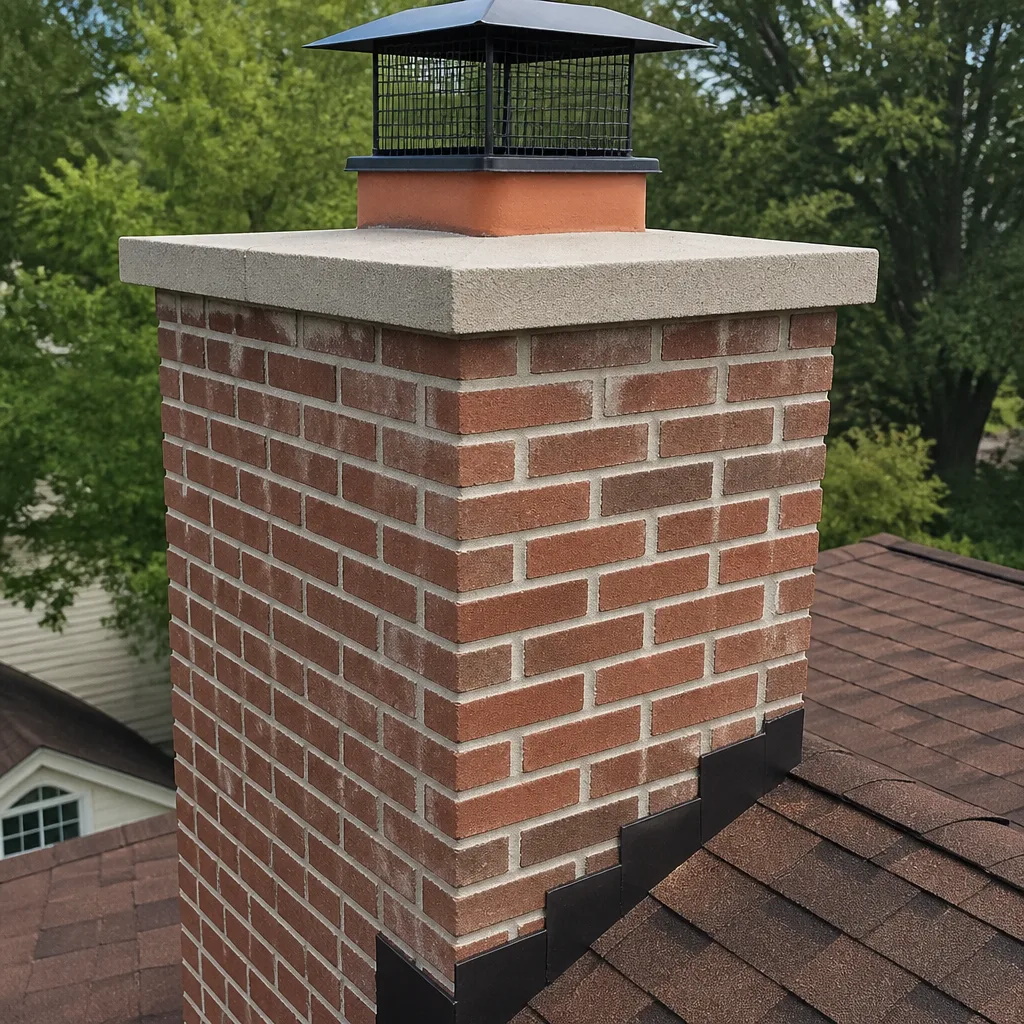
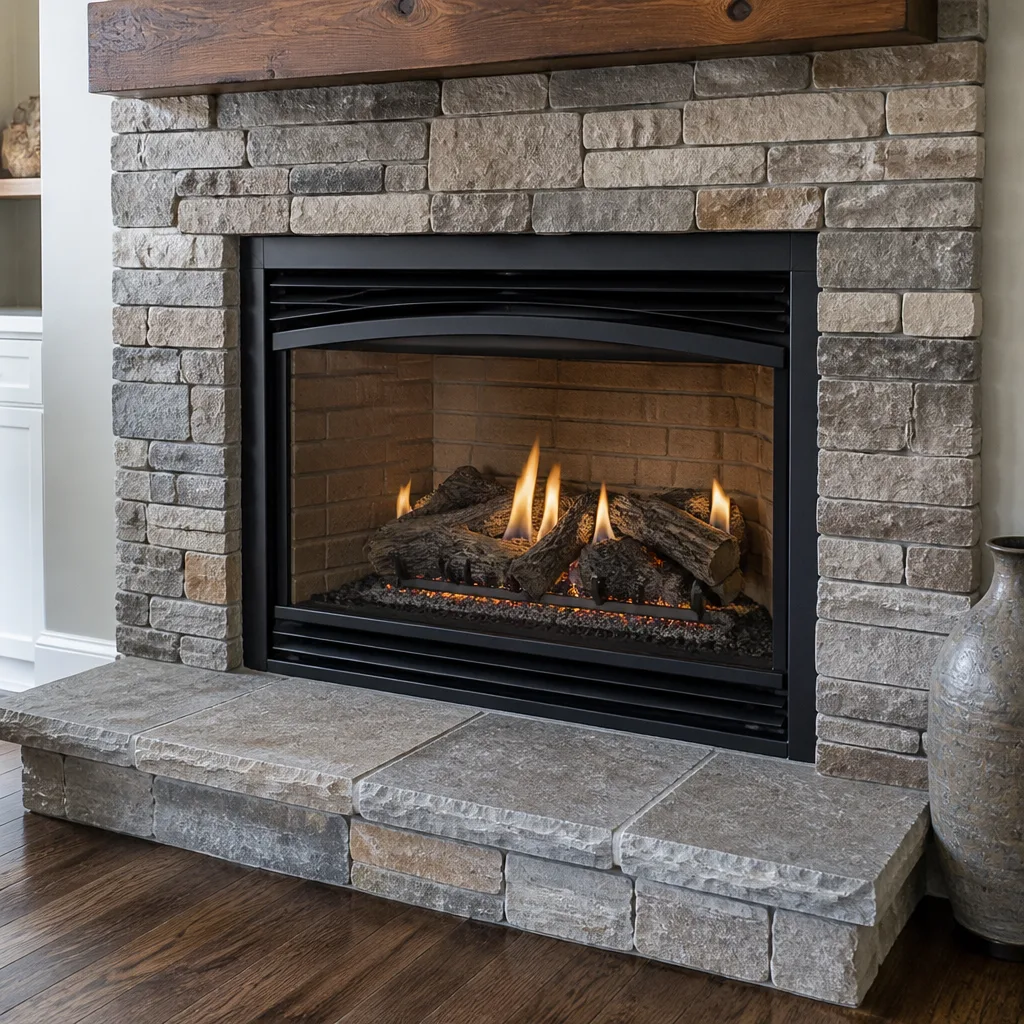
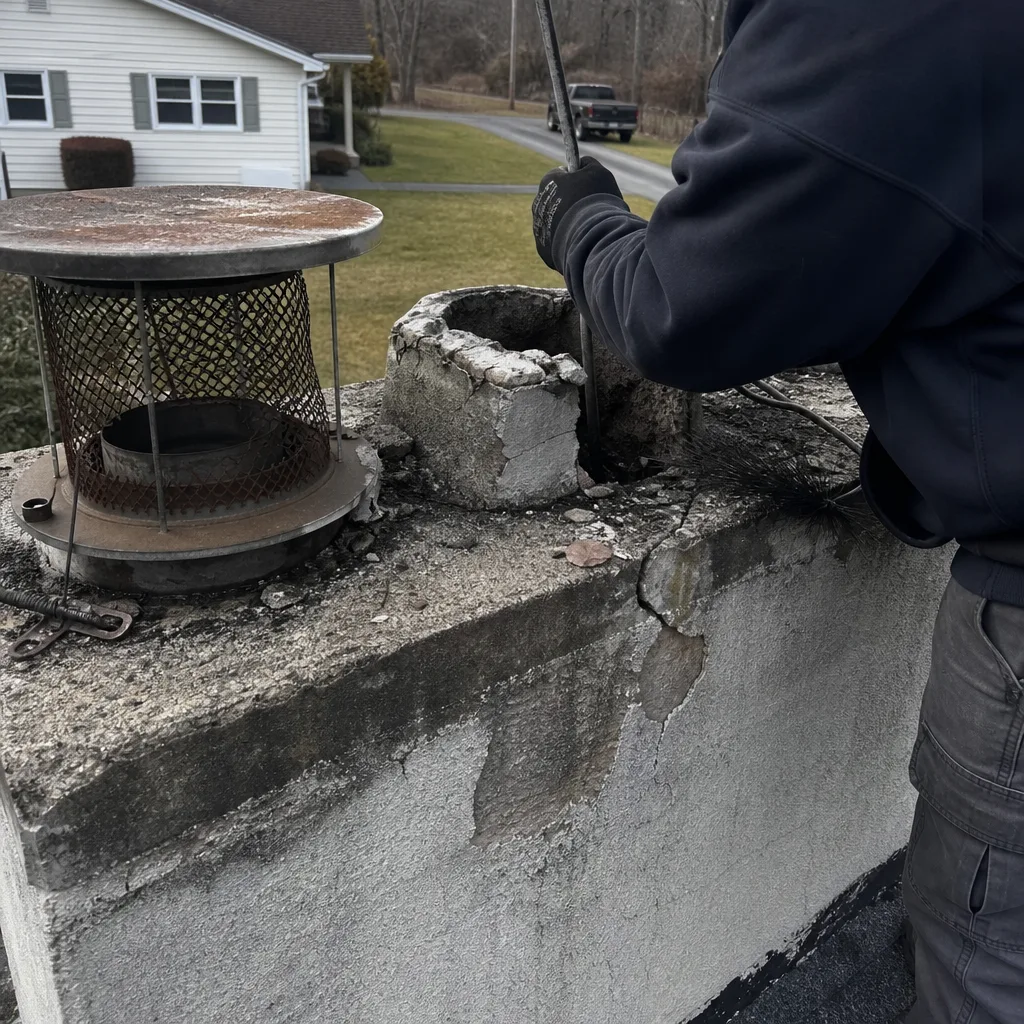 Before
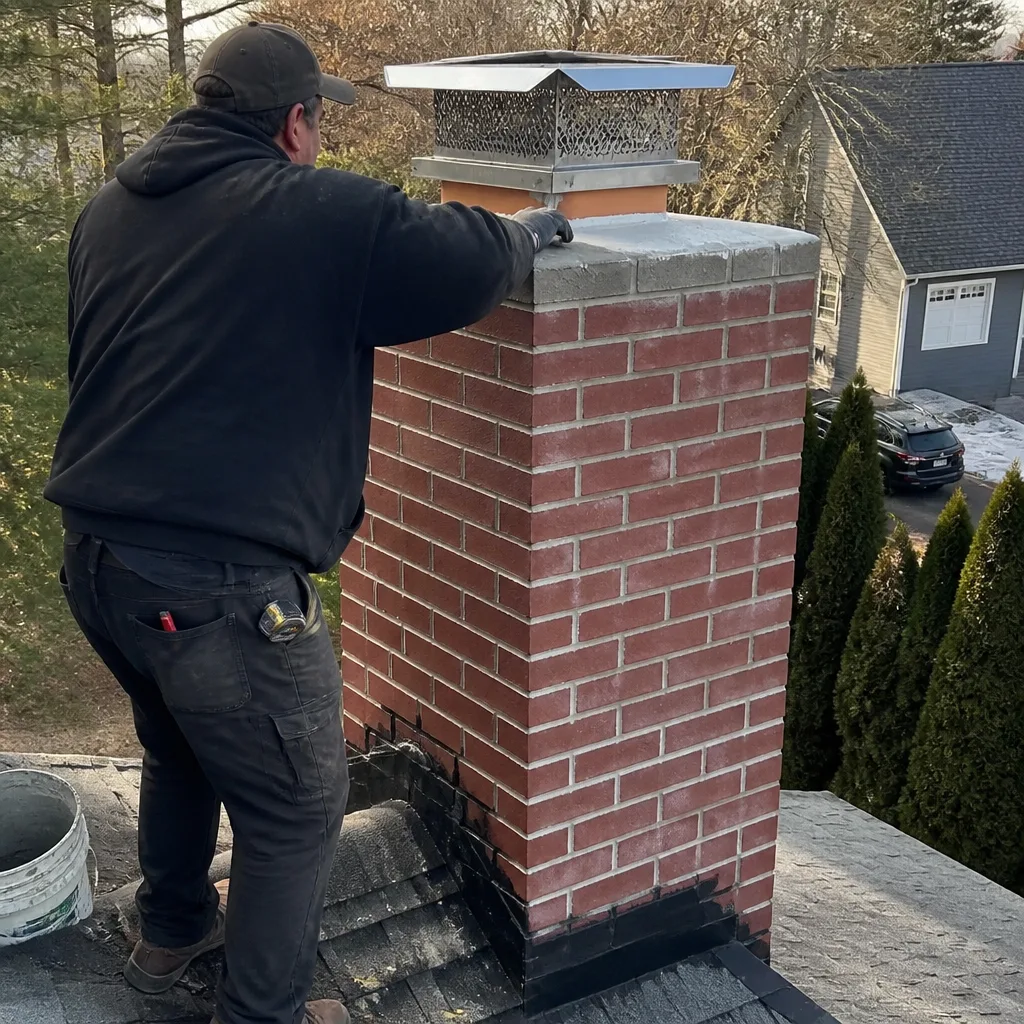 After
After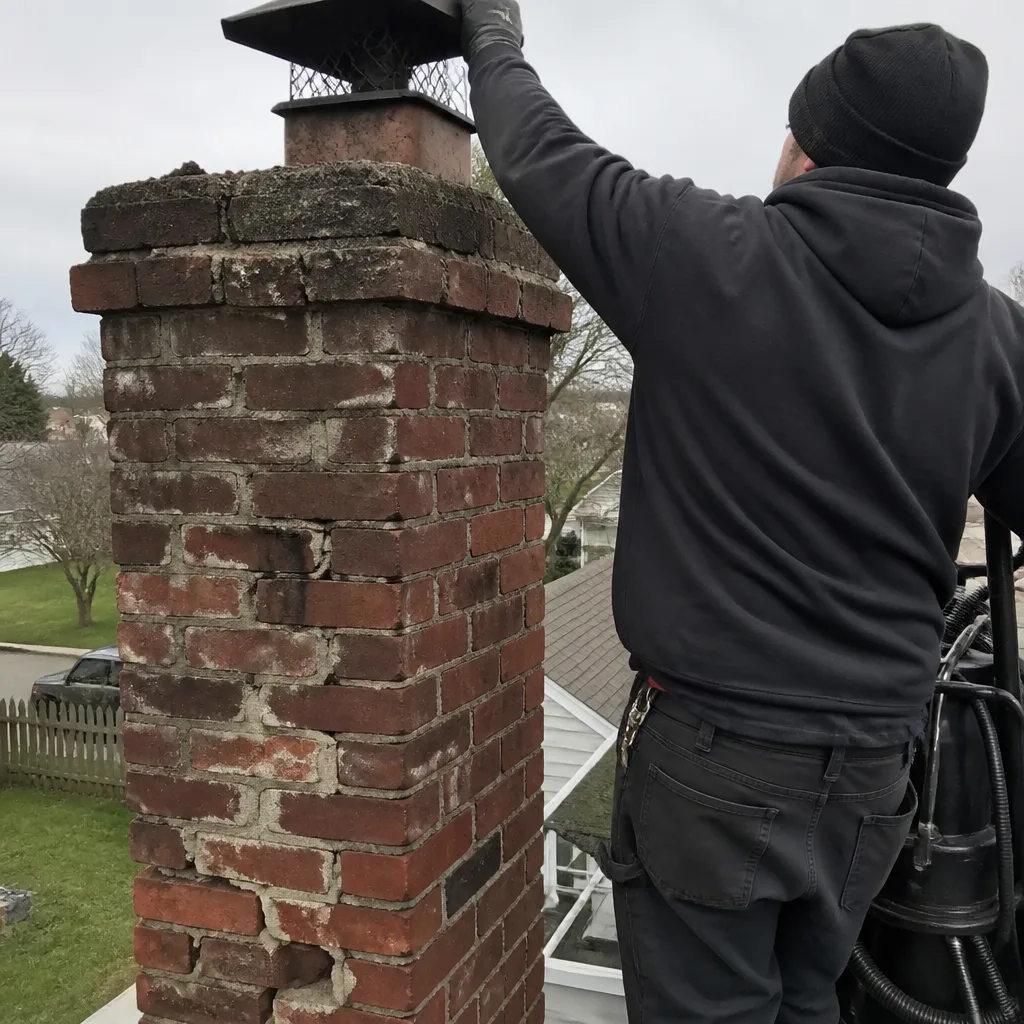 Before
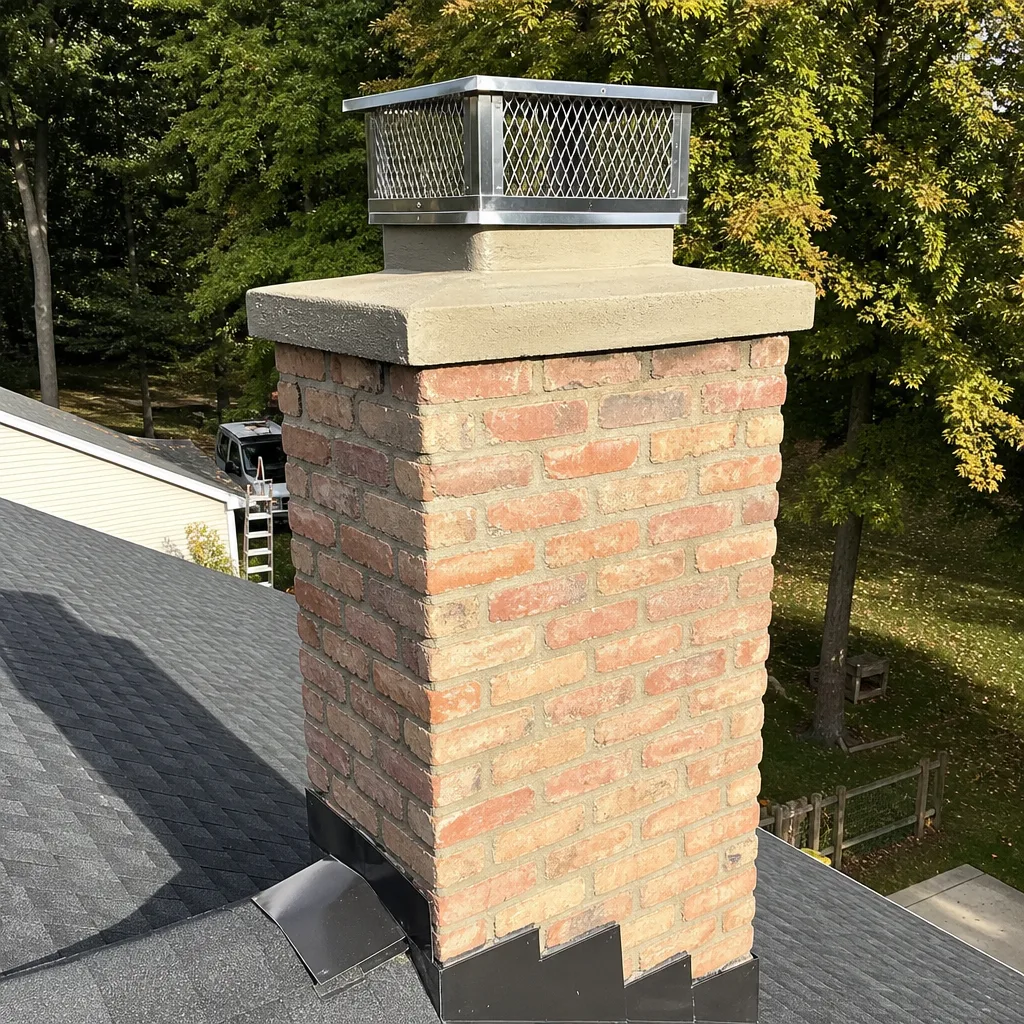 After
After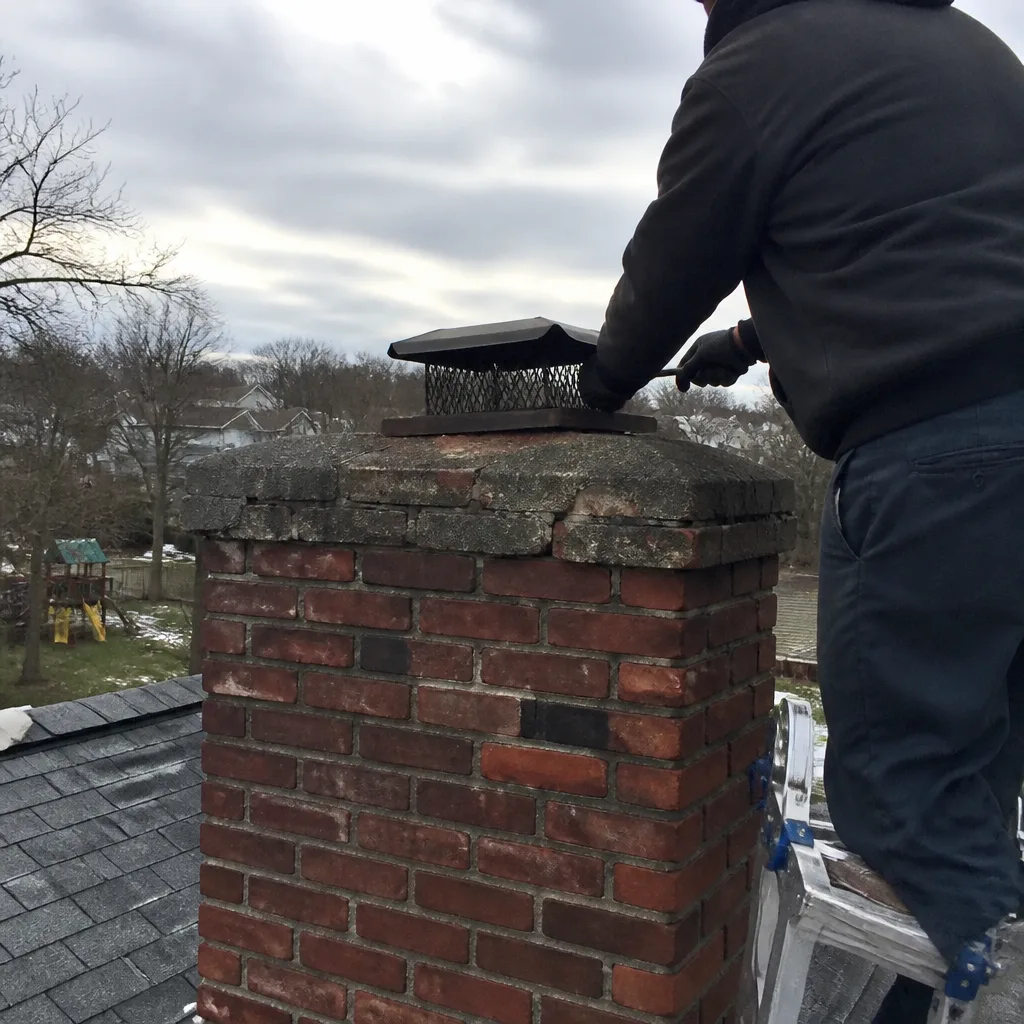 Before
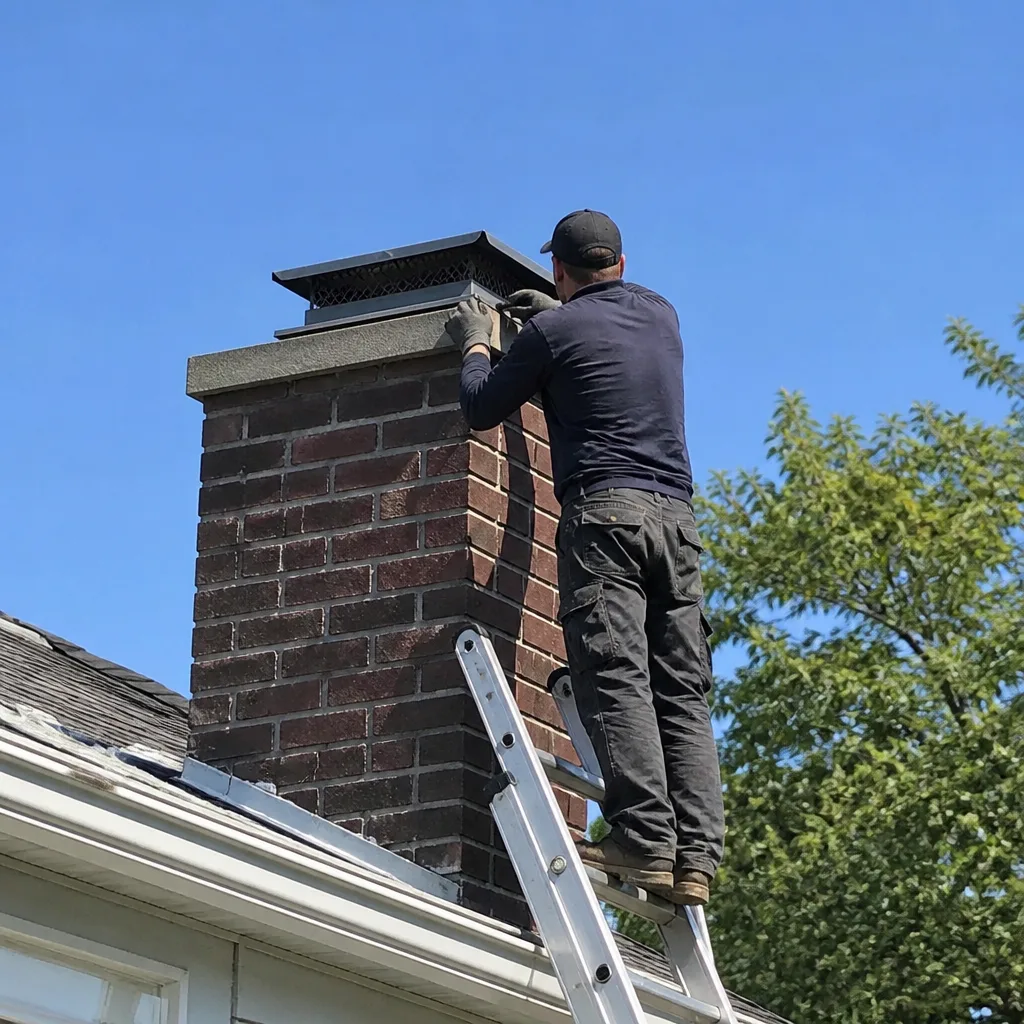 After
AfterThe Complete Guide to Chimney Cleaning in Easton
The CSIA reports that chimney fires cause over $125 million in property damage annually. The majority are preventable. Most start in chimneys that were “cleaned” without a proper inspection first. In Easton, where pre-war row houses in the West Ward share walls with newer construction on College Hill, this distinction matters more than homeowners realize. This guide explains what chimney cleaning actually means on the streets of Easton - not in theory, but in the specific brick, mortar, and flue conditions created by our Delaware River Valley climate and our mix of housing ages. For more guides & resources, visit our blog.
Quick Answer
Chimney cleaning in Easton, PA is a professional service that removes creosote buildup, obstructions, and debris from your flue system, paired with a camera inspection to document the condition of your liner, crown, and masonry - a process we detail in our DIY vs Professional Chimney Cleaning guide for Easton homeowners. Because Easton’s older housing stock and humid river-valley climate accelerate deterioration, a legitimate cleaning here includes a Level 2 camera inspection with photo documentation - not just a brush run through the flue. Expect the process to take 60-90 minutes for a standard fireplace, with costs typically ranging from $150-$350 depending on accessibility and condition.
Table of Contents
- What Chimney Cleaning Actually Includes (And What It Doesn’t)
- Why Easton’s Older Housing Stock Creates Unique Chimney Problems
- How Delaware River Humidity Accelerates Chimney Deterioration
- Level 1, Level 2, and Level 3 Inspections: Which One Do You Need?
- What a Legitimate Chimney Cleaning Appointment Looks Like From Start to Finish
- How to Read a Post-Cleaning Report and Photo Documentation
- Chimney Cleaning Costs in Easton: What to Budget
- How Often Should Easton Homeowners Clean Their Chimneys?
What Chimney Cleaning Actually Includes (And What It Doesn’t)
A proper chimney cleaning is not a quick brush-and-vacuum operation. In our 42 years serving the Easton area, we’ve seen too many homeowners pay for a “sweep” that left dangerous conditions untouched because the technician never looked past the smoke chamber.
Here’s what a complete chimney cleaning includes:
- Pre-inspection of the firebox and damper. We check for cracked refractory panels, damaged damper blades, and proper clearances before any work begins. In Easton’s older homes, we often find dampers frozen open or shut from decades of rust.
- Setup of protective coverings. Drop cloths, HEPA vacuums, and sealed work zones to protect your floors and air quality. This is non-negotiable - if a sweep doesn’t protect your space, they’re not finished with their training.
- Mechanical brushing of the flue. Poly or wire brushes sized to your flue diameter, rotated with a power driver or by hand depending on liner material. For clay tile flues common in pre-1950 Easton homes, we use softer poly brushes to avoid tile damage. For stainless steel liners, wire brushes remove glazed creosote effectively.
- Smoke chamber and firebox cleaning. The smoke chamber - the area above the damper - is where many chimney fires start. We hand-scrape this area and remove all accessible creosote.
- Debris and obstruction removal. Bird nests, squirrel caches, and fallen masonry are common in Easton chimneys, especially where trees overhang roofs in the College Hill and Downtown historic districts.
- Level 2 camera inspection. A high-resolution camera is run the full length of the flue. We photograph every joint, every crack, every area of spalling or missing mortar. You see what we see.
- Plain-English report with photos. Not a checklist with checkmarks - actual photographs with annotations explaining what you’re looking at and what it means for safety and function.
What it does not include: a verbal “looks good” with no documentation, a 20-minute in-and-out job, or a sales pitch for unnecessary repairs without photographic evidence. If your last sweep was faster than your oil change, you didn’t get a cleaning - you got a brush run through a flue.
At Hearthstone Chimney Co., our chimney cleaning and sweep service in Easton follows this full protocol on every visit. No shortcuts. The 90-Day Done Right Promise applies to every job - in writing, no arguing.
Why Easton’s Older Housing Stock Creates Unique Chimney Problems
Easton’s housing stock tells a story of industrial growth, immigration, and architectural variety that creates specific chimney conditions you won’t find in a generic guide.
The West Ward and Southside neighborhoods contain thousands of pre-1950 row houses and twins built for Bethlehem Steel and Dixie Cup workers. These homes share common structural patterns that affect chimney performance:
- Unlined or partially lined flues. Many were built with brick-only chimneys, no clay tile liner. Combustion gases have been eating the mortar joints for 80-100 years. When we camera-inspect these flues, we often find mortar joints eroded to powder and gaps between bricks that allow heat and gases to escape into wall cavities.
- Offset flues and narrow chimneys. Row house construction often required chimney offsets to clear floor joists or adjacent structures. These offsets collect creosote at the turns and are nearly impossible to clean properly without rotary power equipment and camera guidance.
- Shared chimney walls. In attached housing, your chimney may share a wall with your neighbor’s. A breach in the flue can vent into their home, or vice versa. We’ve documented cases in the West Ward where a deteriorating shared chimney created a carbon monoxide pathway between units.
- Original clay liners now cracked and shifted. Where clay tile liners were installed, decades of thermal cycling have caused tiles to crack, shift, or fall. A standard brush cleaning can actually dislodge loose tiles and create a blockage.
The College Hill and Northampton Street historic districts present different challenges: larger homes with multiple fireplaces, often converted from coal to wood or gas, with flues that may be oversized for modern appliances. Oversized flues cause poor draft, condensation, and accelerated creosote buildup.
Newer construction in Palmer Township and Wilson Borough areas brings its own issues: factory-built metal chimneys with specific cleaning requirements, and gas fireplace inserts installed in original fireplaces without proper liner sizing.
In our experience, Easton homeowners need a sweep who understands which era of construction they’re walking into before they set foot on the roof - which is why we published How to Hire a Chimney Cleaning Contractor in Easton: A Step-by-Step Guide. Russell Haines has been training our technicians to read a house’s age and style the way a carpenter reads grain - it’s part of how we avoid surprises and protect your home.
How Delaware River Humidity Accelerates Chimney Deterioration
Easton sits at the confluence of the Delaware and Lehigh Rivers, and this geography creates a humidity profile that directly affects chimney longevity. The river valleys trap moisture, and the freeze-thaw cycles of Pennsylvania winters exploit every weakness in masonry.
Here’s the mechanism: warm, moist air from the rivers rises and penetrates porous brick and mortar. In winter, this moisture freezes and expands, spalling (flaking) the brick face and eroding mortar joints. By spring, the chimney has lost structural integrity in ways a simple brushing cannot address.
Specific conditions we document regularly in Easton:
- Crown deterioration. The concrete crown at the top of the chimney is your first defense against water. In Easton, we see crowns cracked and crumbling within 10-15 years due to freeze-thaw cycling - far faster than in drier inland climates. A compromised crown allows water directly into the chimney structure.
- Flue gas condensation. High humidity reduces draft efficiency, especially in oversized flues. Incomplete combustion and cooler flue temperatures create more creosote, and more acidic condensation that attacks metal liners and mortar alike.
- Exterior staining and efflorescence. White powder on brick faces indicates water moving through the masonry, dissolving salts, and depositing them on the surface. It’s a warning sign that water is getting in, and freeze-thaw damage is accelerating.
- Interior spalling in unused chimneys. Homeowners who don’t burn regularly assume their chimney is “resting.” In humid conditions, an unused flue actually accumulates more moisture-related damage because there’s no drying heat from fires. We’ve rebuilt crowns on Easton chimneys that hadn’t been used in years but were structurally compromised by moisture alone.
The implication for cleaning schedules: Easton chimneys need more frequent inspection than the national “once a year if you burn” standard suggests. Even occasional burners should have annual camera inspections to catch moisture damage before it becomes a structural rebuild. Our chimney repair services in Easton address these humidity-specific failures with materials selected for our climate - including crown rebuilds with proper slope and overhang, and waterproofing treatments that allow the masonry to breathe while repelling liquid water.
Level 1, Level 2, and Level 3 Inspections: Which One Do You Need?
The National Fire Protection Association (NFPA) defines three levels of chimney inspection. Understanding the difference protects you from paying for too little - or too much.
Level 1 Inspection
A visual examination of readily accessible portions of the chimney exterior and interior, plus the appliance and connection. No tools, no camera, no roof work required. Appropriate only when:
- The chimney and appliance have not changed
- You’ve been burning the same fuel on the same schedule
- No performance problems exist
- No events (chimney fire, earthquake, major storm) have occurred
In Easton, a Level 1 is rarely sufficient. The age of our housing stock and the humidity exposure mean conditions change year to year even with consistent use.
Level 2 Inspection
A camera inspection of the full flue length, plus accessible portions of the chimney exterior and attic. Required when:
- Any change to the system (new appliance, new liner, new fuel type)
- Sale or transfer of property
- After a chimney fire or significant weather event
- When performance problems are reported
This is the standard we perform with every cleaning at Hearthstone. The camera reveals what eyes cannot: cracked tiles, missing mortar, creosote glazing, animal intrusion, and liner displacement. In Easton’s pre-war housing, we find actionable conditions in roughly 40% of Level 2 inspections - conditions that a Level 1 would have missed entirely.
Level 3 Inspection
An invasive inspection that may require removal of chimney components, drywall, or structural elements to access concealed areas. Indicated only when:
- A Level 1 or 2 inspection suggests a hidden hazard
- There has been a building fire with suspected chimney involvement
- Structural integrity is in question
Level 3 inspections are uncommon but necessary when we find evidence of pyrolysis (heat damage to adjacent combustibles) or suspected breaches in concealed flue sections. In Easton row houses with shared chimney walls, we’ve conducted Level 3 inspections that revealed dangerous conditions threatening multiple units.
Our recommendation for Easton homeowners: Insist on a Level 2 camera inspection with every cleaning. The additional time and modest additional cost are insignificant compared to the information gained - or the hazard missed. Russell Haines has made this our standard because he’s seen what “looks fine from below” actually looks like from inside the flue.
What a Legitimate Chimney Cleaning Appointment Looks Like From Start to Finish
Knowing what should happen protects you from what shouldn’t. Here’s the complete sequence of a proper appointment, with timing and what to watch for.
Before Arrival
You’ll receive a confirmation call or text with a scheduled arrival window. Our live person answers every call 24/7 - you’ll never reach voicemail when you contact Hearthstone. We ask about your appliance type, fuel, frequency of use, and any known issues. This lets us arrive with the correct equipment and expectations.
Arrival and Setup (10-15 minutes)
The technician arrives in a marked vehicle, in uniform, with photo ID. Background-checked, every one of them. They lay protective coverings from the door to the work area, set up HEPA vacuums, and inspect the firebox and damper before any cleaning begins. They should ask about your burning habits and any changes since last service.
Red flags: No drop cloths, no vacuum, rush to start brushing, no questions about your system.
Cleaning Process (30-60 minutes)
Mechanical brushing of the full flue length, hand-scraping of the smoke chamber, and debris removal. For masonry chimneys in Easton’s older homes, we use poly brushes on clay tile to avoid damage. For stainless steel liners, wire brushes and rotary equipment remove glazed creosote. The technician should communicate what they’re finding as they work - unusual creosote buildup, obstructions, or damage.
Camera Inspection (15-20 minutes)
This is where documentation happens. The camera runs the full flue length, slow and methodical. The technician narrates what they see and captures still images of every joint, transition, and anomaly. You should be invited to view the live feed. If you’re not offered this, ask - or call someone else next time.
Report and Verdict (10-15 minutes)
The technician presents photographs with plain-English explanations. Not “you need a liner” - “Here’s the crack at the third tile joint, here’s how wide it is, here’s what happens if combustion gases escape here, and here are your options with costs.” No pressure, no urgency tactics. Photos you can see, a plain-English verdict.
Documentation and Scheduling (5 minutes)
You receive a written report with photos, any recommendations with pricing, and our 90-Day Done Right Promise in writing. If repairs are needed, we schedule them or provide a timeline for when they can safely wait. Most jobs are completed in a single visit; if follow-up is needed, we explain why and when.
Total time: 60-90 minutes for a standard cleaning and inspection. A 30-minute appointment is a warning sign. A “sweep” that doesn’t include camera documentation is incomplete by our standard - and by the standard your home deserves.
Our fireplace services in Easton follow this same protocol, whether we’re cleaning a wood-burning fireplace, servicing a gas insert, or inspecting a pellet stove installation.
How to Read a Post-Cleaning Report and Photo Documentation
A photo-documented report is only useful if you understand what you’re seeing. Here’s how to read the key elements.
Flue Condition Images
Look for consistent tile or liner color. Dark staining is normal; shiny, tar-like glazing is creosote that wasn’t fully removed and indicates a need for more aggressive treatment or burning habit changes. Cracks appear as hairlines or wider separations - any crack that reaches the edge of a tile or runs through multiple tiles requires attention.
Mortar Joint Views
Between clay tiles, you should see intact mortar. Missing or powdery mortar creates gaps where gases and sparks can escape. In Easton’s unlined chimneys, we photograph the brick directly - look for eroded, sandy surfaces rather than solid brick.
Crown and Cap Images (Exterior)
The crown should appear as a solid concrete cap with a slight slope away from the flue opening. Cracks, spalling, or pooling areas indicate water intrusion. The cap should cover the flue with proper screen mesh - no gaps large enough for animals, no rust holes, no missing fasteners.
Smoke Chamber Photos
This area above the damper is often the most revealing. Look for smooth, sealed surfaces. Rough, corbelled brick with gaps and creosote accumulation is a fire risk. Parging (smoothing with refractory mortar) may be recommended - we use HeatShield materials for this repair when conditions warrant.
What the Verdict Should Tell You
A legitimate report ranks conditions by urgency:
- Immediate safety concern: Conditions that create imminent fire or CO risk. These require action before next use.
- Recommended repair: Conditions that will worsen and create safety issues if unaddressed. Timeline provided.
- Monitor: Conditions to track during future inspections. No immediate action, but not ignored.
- Normal wear: Expected conditions for age and use. No action needed.
The report should specify what work can safely wait and what cannot. At Hearthstone, we believe in plain honesty - some conditions need immediate attention, others can be scheduled at your convenience, and some need only annual monitoring. No scare tactics, no manufactured urgency. A square deal: no surprises on the bill, no surprises in the flue.
If your last report was a checklist with checkmarks and no photos, you received documentation for the technician’s liability, not for your understanding. Demand better. Your home is worth the clarity.
Chimney Cleaning Costs in Easton: What to Budget
Pricing transparency matters. Here’s what chimney cleaning costs in the Easton market, with factors that affect your specific price.
| Service | Typical Range in Easton | What Affects Price |
|---|---|---|
| Standard chimney cleaning + Level 1 inspection | $150 – $250 | Accessibility, number of flues, amount of creosote |
| Chimney cleaning + Level 2 camera inspection | $225 – $350 | Flue length, liner type, condition severity |
| Heavy creosote removal (glazed/Stage 3) | $350 – $550 | Chemical treatment time, multiple passes, equipment |
| Gas fireplace cleaning and inspection | $175 – $275 | Insert type, vent configuration, log set condition |
| Chimney cap or crown repair | $300 – $800 | Material, height/access difficulty, extent of damage |
| Stainless steel liner installation | $2,500 – $4,500 | Flue length, diameter, appliance type, brand |
Factors that increase cost in Easton specifically:
- Row house access. Shared walls, narrow passages, and limited staging areas can add labor time.
- Height and roof pitch. College Hill homes with steep pitches or three-story construction require additional safety equipment.
- Unlined flues. Require more careful cleaning and often reveal need for liner installation.
- Animal removal. Active nests or deceased animals require specialized handling and protective equipment.
At Hearthstone, we provide no-hassle upfront pricing - the number on the estimate is the number on the invoice. No hidden charges for “extra creosote” or “unexpected conditions” discovered after work begins. If we find something that changes the scope, we stop, explain, and get your approval before proceeding.
Current offers: $89 Seasonal Tune-Up (limited availability), $50 off any repair over $250, free second opinion on any written estimate, and a permanent 5% senior and veteran discount. Call (610) 756-1504 for exact pricing for your specific chimney.
How Often Should Easton Homeowners Clean Their Chimneys?
The NFPA standard is annual inspection, with cleaning “as needed.” In Easton, we recommend a more specific schedule based on what we’ve observed in local conditions.
For Wood-Burning Fireplaces and Stoves
Annual Level 2 inspection with cleaning. If you burn more than three cords of wood per season, consider mid-season inspection. The hardwoods common in Pennsylvania (oak, maple, hickory) burn cleaner than softwoods, but any wood burning produces creosote. The critical factor is not wood type but burning practice: restricted air, wet wood, and smoldering fires create glazed creosote regardless of species.
For Gas Fireplaces and Inserts
Annual inspection, with cleaning every 1-2 years depending on use. Gas burns clean but produces acidic condensation that attacks liners and mortar. Venting systems can become obstructed by debris or animal nests. In Easton’s humid climate, we’ve found significant corrosion in gas flues that appeared “clean” from below.
For Pellet Stoves
Professional inspection annually, with homeowner maintenance of the burn pot and ash removal per manufacturer schedule. Pellet venting systems have specific cleaning requirements - compressed ash can block vents and create backdraft conditions.
For Oil and Gas Furnace Flues
Often overlooked, these require annual inspection. Sulfur in fuel oil produces highly corrosive condensation. We’ve replaced furnace flues in Easton homes where corrosion had created holes large enough to vent carbon monoxide into basements and living spaces.
Special Circumstances Requiring Immediate Inspection
- After any chimney fire, however small
- After earthquake, lightning strike, or major wind event
- When purchasing a home - always insist on Level 2 inspection
- When changing appliances or fuel types
- If you smell smoke in rooms other than where the fireplace is located
- If your carbon monoxide detector alarms
The bottom line for Easton: our river-valley humidity and freeze-thaw cycles mean chimneys deteriorate faster than national averages suggest. Annual professional inspection is not excessive - it’s prudent maintenance for a system that vents combustion gases through the structure of your home.
Common Mistakes to Avoid
- Hiring based on the lowest price alone. In Easton, we’ve corrected work from low-cost operators who brushed the visible flue but never inspected the smoke chamber, missed a cracked liner, or left the damper damaged. The cost of fixing their omissions exceeds what a proper job would have cost initially.
- Assuming “I don’t use it much” means “it’s fine.” Unused chimneys in humid climates accumulate moisture damage. We’ve rebuilt crowns and liners on Easton chimneys that hadn’t seen a fire in years but were structurally compromised by freeze-thaw cycling alone.
- Accepting a verbal report with no photos. A verbal “looks good” cannot be referenced, disputed, or verified. Insist on photo documentation - it’s your protection against both missed conditions and unnecessary sales pressure.
- Ignoring the smoke chamber. Many sweeps brush the flue and ignore this critical area above the damper. In Easton’s older homes with corbelled brick smoke chambers, this is where creosote accumulates most dangerously.
- DIY cleaning without proper equipment. Homeowner brushes are often improperly sized, can’t navigate offsets, and lack the camera inspection that reveals actual conditions. For the cost of proper equipment, you could pay a professional twice over - and still lack the expertise to interpret what you find.
- Delaying after a chimney fire. Even a small chimney fire causes thermal shock damage to liners and masonry. We’ve inspected Easton chimneys where homeowners “kept using it” after a known fire, only to discover cracked tiles and breached mortar that created ongoing fire and CO risks.
- Neglecting the exterior. Crown, cap, and flashing condition affect interior performance. Water intrusion destroys chimneys from the top down. Annual inspection must include the exterior - or you’re inspecting half the system.
When to Call a Professional
Call a certified chimney professional when you notice any of the following: smoke backing up into the room, a strong odor from the fireplace when not in use, visible creosote flakes in the firebox, white staining on exterior brick, a damaged or missing cap, or any change in draft performance. After any chimney fire or suspected fire, do not use the system until inspected.
If you’re buying a home in Easton, the standard home inspection does not include a Level 2 chimney inspection. Insist on one - we’ve found conditions that general inspectors missed, including active safety hazards that affected purchase negotiations.
Hearthstone Chimney Co. offers free estimates in Easton. A technician will inspect your system, explain what we find, and provide upfront pricing with no obligation. Call (610) 756-1504 to schedule. Calls are answered by a live person 24 hours a day, 7 days a week - not voicemail, not a callback queue.
Frequently Asked Questions
A professional chimney cleaning with Level 2 camera inspection in Easton typically costs between $225 and $350 for a standard fireplace. Heavy creosote removal, unlined flues, or difficult access may increase this. Gas fireplace cleaning runs $175-$275. We provide no-hassle upfront pricing - the estimate number is the invoice number. Call (610) 756-1504 for an exact quote; estimates are free.
You need a new liner when your existing liner is damaged, missing, or improperly sized for your appliance - and only when a camera inspection confirms this. In Easton’s pre-1950 housing, many chimneys were built without liners or have clay tiles now cracked by decades of thermal cycling. We use DuraFlex stainless steel liners and HeatShield cerfractory resurfacing, selected based on your specific flue condition and appliance type. Nothing is recommended without photo evidence you can see yourself. Some conditions require immediate action; others can be scheduled when convenient. We’ll tell you which is which.
Wood-burning systems need annual Level 2 inspection with cleaning as needed; gas systems need annual inspection with cleaning every 1-2 years. Easton’s humid river-valley climate and freeze-thaw cycles accelerate deterioration, so we don’t recommend extending beyond annual inspection regardless of use frequency. Even unused chimneys suffer moisture damage that inspection catches early.
Skipped maintenance allows creosote to accumulate to dangerous levels, increasing fire risk and reducing draft efficiency. In Easton’s older housing, it also means missing deterioration from humidity and freeze-thaw damage - conditions that progress from repairable to requiring rebuild. The cost difference between annual maintenance and major repair is typically 10:1 or greater. Carbon monoxide risk increases as liners crack and mortar erodes. Call (610) 756-1504 to schedule before burning season; estimates are free.
Practically nothing - both terms describe removing creosote and debris from the flue system. The critical distinction is not the term but what’s included: a proper service includes mechanical brushing, smoke chamber cleaning, and Level 2 camera inspection with photo documentation. A “sweep” that omits inspection is incomplete. At Hearthstone, we use the terms interchangeably because our protocol is the same regardless of what you call it.
We don’t recommend it. Proper chimney cleaning requires correctly sized brushes, rotary equipment for glazed creosote, and camera inspection to assess liner condition - equipment that costs more than professional service, plus expertise to interpret findings. More importantly, Easton’s older housing stock presents conditions (offset flues, unlined construction, shared chimney walls) that require professional assessment. For your safety, we recommend trained technicians for this work. Call (610) 756-1504 for a free estimate instead.
The Bottom Line
Chimney cleaning in Easton is not a commodity service - it’s location-specific maintenance that must account for our river-valley humidity, our mix of pre-war and modern construction, and the particular deterioration patterns each creates. A proper cleaning includes full flue brushing, smoke chamber attention, and Level 2 camera inspection with photo documentation you can understand and keep. Anything less leaves dangerous conditions undiscovered.
At Hearthstone Chimney Co., we’ve served this area for over 42 years with a simple standard: done right, and we stand behind it. The 90-Day Done Right Promise is in writing with no arguing. Our technicians are background-checked, uniformed, and trained to explain what they find the way a craftsman explains a repair - clear, plain, and certain. Photos you can see, a plain-English verdict. No surprises on the bill.
Return to the Hearthstone Chimney Co. home page for our full range of services, or call (610) 756-1504 to schedule your Easton chimney cleaning and inspection. A live person answers every call, 24 hours a day, 7 days a week.
Written by Russell Haines, Owner at Hearthstone Chimney Co., serving Easton since 2014.